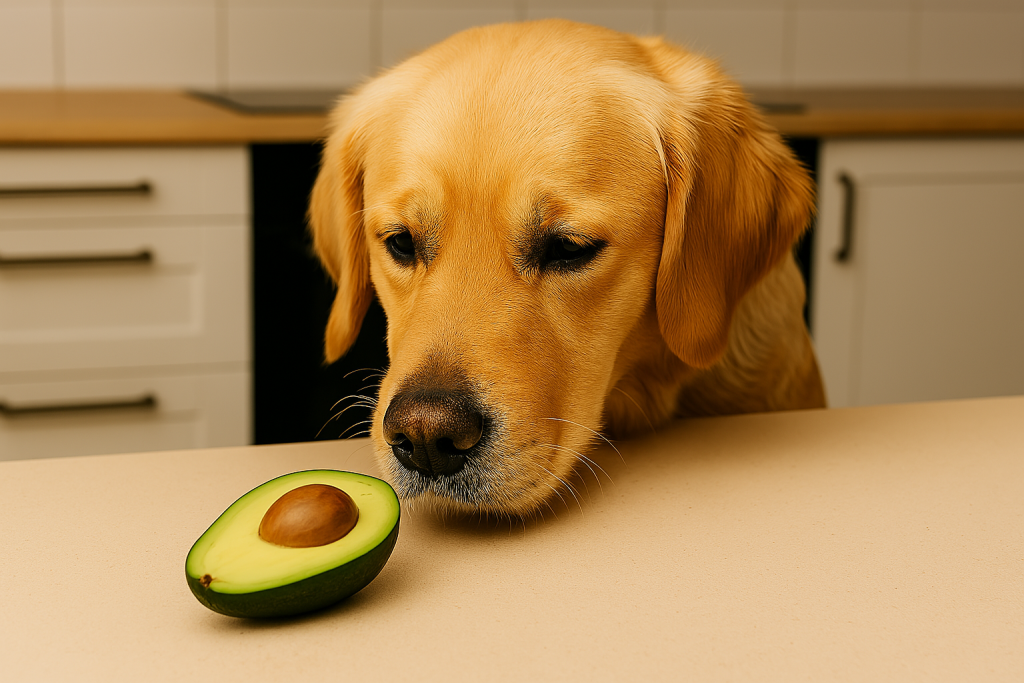
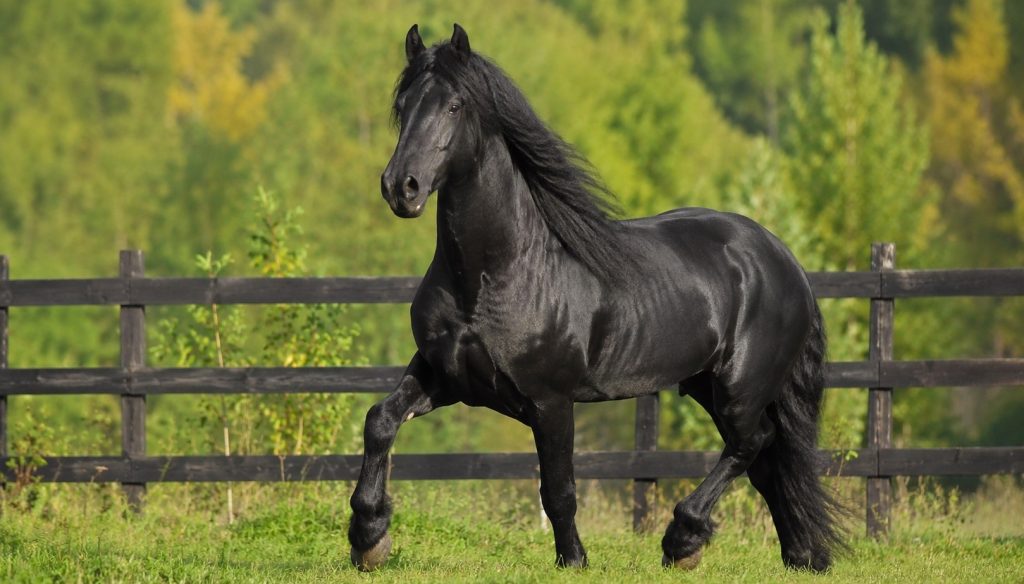
A stallion horse is an intact adult male horse, typically kept for breeding and work.
I have worked with horses for years and helped manage breeding farms and training stables. I will explain what is a stallion horse, how stallions differ from other horses, how to handle them safely, and how to manage their health and breeding. This guide blends hands-on advice, expert facts, and plain language so you can make smart choices about stallions.
What is a stallion horse?
A stallion is an adult male horse that has not been castrated. Stallions can breed and often show stronger sexual and social behaviors than geldings or mares. The term applies once a male horse reaches sexual maturity, usually around one to four years old depending on breed and management.
Key differences and terms:
- Colt: a young male horse under four years old.
- Stallion: an intact adult male horse able to breed.
- Gelding: a castrated male horse, usually calmer and easier to manage.
- Stud: a stallion used for breeding or the operation where breeding happens.
Why this matters:
- When you ask what is a stallion horse, you need to think about breeding, behavior, and care. Stallions require specific handling and facilities. They also carry value for bloodlines and sport.
PAA-style quick questions
Can a stallion ride and compete?
Yes. Many stallions ride and compete at top levels. Proper training and management keep them focused and safe.
How old before a colt becomes a stallion?
A colt is often called a stallion after reaching sexual maturity, usually by age four. Some are worked as stallions earlier in safe, controlled settings.
Are all male horses called stallions?
No. Only intact adult males are stallions. Young males are colts; castrated males are geldings.
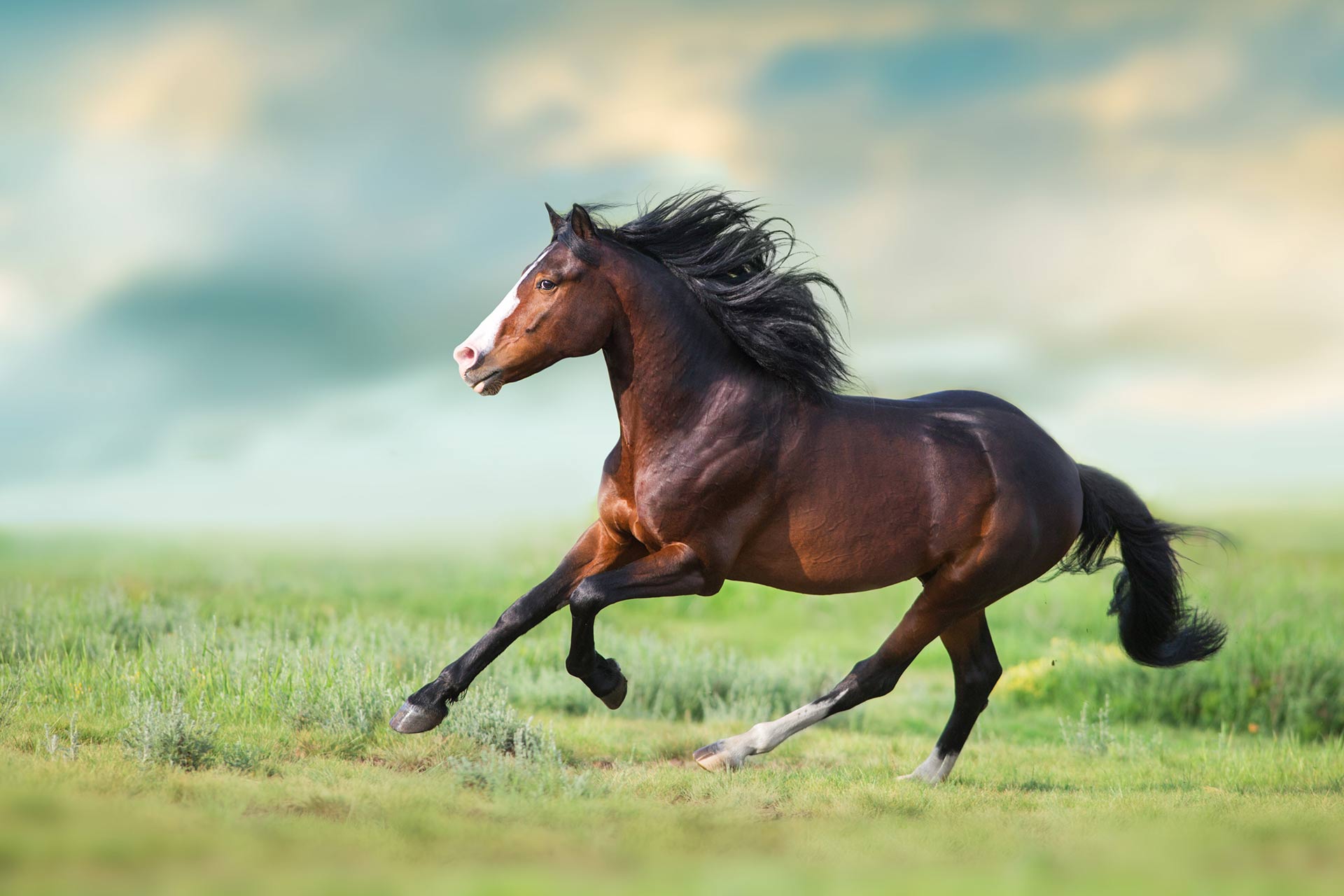
Source: bandaleroranch.com
Stallion anatomy and typical behavior
Stallions share core horse anatomy with added reproductive structures and hormone-driven traits. Knowing anatomy helps in safe care and breeding.
Anatomy highlights:
- Testes: produce sperm and testosterone.
- Penis and sheath: external reproductive parts; need cleaning.
- Secondary traits: thicker neck crests and more muscular frames are common in some breeds.
Behavioral traits:
- Higher drive to establish dominance and mate.
- May show aggression toward other stallions or threats.
- Can be more alert and reactive than geldings.
How hormones shape behavior:
- Testosterone influences drive, aggression, and territorial behavior.
- Behavior can vary by individual, breed, and training.
- Behavior control uses consistent handling, training, and management.
Practical safety tips:
- Use experienced handlers for breeding or stallion turnout.
- Provide separate turnout or small-group turnout with safe fencing.
- Never assume a calm stallion under all conditions; monitor during breeding and transport.
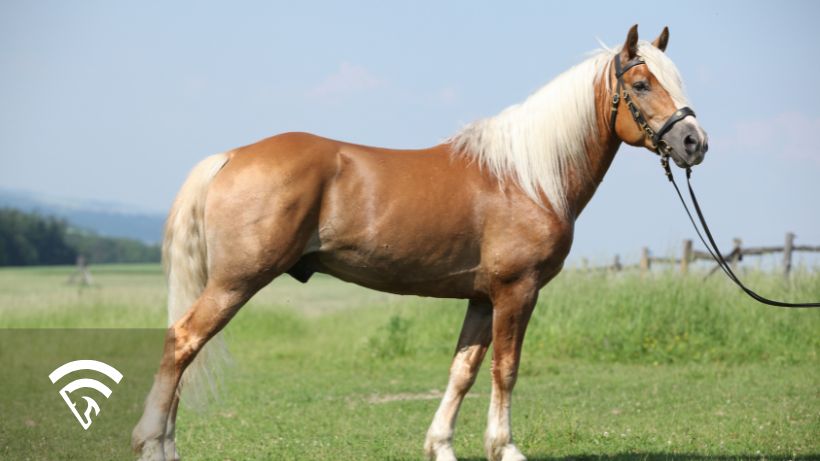
Source: equinedge.com
Reproductive role and breeding management
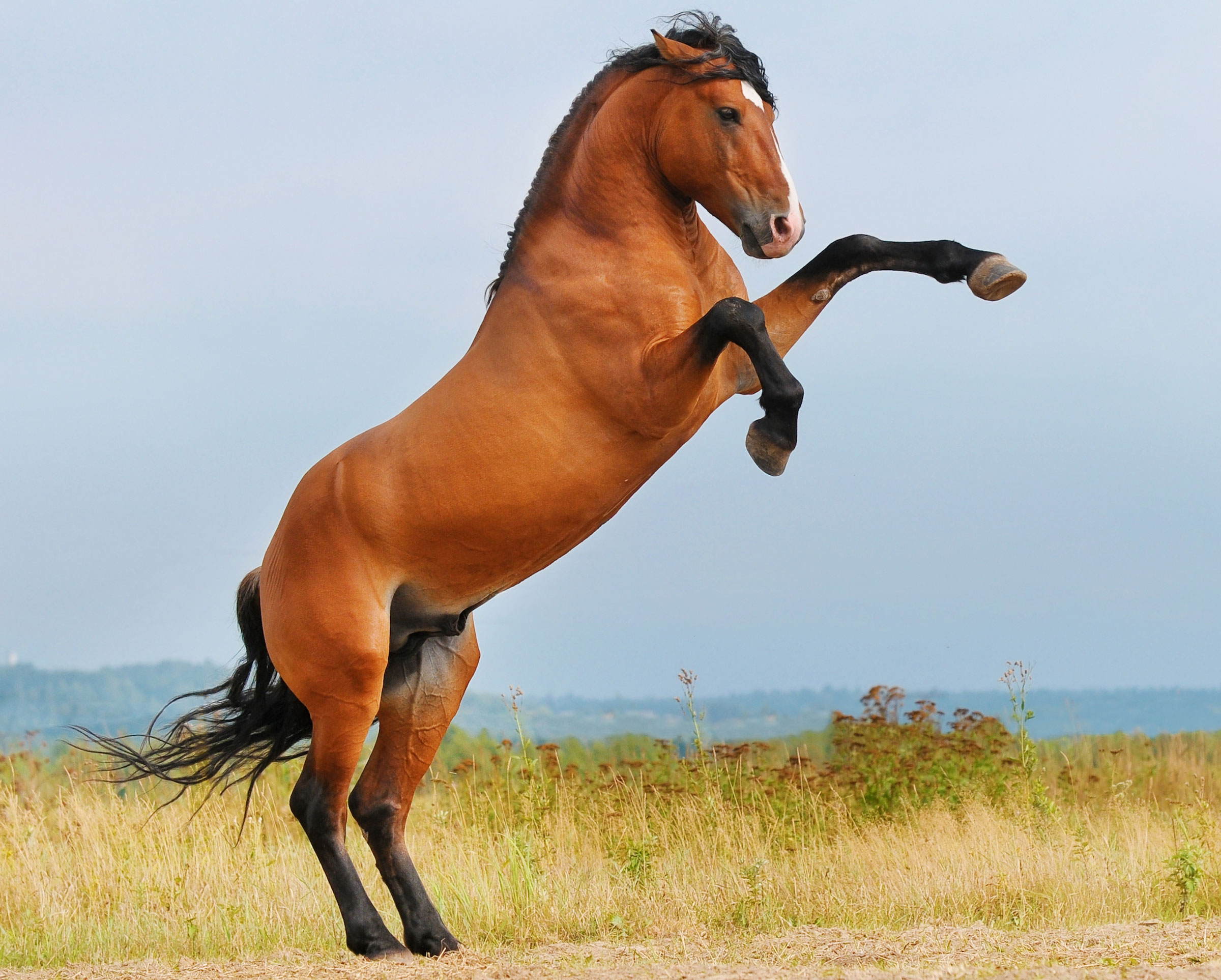
Understanding what is a stallion horse means understanding the stallion’s key role: passing genetics to the next generation. Breeding involves more than letting two horses mate.
Common breeding methods:
- Live cover: direct mating, required by some breed registries.
- Artificial insemination (AI): collected semen is used to inseminate a mare off-site.
- Fresh-chilled or frozen semen: extends use of stallion semen across distances and time.
Breeding management steps:
- Health check and fertility testing.
- Vaccination and disease screening.
- Semen evaluation and handling.
- Stud contracts and breeding records.
Fertility and genetics:
- Regular semen analysis shows sperm count, motility, and morphology.
- Genetic testing helps avoid inherited disorders and select traits.
- Good nutrition and vet care support fertility.
Legal and record-keeping notes:
- Keep clear records for ownership and offspring registration.
- Use written stud contracts to protect both parties.
Source: stablemanagement.com
Training and riding stallions
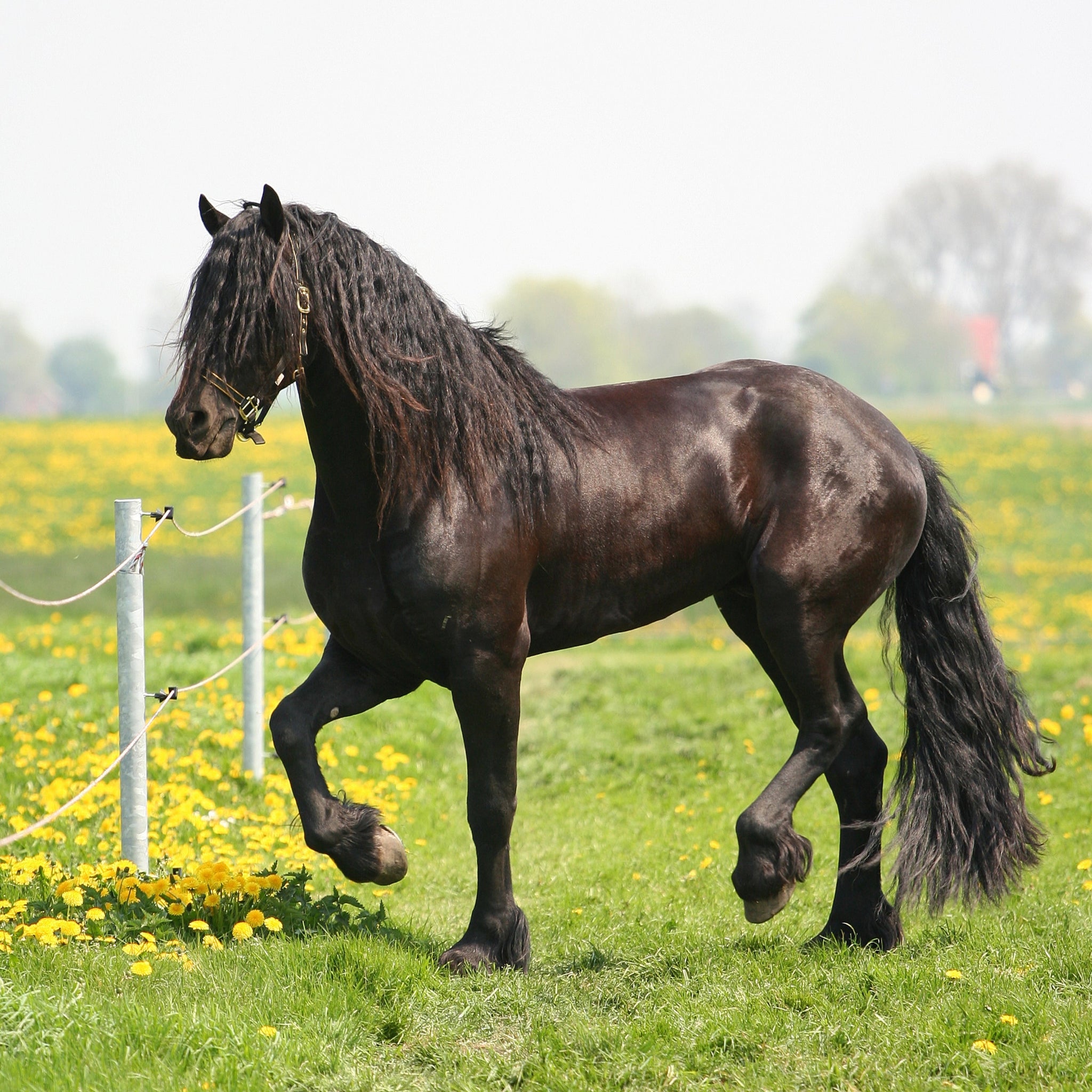
Many riders assume stallions are unmanageable. With good training, stallions perform well in sport, work, and pleasure.
Training principles:
- Start with early, consistent groundwork.
- Use firm, fair handling and clear cues.
- Keep training sessions short and focused.
Competition and show rules:
- Some competitions allow stallions only with proper paperwork or handling rules.
- Traveling with a stallion often needs special trailer plans and secure ties.
Handling tips:
- Use experienced handlers for in-hand work and breeding.
- Avoid chaotic group turnout with mixed sexes when possible.
- Reward calm, correct behavior; correct unwanted behavior promptly.
Safety gear:
- Use quick-release knots and secure stallion-safe ties.
- Wear gloves and protective boots when working near feet.
- Consider a stallion chain lead only if trained handlers use it.
Source: wildjolie.com
Health, care, and daily management
Caring for a stallion horse covers basic horse care plus extra steps for reproductive health and behavior control.
Daily care checklist:
- Balanced feed for activity and breeding needs.
- Clean water and daily turnout when safe.
- Regular grooming to inspect skin and sheath.
Reproductive health care:
- Sheath cleaning every few months or as needed.
- Testicular exams and scrotal checks at vet visits.
- Semen tests with planned breeding cycles.
Vet care and preventive measures:
- Regular vaccinations and deworming.
- Dental checks twice a year for riding and breeding performance.
- Lameness exams if performance drops.
Housing and social needs:
- Stallions may prefer individual stalls with visual contact.
- Paddock safety is essential; use strong fencing and no loose wires.
- Introduce other horses slowly and under supervision.
Legal and ethical considerations
Owning and breeding a stallion carries legal and moral duties. Understand contracts, liability, and welfare.
Key legal points:
- Liability for injuries caused by a stallion can fall to the owner.
- Breeding contracts should define fees, live foal guarantees, and care.
- Registration rules vary by registry and can restrict breeding methods.
Ethical care:
- Avoid over-breeding a stallion to protect health and genetics.
- Use genetic testing responsibly.
- Prioritize welfare over profit.
Transparency and record-keeping:
- Keep full health and breeding records.
- Share accurate pedigrees and health status with buyers and breeders.
- Disclose known genetic risks.
Personal experience and practical tips
I have managed stallions on small farms and larger studs. I learned lessons that saved time and kept horses safe.
What worked well:
- Clear routines cut stress. Stallions respond to predictability.
- Small consistent turnout time reduced aggression.
- Good vet partnerships prevented breeding setbacks.
Mistakes to avoid:
- Don’t mix unfamiliar stallions without barriers.
- Don’t skip semen checks before booking mares.
- Don’t assume a quiet stallion needs no training.
Quick tips:
- Train ground manners early. A stallion needs respect and routine.
- Use written contracts for every mating.
- Invest in good fencing and secure handling equipment.
Frequently Asked Questions of what is a stallion horse
What is the main difference between a stallion and a gelding?
A stallion is an intact male capable of breeding. A gelding is castrated and usually calmer and easier to handle.
Can stallions be good family horses?
Yes, many stallions are safe with families when well trained and supervised, but they need experienced handling and clear routines.
Is it better to breed a stallion or use a gelding for work?
Use a stallion for breeding. For regular work or beginner riding, a gelding is often safer and more predictable.
How do you calm a nervous stallion?
Use consistent training, predictable routines, and slow exposure to new situations. Professional trainers help with strong behavior issues.
Are stallions more expensive to care for?
They can be. Stallions may need extra handling, housing, and vet checks, which add to costs.
Conclusion
Stallions are intact adult male horses with specific roles in breeding, sport, and work. Knowing what is a stallion horse means understanding anatomy, behavior, care, and legal duties. With the right training and management, stallions can be safe partners and valuable breeding stock. If you plan to own or work with a stallion, build a team: a good vet, steady trainer, and clear contracts. Start with small steps, keep records, and stay curious — your decisions will shape the horse’s health and legacy. Share your questions or experiences below, subscribe for more guides, or reach out to a local expert to learn more.