
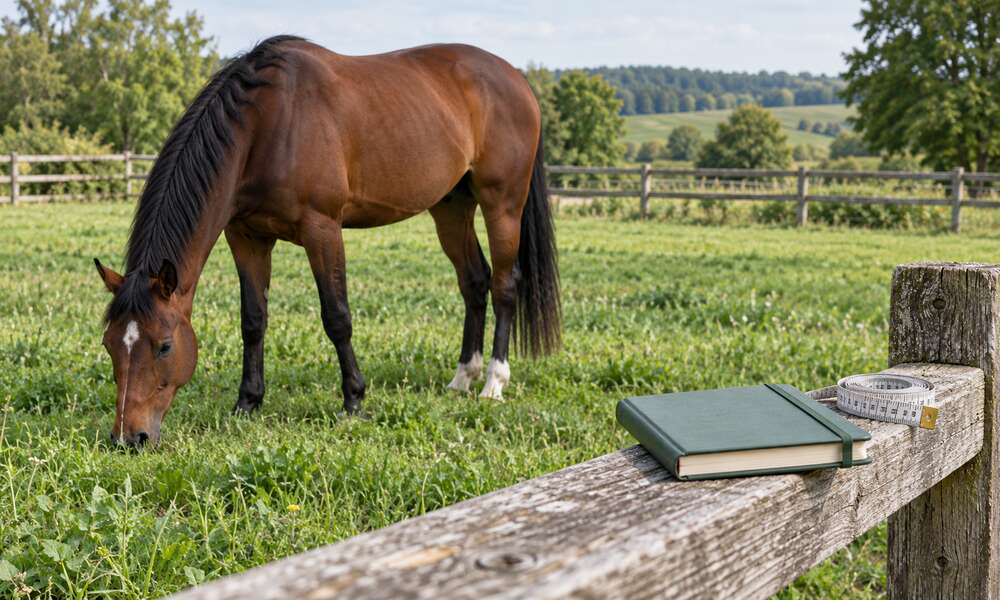
How to choose the right dewormer for horses begins with a parasite-control plan, not a routine trip to the tack room. Different parasites, ages, grazing conditions, and previous treatments influence what a horse may need. Resistance is a growing concern, so repeatedly giving medication at fixed intervals or rotating drugs blindly is not recommended by current equine guidance. A fecal egg count helps a veterinarian understand how many parasite eggs a horse is shedding, although it does not diagnose every parasite problem.
This guide explains how testing, medication classes, age, seasonal conditions, and pasture hygiene fit together. Owners researching a dewormer for horses should use the information to ask better questions rather than self-prescribe. The goal is to reduce parasite-related illness while preserving the usefulness of available treatments. A veterinarian can select an appropriate medication and schedule using the individual horse’s history and local risks.
Understand Why Parasite Control Is Individual
How to choose the right dewormer for horses requires understanding that one regimen does not suit every animal. Foals and young horses can have different parasite concerns from healthy mature horses. Senior horses, pregnant mares, and animals with illness may require further considerations. Strongyles, ascarids, tapeworms, pinworms, and other parasites differ in their biology and response to medications. No single treatment eliminates every parasite stage. Ask your veterinarian which organisms are important on your property and what evidence supports the proposed plan.
Horses sharing a pasture also differ in how many eggs they shed. A high-shedding horse may contribute more to environmental contamination than a low shedder, even when both look healthy. Factors such as stocking density, manure removal, climate, and pasture rotation affect exposure. A visible shiny coat does not prove that a horse is parasite-free. Conversely, a horse with poor condition or colic does not automatically need an extra deworming dose; those signs require examination for multiple possible causes.
Use Fecal Testing to Guide Decisions
The American Association of Equine Practitioners updated its internal parasite guidelines in May 2024. The guidance recommends fecal egg counts once or twice yearly to identify strongyle egg-shedding patterns in adult horses. It also emphasizes testing how well treatments work through fecal egg count reduction tests. A basic egg count and a reduction test answer different questions. Your veterinarian decides when sampling and follow-up testing should occur. Do not interpret a single low number as proof that no parasite risk exists.
How to choose the right dewormer for horses also involves understanding the limits of these tests. Fecal egg counts do not detect all relevant parasite life stages and should not be used alone to diagnose parasitic disease. Some parasites require different diagnostic approaches or seasonal considerations. Collect manure samples using the veterinary clinic’s instructions and label them accurately. If several horses are tested, record each sample against the correct animal. Good records prevent medication decisions based on the wrong horse’s results.
Discuss Drug Class, Weight, and Resistance
Anthelmintics work through different active ingredients and drug classes, but these are not interchangeable. Resistance to some medicines varies among parasite species and horse populations. Your veterinarian should choose the appropriate active ingredient, timing, and dose for the horse’s needs. Never guess the amount from height or an outdated weight estimate. Underestimating weight can lead to inadequate treatment, while inappropriate use of medication can cause adverse effects. The manufacturer’s approved labeling and veterinary instructions must both be respected.
Do not combine treatments, use products intended for other species, or change a schedule because a horse still appears itchy or restless. Ask the veterinarian how treatment effectiveness will be checked and whether a prior class has shown reduced activity on the property. Record the exact medication, dose, date, batch if available, and any reaction. The horse dewormer overview is useful for understanding the range of forms and ingredients, but product selection must be fitted to a clinical plan rather than a ranking.
Build a Responsible Schedule and Pasture Routine
How to choose the right dewormer for horses is linked to how parasites move through the environment. Current AAEP guidance discourages treating every horse on a rigid year-round interval and rotating drug classes without evidence. For adult horses, it describes baseline treatments and additional targeted treatments according to risk and shedding status. Young horses may need different programs. The actual plan depends on veterinary assessment, regional conditions, and testing results. Do not copy another barn’s calendar without discussing your own herd.
Remove manure from paddocks and high-use areas as practical, avoid overcrowding, and manage grazing access thoughtfully. Keep feed and water areas as clean as possible. Do not assume pasture dragging is helpful under every climate condition; parasite survival is affected by heat, moisture, and season. New arrivals may need a quarantine and parasite-control protocol determined by the attending veterinarian. Good environmental management works alongside appropriate medications rather than replacing them. These measures can reduce repeated exposure and make a targeted plan more sustainable.
Know When to Call the Veterinarian Promptly
A horse with colic, severe diarrhea, weight loss, poor appetite, or marked lethargy should be evaluated, even if parasites are suspected. Do not simply administer an extra dose and wait. The signs can reflect many gastrointestinal and systemic disorders. Foals with abdominal discomfort require especially careful attention. Explain what dewormers have been given recently and when fecal testing occurred. The clinician may need to assess hydration, pain, physical examination findings, and other diagnostic possibilities before recommending treatment.
After a treatment, monitor the horse for unexpected weakness, digestive signs, or other adverse reactions. Follow the veterinarian’s guidance for reporting and urgent care. Keep the medication in its original packaging and away from children and animals. Avoid leaving partially used syringes unsecured or exposing them to extreme conditions outside label directions. How to choose the right dewormer for horses is not merely a matter of giving a paste; it is an ongoing process of prevention, observation, and reassessment.
Frequently Asked Questions
The same dewormer may not suit every horse or every time of year. These questions highlight important decisions for responsible parasite control.
Testing and veterinary recommendations should drive treatment. Fixed schedules copied from old stable routines can encourage unnecessary medication use and miss important risks.
Should I deworm every horse every two months?
No. Current equine guidelines discourage blind, fixed year-round intervals. Ask a veterinarian about baseline and targeted treatments for the herd.
Does a negative fecal egg count rule out all parasites?
No. Egg counts have limitations and cannot identify every parasite stage or diagnose all parasite-related disease.
Can I rotate dewormers to prevent resistance?
Blindly rotating drug classes is not recommended. Testing and local effectiveness data should guide veterinary treatment choices.
Does the horse’s weight matter?
Yes. Accurate weight estimation helps prevent inappropriate dosing. Your veterinarian and the medication label should guide administration.
What if my horse has colic after treatment?
Colic requires prompt veterinary attention. Do not assume it is harmless or repeat medication without advice.
Final Words
How to choose the right dewormer for horses means combining veterinary advice, fecal testing, age-specific parasite risks, accurate weight assessment, and farm hygiene. Avoid blind drug rotation or unnecessarily frequent treatment. Keep reliable records and ask how drug effectiveness will be evaluated. A healthy-looking horse can still shed parasite eggs, while illness requires a diagnosis rather than automatic deworming.
Before using a dewormer for horses, discuss your local parasite-control plan with an equine veterinarian. Match treatment to evidence and the horse’s circumstances, then reassess as the herd and conditions change. Responsible prevention protects each horse and helps preserve the medicines on which future parasite management depends.
Reference
These veterinary guidelines describe contemporary parasite-control principles, including fecal testing, resistance monitoring, and the limits of routine interval-based treatments.
Use them as educational background for a veterinarian-led plan. The correct drug, schedule, and testing approach will vary by horse, region, and clinical situation.









