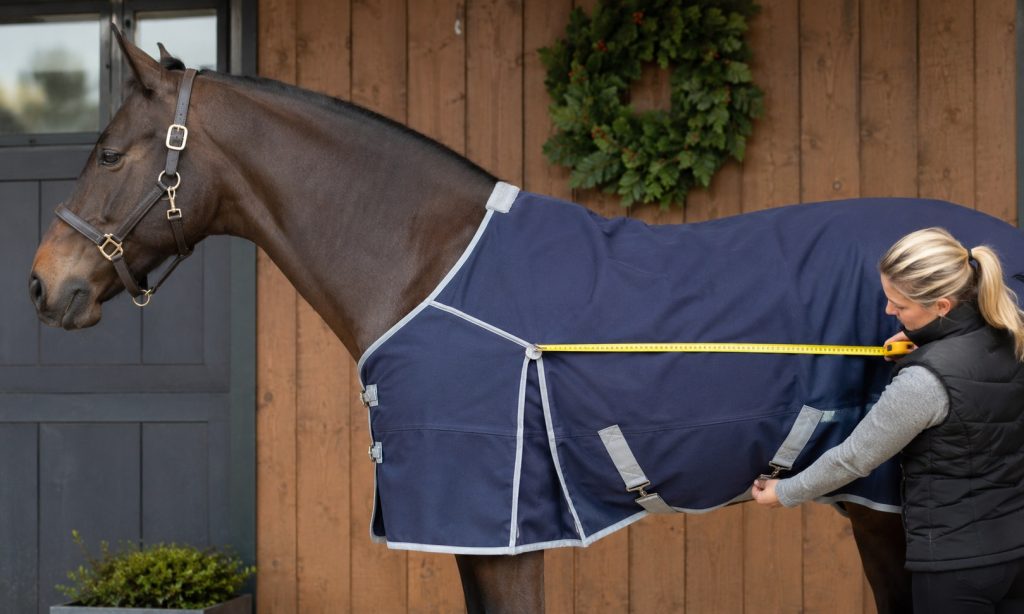
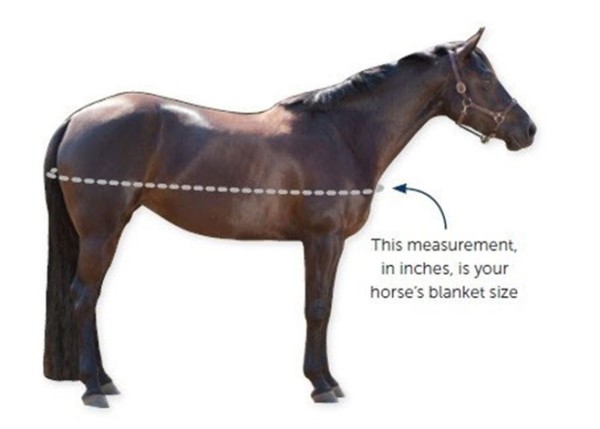
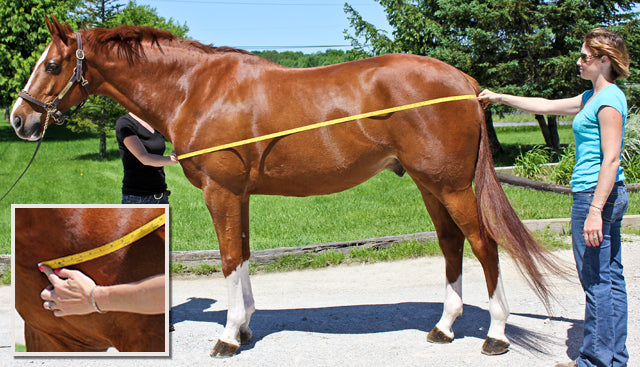
Measure from the center of the chest to the tail along the side. Match that number to brand sizing.
If you want a blanket that fits, moves, and protects, you need more than a guess. In this guide, I show you how to size a horse blanket the right way, with simple steps, clear checks, and pro tips from years of fitting horses in all shapes and seasons.
What horse blanket sizing really means
Blanket size is the body length of your horse. In North America, sizes are in inches, often from 66 to 84. In Europe and the UK, sizes are in centimeters, often from 115 to 165.
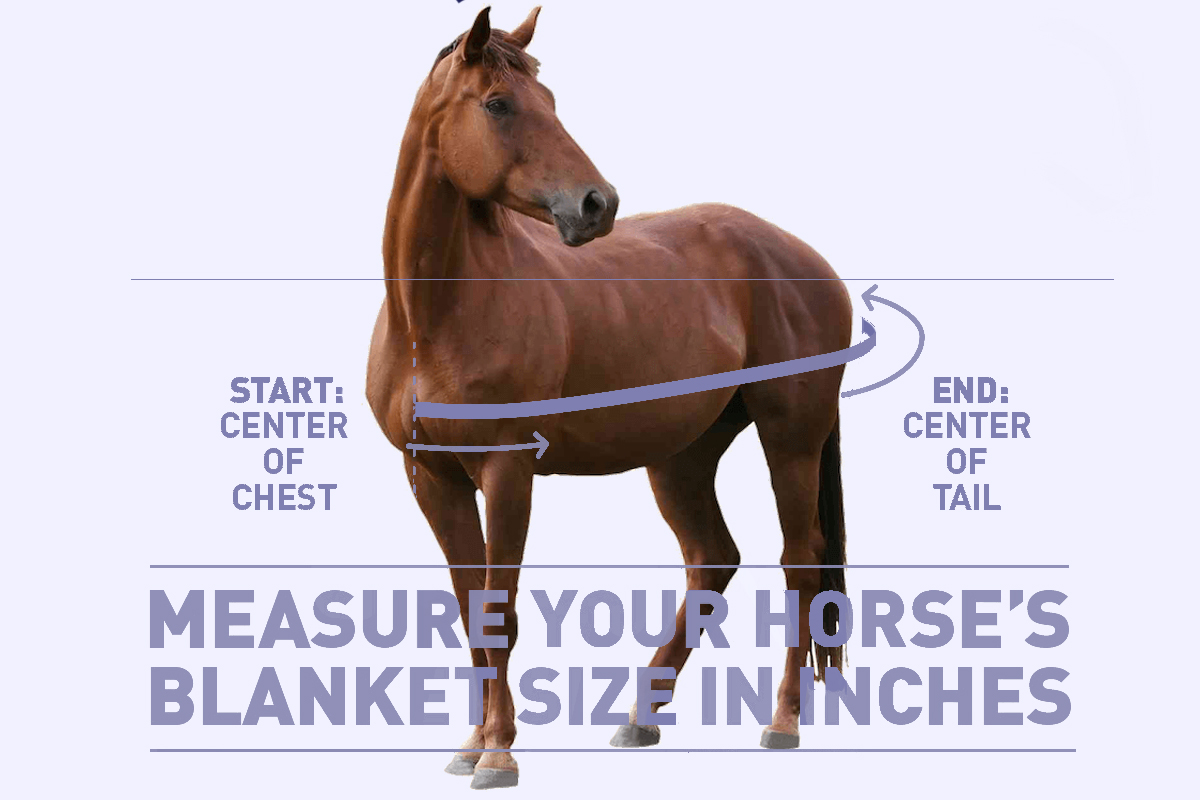
Most US brands use the chest-to-tail measurement. That runs from the center of the chest, around the shoulder, and along the side to the point of the buttock where the tail starts. Many EU brands list the back length, which is from the withers to the top of the tail. This is why charts differ.
If your brand shows inches, your tape measurement often equals the size. If it shows centimeters, use 1 inch equals 2.54 cm to convert. Always check the brand chart because patterns and cuts vary.
This is the base rule for how to size a horse blanket and choose the right pattern for your horse’s shape.

Source: weaverequine.com
Tools you need before you measure
You only need a few items to get an exact number.
- A soft fabric tape at least 90 inches long
- A helper to hold the tape steady
- A flat area where your horse can stand square
- A notepad or your phone to record numbers
Groom off mud on the shoulder and side so the tape lies flat. Stand your horse up square. Head held in a normal, relaxed spot. This matches how the blanket will sit in daily life.
These simple tools make how to size a horse blanket fast and accurate.
Source: stargazeysequinetherapy.com
Step by step: how to size a horse blanket
Follow these steps in order. It takes two minutes and saves money and rubs later.
- Find your start point. Place the zero mark of the tape at the center of the chest where the base of the neck meets the chest.
- Wrap and follow the body. Run the tape over the point of shoulder and straight along the side, about midway down the belly, to the point of the buttock where the tail hair starts.
- Record the number. Note the number in inches. If measuring in centimeters, record that too.
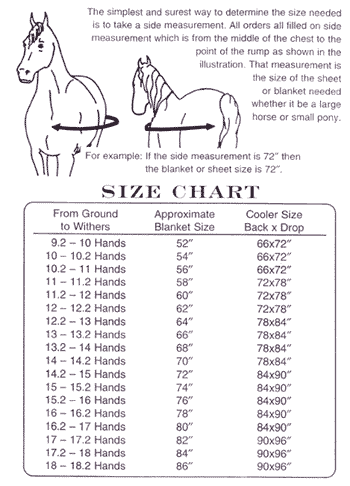
- Match to brand size. US sizes are even numbers like 72, 74, 76. Round to the nearest even number. If your horse is between sizes, most brands suggest going up one size.
- Check the brand’s method. Some brands measure to the center of the tail. Some cut generous through the shoulder. Read the fit notes on the product page before you buy.
- Cross-check with height and type. A 15.2 hand, average build horse often lands near 74 to 76 inches. A 16.3 hand warmblood may need 80 to 84 inches. Use this only as a rough check.
A quick example from my barn. A lean 16.1 hand Thoroughbred measured 77 inches. We chose a 78 in a high-neck cut. Perfect over the withers and no rubs. This is the heart of how to size a horse blanket without guesswork.

Source: farmhousetack.com
Fit check: signs it is perfect, too small, or too big
After you put the blanket on, use these simple checks.
Perfect fit
- The chest buckles close in the middle hole with equal room left on both sides.
- The blanket rests two to three fingers in front of the withers and lifts when the horse lowers the head.
- The drop covers the barrel without hanging past the knees or hocks.
- The surcingles cross and snug up so you can slide a flat hand between strap and belly.
- The tail flap covers the top of the tail but does not twist.
Too small
- Chest cannot buckle on middle holes or pulls open when the horse moves.
- Tight over withers with pressure marks or short hair spots.
- Side seams sit high and leave belly exposed.
Too big
- Blanket slides back or to one side.
- Neck opening gaps and shows the front of the shoulder.
- Surcingles have no more holes yet droop. Leg straps bang the legs.
Walk and trot your horse for a minute. Watch the shoulders and withers. Good fit moves with the horse without binding or sliding. These cues help you confirm how to size a horse blanket for real life use.

Source: hilason.com
Adjusting for body type and common scenarios
Horses come in many shapes. Tune your choice with these notes.
- High-wither or shark-finned horses. Pick a high-neck or wither-relief cut. Do not just size up. Extra length will fall back and pull.
- Broad shoulder or mutton-wither horses. Look for deep shoulder gussets and more room in the chest. You may size up one step if the brand runs narrow.
- Ponies and cobs. Pony lines have shorter drops and broader necks. Many need a wider pattern even at the same length.
- Stock horses with big hips. A V-front chest closure and a full tail flap help keep the blanket centered.
- Growing youngsters. Buy to fit the chest and shoulders now. Use adjustable darts or liners as they grow. Avoid oversizing. Oversized blankets cause rubs and falls.
- Seniors or hard keepers. Recheck fit each season. Weight changes fast. Pressure on bony withers can sore them in days.
When in doubt, ask your saddle fitter or a pro at your tack store. They see patterns every day and know how to size a horse blanket for tricky shapes.
Source: smartpakequine.com
Stable vs turnout, neck covers, and layering
Style matters for fit. Choose the right tool for the job.
- Stable sheets and blankets. For indoor use. Breathable but not waterproof. Often a little straighter cut. Size the same as your measure.
- Turnout sheets and blankets. Waterproof and tougher fabric. Articulated shoulders and gussets. Some brands run a touch bigger due to design. Check charts.
- Neck covers and combos. A full neck or integrated neck adds length forward. Do not size up for the neck. Choose the neck size that matches the body size.
- Liners and layering. Liners clip into turnouts or stable rugs. Keep the outer size the same. Add or subtract liner grams to manage weather.
- Fill weight and denier. Fit does not change with 0 g vs 200 g fill. But heavy fills can feel tighter on big shoulders. Denier is fabric strength. Tougher fabric does not mean a bigger size.
Set your system by climate and clip. A clipped horse needs more layers but the same size. This is a key part of how to size a horse blanket and build a kit that works all winter.

Source: fenwickequestrian.com
Brand and region sizing differences
Not all size numbers mean the same cut.
- US sizing. Based on chest-to-tail in inches. Even numbers from 66 to 84 for most adult horses.
- EU and UK sizing. Often back length in centimeters from withers to tail. Common sizes are 125, 135, 145, 155 cm, and so on.
- Conversion. 72 inches is about 183 cm. 78 inches is about 198 cm. Always read the brand chart to match their pattern to your measure.
- Pattern quirks. Some brands cut narrow in the chest. Some have deep drops. High-neck designs sit forward and can help high withers. Big-hip cuts prevent shifting on round croups.
If you buy online, scan the reviews for notes on fit. Store staff and brand fit guides are reliable. This part of how to size a horse blanket protects you from returns.
Troubleshooting rubs, slips, and strap setup
Good straps keep the blanket centered and safe.
- Chest closures. Buckle on middle holes if you can. If you are on the last hole, you likely need the next size.
- Belly surcingles. Cross them under the belly. Tighten so you can slide a flat hand between strap and belly.
- Leg straps. Clip the left strap to the left D-ring. Pass the right strap through the left strap, then clip to the right D-ring. Adjust so you can fit a hand between strap and leg. This stops twisting.
- Tail cords. If used, keep them clean and short enough to prevent draping on the hocks.
- Anti-rub aids. Try a silky shoulder bib, fleece wither pad, or a different cut if you see hair loss.
- Slip or shift. If the blanket moves back, try a high-neck or wither-relief cut. If it pulls to one side, chest may be too tight or one strap may be looser.
- Safety. Replace frayed straps and broken snaps. Loose parts catch on fences.
If a blanket still rubs after correct setup, change the cut, not the size. This is a key lesson in how to size a horse blanket and protect your horse’s skin.
Source: smartpakequine.com
Care and refit over time
Bodies change. So should your fit checks.
- Recheck fit at the start of each season. Measure again after big weight gain or loss.
- Expect a small break-in. Blankets can relax a little after a week of wear. If it starts snug, it may settle into a good fit.
- Washing can change feel. Follow care tags. Line dry when you can to avoid heat shrink or delamination of waterproof layers.
- Inspect high rub zones weekly. Withers, shoulders, chest points, hips. Catch issues early.
Make a fit note in your barn log. Include date, size, brand, and any pad or bib you used. This record speeds up how to size a horse blanket next time you shop.
Personal experience and pro tips
I have fitted hundreds of horses through wet springs, dry cold snaps, and windy plains. My biggest early mistake was sizing up to fix shoulder rubs. The blanket slid back and rubbed more. A high-neck cut in the same size solved it at once.
Fast wins you can use today
- Measure twice, buy once. Take both inch and centimeter numbers.
- Try the walk test. One lap each way. Watch the shoulders and withers.
- Fit for the chest and shoulders first. You can manage warmth with layers, not size.
- Keep a spare sheet in the same size. If one gets soaked, swap fast and avoid chills.
- Do not chase brand numbers. Trust your tape and the brand’s size chart.
These small habits make how to size a horse blanket simple, safe, and repeatable.
Source: mmtackshop.com
Frequently Asked Questions of how to size a horse blanket
What is the correct way to measure my horse for a blanket?
Place the tape at the center of the chest. Run it along the side to the point of the buttock where the tail starts. Match that number to the brand chart.
Should I size up if my horse is between sizes?
Most brands suggest going up one size. If your horse has high withers, try a high-neck cut in the same size before sizing up.
Do European sizes match US sizes directly?
Not always. US uses inches for side length while many EU sizes use centimeters for back length. Use conversion and the brand chart to match.
How should leg straps and surcingles fit?
Cross belly straps and leave a flat hand of room. Leg straps should allow a hand between strap and leg and be threaded through each other to prevent twisting.
Will blanket weight or denier change the size I need?
No. Choose the same size for sheet, medium, or heavy. But a very full shoulder may feel snug under heavy fill. Adjust the cut if needed.
Can a neck cover change the body size I need?
No. Pick the neck cover that matches the blanket size. If the neck area rubs, choose a different cut, not a bigger size.
How often should I re-measure my horse?
Check size at the start of each season. Re-measure after weight changes, growth in youngsters, or if you see new rubs.
Conclusion
A great fit starts with one clean measurement, a brand chart, and a short movement check. Choose the cut for your horse’s shape, not a random size. Adjust straps with a steady hand, and watch the shoulders and withers for honest feedback.
Use these steps today to master how to size a horse blanket with confidence. Measure, match, and move test. If you found this helpful, subscribe for more barn-tested guides, or share your fit wins and questions in the comments.