
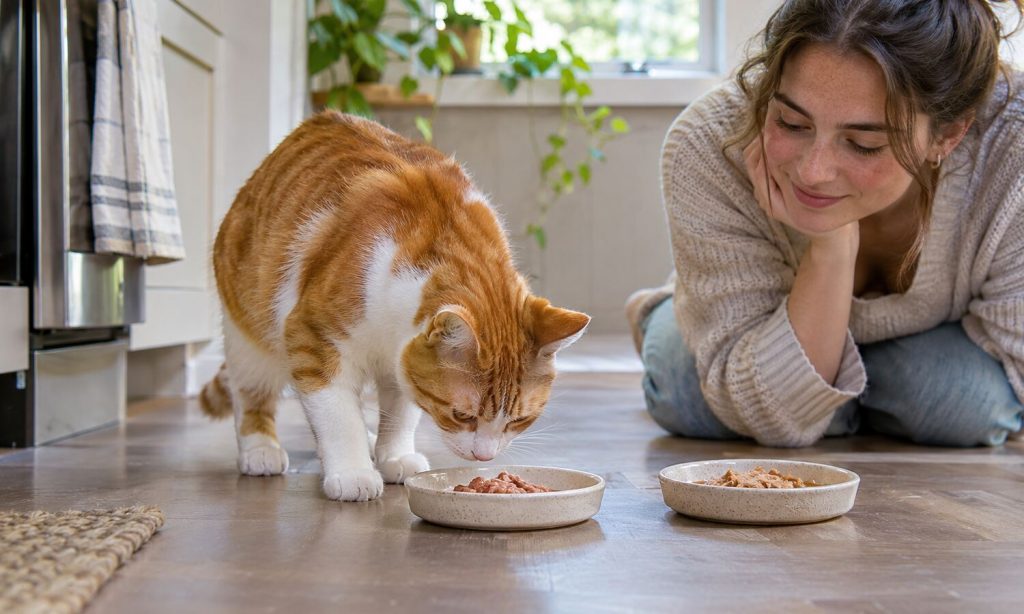
A cat that sniffs dinner and walks away may dislike the texture, temperature, or feeding spot. However, appetite changes can also signal pain or illness. Learning how to use and care for a wet food for finicky cats means balancing gentle feeding habits with strict food hygiene and attention to health. Wet food adds moisture to the diet, but leaving it out too long or switching flavors constantly can create more problems than it solves.
This guide covers serving, transitions, dish cleaning, storage, and when to call the veterinarian. If you are researching the best wet food for finicky cats, start by checking whether the diet is complete and suitable for your cat's life stage and health needs. A consistent routine often helps, while sudden refusal to eat should never be dismissed as mere fussiness.
Check the Food's Nutritional Role First
Look for a nutritional adequacy statement showing that the food is complete and balanced for the appropriate life stage, unless a veterinarian has prescribed something different. The ingredient list alone does not tell you whether daily nutrient needs are met. Kittens, adult cats, pregnant cats, and cats with medical conditions may require different formulations. If wet food is only a topper or occasional treat, account for its calories and do not let it displace a complete diet without guidance.
Review the feeding directions as a starting point, then tailor portions to body weight, body condition, activity, and veterinary advice. Measuring the amount fed is more accurate than judging a mound by eye. For cats with diabetes, kidney disease, urinary conditions, or food allergies, changing food can have medical consequences. Ask the veterinarian before switching a prescribed diet. How to use and care for a wet food for finicky cats starts with meeting nutritional needs even when the cat has strong preferences.
Introduce Wet Food Without Creating a Battle
When changing from an accepted food, begin with a small amount of the new wet food alongside the familiar diet. Increase gradually as tolerated, following veterinary instructions if a medical diet is involved. Watch for vomiting, diarrhea, food refusal, and changes in stool. Some cats need extra time to accept unfamiliar textures. Avoid forcing food into the mouth or repeatedly removing the bowl as punishment. Meals should remain calm and predictable.
Offer wet food in a quiet place where the cat can eat without dogs, children, or another cat approaching. Use a clean, shallow dish when practical and keep water nearby. A cat that dislikes a certain texture may accept a different consistency, but avoid making several changes at once. That makes it hard to know what helped. Our guide to easier cat mealtimes explores the role of routine. Patience is more useful than turning dinner into a negotiation.
Serve Fresh Portions at a Comfortable Temperature
Scoop a measured portion into a clean dish rather than placing an entire large container out for hours. Some cats prefer food that is not refrigerator-cold. If warming is appropriate, use a safe method and stir well to avoid hot spots; the food should never be hot enough to burn the mouth. Do not microwave sealed cans or pouches. Check the package directions for handling after opening. A strong odor, discoloration, bulging package, or mold is a reason to discard food.
Notice which serving conditions are associated with normal eating. A cat may prefer a consistent room, dish shape, or schedule. Keep notes without making every meal into a taste test. FYI, an expensive bowl of food is still unappetizing if it has dried crust around the rim. For a focused freshness checklist, see when to replace wet cat food for finicky eaters. Fresh presentation supports both safety and acceptance.
Refrigerate Leftovers and Avoid Contamination
The US Food and Drug Administration advises promptly refrigerating or discarding unused canned and pouched pet food after opening. Follow the product's storage and use-by instructions, and cover food securely in a clean container. Do not store opened food beside chemicals, or return uneaten food from a cat's dish to the original container. If the food has been standing out beyond the label's safe period, discard it. When in doubt, freshness and hygiene take priority over saving a small serving.
Wash hands after handling pet food, and clean utensils and dishes regularly with appropriate soap and water. Keep raw food handling separate if relevant, and avoid using a scoop that also contacts litter supplies. Store unopened packages in a cool, dry area and check cans for damage before opening. A clean feeding system helps reduce foodborne hazards for both pets and people. How to use and care for a wet food for finicky cats includes the mundane steps that protect the household between meals.
Keep Feeding Predictable but Flexible
Offer meals on a schedule that suits the cat and medical plan. For some cats, multiple small meals reduce the amount left to dry in the bowl. Others do better with two predictable feeding periods. The key is consistency and adequate total intake, not a rigid rule for every cat. In multi-cat homes, monitor who eats which portion. A confident cat may finish a shy companion's dinner before anyone notices.
Weigh your cat periodically and monitor body condition with veterinary guidance. Record food intake if the cat has a medical condition or a history of poor appetite. Do not keep adding treats to entice eating until the main diet becomes nutritionally unbalanced. Our guide to transitioning older cats to new food covers a related situation. Thoughtful adjustments are fine, but a stream of unplanned changes can reinforce avoidance and obscure signs of illness.
Recognize When Picky Eating Is a Medical Clue
Dental pain, nausea, kidney disease, diabetes, stress, and other conditions can reduce appetite. A cat that suddenly refuses all food, loses weight, drools, vomits, or becomes lethargic needs veterinary attention. Cats can develop serious complications from sustained inadequate food intake. Contact your veterinarian promptly if eating is markedly reduced, especially for kittens, seniors, diabetic cats, or animals with known illness. Do not wait several days while cycling through flavors.
The veterinarian may assess the mouth, hydration, body weight, and other signs, then recommend testing or nutritional support. Never administer human appetite drugs or force-feed without professional instruction. A cat that still eats treats but rejects meals can also have a health problem. Distinguishing preference from pain matters. In my view, the most useful feeding record is not a list of favorite flavors but a timeline of what the cat actually ate and how it behaved.
Build a Simple Daily Care Routine
Check the package seal and expiration guidance, serve a measured amount, remove uneaten food at the appropriate time, and wash the dish. Refrigerate unused food promptly and label opened containers with the date if that helps caregivers. Record any meaningful change in appetite. Keep a backup of the familiar complete diet, but do not make emergency changes to a prescribed therapeutic diet without veterinary advice. A written routine keeps feeding consistent when several people care for the cat.
Review food acceptance after a gradual transition rather than making decisions from one reluctant meal. For finicky cats, texture, placement, and predictability may matter as much as flavor. If the cat routinely leaves food untouched despite appropriate handling, ask the veterinarian to investigate. How to use and care for a wet food for finicky cats is an ongoing balance of nutrition, freshness, preference, and health monitoring. A stable routine makes abnormal appetite easier to notice.
Frequently Asked Questions
Wet food handling combines food safety with individual preferences. These answers address common situations in an ordinary household, but a medical condition or prescribed diet changes the plan. Follow the package directions for storage and your veterinarian's directions for feeding.
Never try to solve a sustained loss of appetite with repeated unsupervised diet changes. Keep portions fresh, observe the cat's behavior, and seek care when concerning signs accompany food refusal. Being 'picky' is not a diagnosis.
Can I leave wet food out all day?
No. Follow the product's safe serving guidance and promptly refrigerate or discard leftovers. Wet food can spoil and dry out when left at room temperature.
Is it safe to warm refrigerated wet food?
Sometimes gentle warming can improve acceptance. Follow handling guidance, stir to distribute heat, and test temperature before serving. Never offer hot food.
Should I switch flavors after every rejected meal?
Not automatically. First check freshness, feeding environment, and health. Frequent abrupt switches may upset digestion and make patterns hard to track.
Do finicky cats need a special nutritional supplement?
Not necessarily. A complete and balanced diet should meet routine needs. Consult the veterinarian before adding supplements, particularly for cats with medical conditions.
When is food refusal urgent?
Promptly contact a veterinarian when a cat suddenly stops eating or has markedly reduced intake, especially with lethargy, vomiting, weight loss, or an existing illness.
Final Words
How to use and care for a wet food for finicky cats begins with a suitable complete diet, measured portions, and a gradual transition. Serve food fresh, refrigerate leftovers promptly, keep dishes clean, and make meals calm and predictable. Observe weight and appetite so you can distinguish ordinary preferences from changes that warrant veterinary advice.
The best wet food for finicky cats is not a universal flavor or texture. It is food the cat can eat consistently while meeting its nutritional and medical needs. If acceptance remains poor, involve the veterinarian instead of endlessly opening new packages. A simple routine often gives both cat and caregiver a calmer mealtime.









