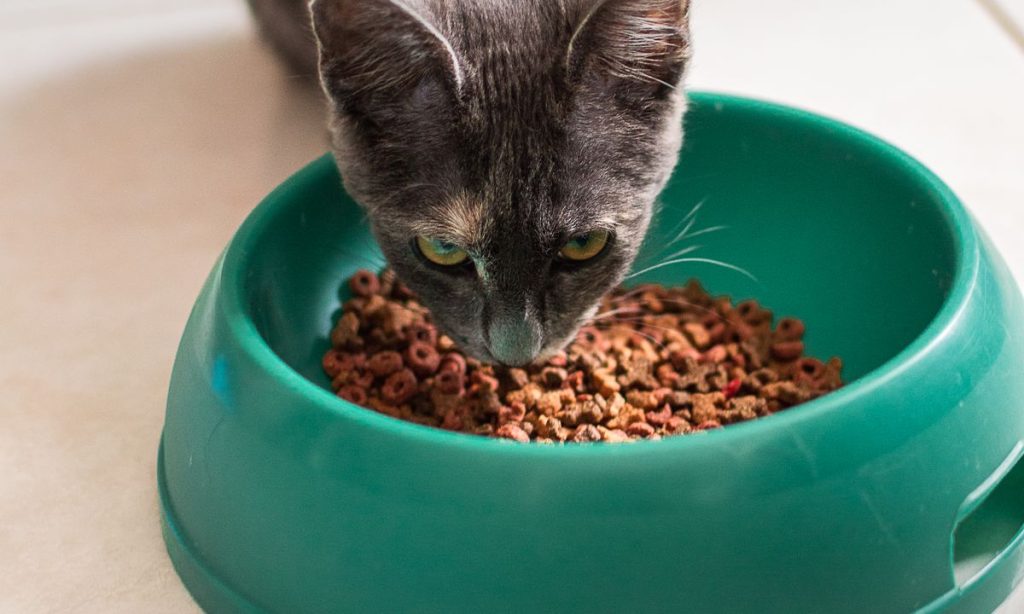
How to make mealtimes easier for cats starts by discovering what interrupts an ordinary meal. One cat may dislike a noisy location, another may be intimidated by a housemate, and a third may struggle with a bowl or food texture. Predictable routines and a comfortable feeding area can reduce everyday frustration. However, a sudden change in eating may indicate illness rather than a preference that can be solved by rearranging the kitchen.
This guide explains how to make mealtimes easier for cats through calm feeding spaces, sensible schedules, clean bowls, portion control, and thoughtful observation. Cats with dental challenges may need extra consideration, so our guide to Cat Food For Cats With No Teeth provides useful context. We will also identify the signs that call for veterinary care. The aim is a relaxed cat eating enough balanced food, not a complicated feeding ritual or an endless sequence of new recipes.
Identify your cat’s specific mealtime obstacle
Observe two or three familiar meals before changing the setup. Does your cat approach the bowl and walk away, wait until other animals leave, eat too quickly, or spill food onto the floor? Does the cat seem hungry but repeatedly stop? Note when and where this happens. Changes in eating can reflect environment, portion size, dental comfort, nausea, or household competition, so one solution does not fit every situation.
How to make mealtimes easier for cats becomes clearer when you keep a brief log. Record the food served, amount eaten, meal duration, where each pet was standing, and unusual behavior. If the problem begins after a diet change or a new pet arrives, include that detail. Avoid testing several changes at once. A short record helps identify whether the cat needs a simpler environment or a professional health assessment.
Create a quiet and predictable feeding place
Choose a clean, accessible spot away from traffic, appliances, and the litter box. Many cats prefer enough space to watch their surroundings while eating. Make the route to the food station easy for senior cats or those with limited mobility. Avoid placing the bowl where children, dogs, or other cats can approach unexpectedly. Observe whether the cat relaxes when the feeding place is less busy.
How to make mealtimes easier for cats often involves giving each animal a sense of security. In multi-cat households, provide separate feeding areas and consider visual barriers where animals compete. Even cats that generally get along can feel tense when eating close together. Avoid insisting they share a dish. Feline behavior guidance supports separate resources because subtle social tension may be hard for people to recognize.
Keep meal times consistent without being rigid
A predictable schedule can reduce uncertainty, but it must also match the cat’s normal feeding style and the family’s routine. Many cats naturally prefer multiple small meals. Discuss meal frequency with a veterinarian if your cat has diabetes, digestive disease, is very young, or follows a prescribed feeding plan. A carefully measured daily allowance can be divided across several meals without increasing total calories.
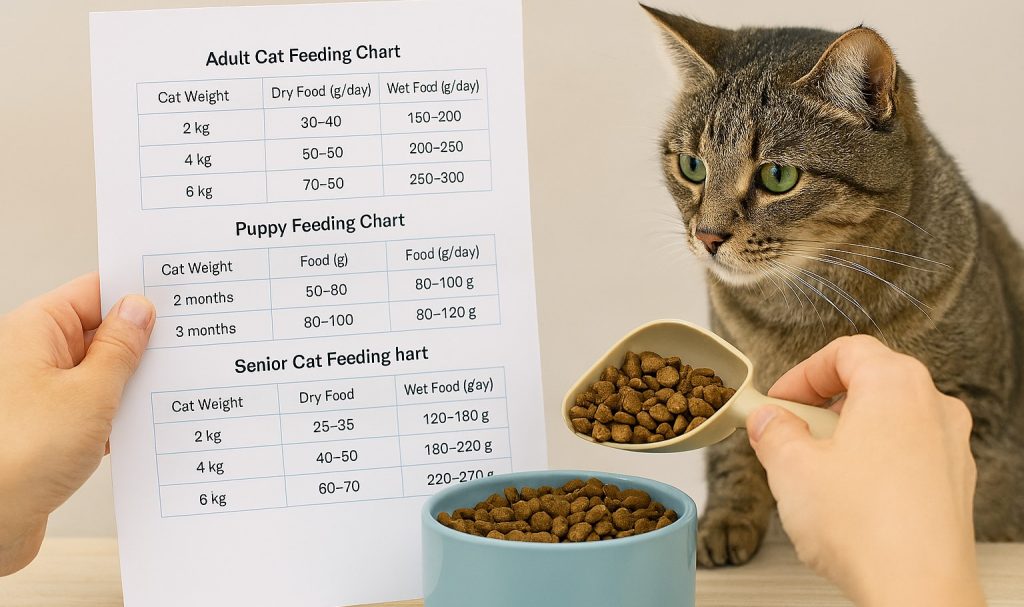
How to make mealtimes easier for cats is not the same as feeding whenever a cat meows. Use the food label as a starting point, then adjust daily energy intake to body weight, life stage, body condition, and veterinary advice. Measure food rather than guessing. If you are managing an older cat, our feeding routines and portion guide for older cats offers more detail about watching intake and condition.
Choose a stable bowl that fits the cat
A clean dish with a stable base can prevent sliding, tipping, or frustration. Some cats seem more comfortable with a wide, shallow bowl that keeps food easy to reach. The correct shape depends on the cat’s size, eating style, and mobility. Wash the bowl frequently and remove old wet food promptly. If a mat is used, keep it dry and non-slip to prevent awkward movement around the station.
How to make mealtimes easier for cats can include adjusting a dish’s placement or shape, but no bowl height is universally ideal. An elevated bowl does not automatically solve vomiting or pain. If your cat has difficulty bending, swallowing, or reaching food, ask your veterinarian about possible medical causes. Our guide to assessing cat bowl height and shape discusses practical factors without treating one design as a cure.
Respect food preferences while protecting nutrition
Cats can react to changes in aroma, temperature, moisture, and texture. A food served cold from the refrigerator may smell different from the same food at room temperature. If appropriate for the product and your veterinarian’s directions, bringing a portion closer to room temperature may improve acceptance. Never serve food dangerously hot. Avoid turning each refused meal into an escalating series of treats, table scraps, or strongly flavored extras.
How to make mealtimes easier for cats still requires a complete and balanced diet. Plain cooked meat alone does not meet long-term feline nutritional needs. If you are changing foods, make the transition gradually when possible and monitor stool and appetite. Some medical diets require stricter adherence. If a cat refuses a prescribed formula, contact the veterinary team before substituting another food. Sudden refusal may indicate illness.
Adapt mealtimes for cats with few or no teeth
A cat recovering from dental extraction may need a softer texture under the veterinarian’s feeding instructions. Some fully healed toothless cats eat comfortably without extensive changes, while others do better with moist, finely textured meals. Watch whether food drops from the mouth or the cat appears to hesitate. Do not assume toothlessness always causes discomfort, and never try to test chewing ability with deliberately hard foods.
How to make mealtimes easier for cats with dental challenges includes watching real intake and avoiding mouth manipulation. If there is drooling, pawing at the face, bad breath, or a sudden change in eating, schedule a veterinary examination. The feeding guidance linked earlier can help explain texture choices, but food adjustments are not a treatment for painful gums, mouth ulcers, or another dental problem.
Try enrichment without making dinner difficult
For a healthy cat that enjoys searching for food, easy feeding puzzles and scattered small measured portions may provide pleasant activity. Introduce changes gradually, supervise new equipment, and keep everything clean. A puzzle should not frustrate a nervous cat or prevent it from getting enough calories. Start with a very easy challenge and return to a regular bowl if the cat stops eating or becomes agitated.
Making feeding easier sometimes means reducing complexity instead. Senior cats, cats recovering from illness, and animals with limited mobility may prefer straightforward access to meals. Our guide to choosing a cat puzzle feeder can help evaluate whether enrichment is suitable. Do not use feeding challenges to manage swallowing trouble, repeated vomiting, or major appetite changes. Those require veterinary guidance.
Recognize symptoms that need veterinary assessment
Contact a veterinarian when a cat suddenly eats less, consistently leaves meals, appears painful while eating, vomits repeatedly, has diarrhea, or loses weight. Drooling, trouble swallowing, bad breath, and unusual hiding also deserve attention. If a cat refuses food completely, seek same-day veterinary advice rather than assuming it is simply being picky. Young, elderly, and medically fragile cats may need particularly prompt evaluation.
How to make mealtimes easier for cats should never delay diagnosis. Keep a note of appetite, hydration, stool, medications, and recent changes to the household. Do not force-feed a resisting cat or give human medications. Seek emergency care for severe weakness, collapse, breathing difficulty, or an inability to swallow. A calm feeding space is helpful only when it is safe for the cat to eat.
A practical seven-day mealtime adjustment plan
On the first day, keep the usual balanced food and measure the total allowance. Observe the cat’s preferred location and any competition. Next, try a quieter feeding spot and a stable clean dish. For several days, use consistent meal times and track consumption. If the cat enjoys several small meals, divide the same daily calories rather than adding more food. Change only one variable at a time.
Mealtime improvement is an observation-led process. Keep a record of what actually helps the cat settle, and revert any change that makes eating harder. Monitor weight and appetite over time. If the cat continues avoiding meals, do not spend a full week testing arrangements before contacting the veterinarian. A useful plan includes knowing when home adjustments are insufficient.
Frequently Asked Questions
Every cat has a different combination of feeding preferences, household pressures, and medical needs. A consistent routine and well-placed bowl can help, but there is no guaranteed trick that makes every cat eat immediately. The goal is adequate nutrition without stress.
These questions address common practical problems. If a refusal is sudden, persistent, or accompanied by illness signs, professional evaluation takes priority over further experiments with feeding equipment or meal schedules.
Should cats eat together?
Cats often benefit from separate feeding areas, especially when one crowds another. Even friendly cats can experience subtle competition at meals.
Is free-feeding easier than scheduled meals?
It depends on the cat and health plan. Measured scheduled meals make intake easier to track, while some cats manage multiple small meals well.
Does an elevated bowl prevent vomiting?
There is no universal reason to expect a raised bowl to prevent vomiting. Repeated vomiting needs medical evaluation.
Can a toothless cat enjoy mealtimes?
Yes. Many eat comfortably after dental healing. Follow veterinary advice on texture and monitor for drooling, pain, or decreased intake.
What if my cat refuses a newly introduced food?
Check whether the change was abrupt and whether the cat seems ill. Make any ordinary diet change gradually, and contact the veterinarian if intake is inadequate.
Final Words
How to make mealtimes easier for cats begins with quiet, predictable access to appropriate food. A clean stable bowl, suitable portions, separate feeding spaces where necessary, and careful observation often address everyday obstacles. Avoid treating every food preference as an emergency, but do not overlook a meaningful appetite change or evidence of pain.
Keep the plan simple and tailored to your cat. If dental problems affect food texture, the related Cat Food For Cats With No Teeth guide provides background without replacing veterinary care. Review any persistent refusal, weight change, drooling, or digestive symptoms with a veterinarian. Comfortable feeding is a combination of good nutrition, an appropriate environment, and attention to health.