
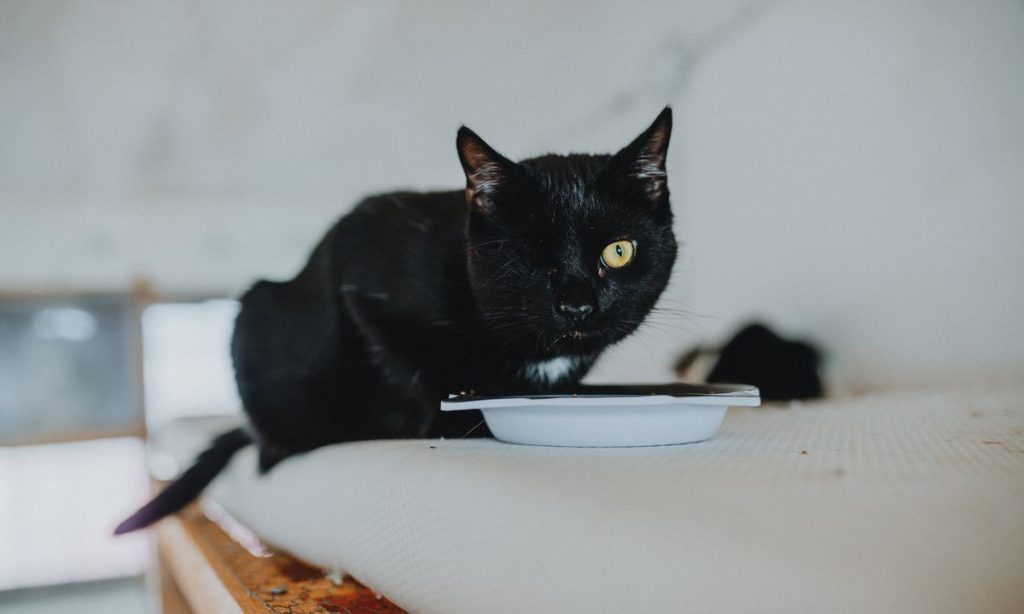
How missing teeth affect feeding comfort depends on whether the cat’s mouth has healed, what oral tissue remains sensitive, and how the cat manages food. Many cats adapt well after painful teeth are removed. Others need a different texture during recovery or because of continued inflammation. Eating may look unusual without necessarily being uncomfortable, which is why appetite, weight, and behavior are better measures than the number of teeth alone.
This article explains how missing teeth affect feeding comfort, what owners should watch, and practical ways to keep meals safe and nutritionally balanced. The related guide to Cat Food For Cats With No Teeth provides background on food texture, but no single diet format suits every toothless cat. We will separate ordinary adaptation from warning signs of pain, show how to monitor intake, and explain when veterinary assessment is essential.
What teeth do during eating and what changes without them
Cats use their teeth to grasp, tear, and manipulate food, but they may also swallow small pieces with little visible chewing. After tooth removal, tongue and jaw movements become more important during feeding. Some cats lap soft food comfortably and maintain normal weight. Others find certain chunk sizes difficult or avoid hard pieces. How missing teeth affect feeding comfort varies from cat to cat rather than following one simple rule.
A toothless mouth still contains highly sensitive gums, tongue, lips, and palate. The loss of an infected or damaged tooth can reduce pain and make feeding easier after healing. Yet the extraction site may be tender during recovery, and ongoing oral disease can interfere with meals. Avoid the assumption that toothlessness always means hunger, pain, or inability to eat. Observe the individual animal in its usual home setting.
After dental extraction: healing versus long-term adaptation
In the days after dental work, follow the veterinarian’s written instructions for feeding, medication, and rechecks. The correct food texture and timetable depend on the procedure and the state of the healing tissues. Do not independently switch to hard treats or add unfamiliar foods because the cat seems hungry. Offer the prescribed portions and contact the clinic if the cat refuses food or has bleeding, swelling, or increasing discomfort.
How missing teeth affect feeding comfort often changes as tissues heal. A cat that needed smooth wet food initially may later tolerate other textures. The goal is sustained normal intake without pain, not proving that the cat can eat a particular form of food. Never treat a temporary return of appetite as confirmation that healing is complete. Keep follow-up appointments and ask the clinic before modifying a post-operative plan.
Food texture and the role of moisture
Pâté-like food, finely minced pieces, or appropriately moistened food may be easier for some cats. Texture should be chosen for actual eating ability, any prescribed diet, and the manufacturer’s preparation guidance. Adding small amounts of plain water may be suitable for certain foods, but it changes how long food can safely stand. Discard leftovers promptly and clean dishes after meals, especially when moisture has been added.
How missing teeth affect feeding comfort can be seen when a cat laps a smooth meal readily but repeatedly drops larger pieces. That does not automatically mean the larger food is harmful, and the opposite can also occur. Cats differ in preference and coordination. Prioritize a complete, balanced diet for the correct life stage. Our overview of complete wet cat food explains why nutritional completeness matters more than texture alone.
Portion sizes and calorie intake still matter
A toothless cat’s daily calorie needs do not become automatically lower simply because the teeth are gone. Energy requirements depend on age, body weight, body condition, activity, reproductive status, and health. Measure what is offered and what is eaten. Different textures have different calorie densities, so replacing the same volume of dry food with wet food does not necessarily provide the same energy.
How missing teeth affect feeding comfort may indirectly change body weight if the cat begins leaving substantial portions. Use the food’s calorie statement to calculate actual intake, and discuss unintended loss with a veterinarian. Avoid compensating by giving unlimited treats or only one favorite ingredient. A daily log, weekly weight trend when practical, and a body-condition discussion can reveal whether the chosen feeding setup meets the cat’s needs.
Choosing a bowl and a low-stress feeding place
A stable, clean dish in a quiet location may make eating easier. Some cats prefer shallow bowls that give the muzzle room without having to chase food across a deep container. Placement should prevent other pets from crowding the cat. In multi-cat households, separate feeding stations help you see who is eating what. A comfortable environment supports feeding but cannot correct a painful medical condition.
Feeding difficulty is sometimes confused with an awkward bowl or environmental stress. Observe the cat’s head position and whether it backs away when another animal approaches. Try one simple adjustment at a time without altering the diet. The guide on choosing a comfortable cat bowl discusses bowl dimensions and stability. Elevated dishes are not automatically better and may be inappropriate for some cats.
Recognizing pain rather than ordinary adjustment
Drooling, pawing at the muzzle, sudden refusal of food, facial swelling, new bad breath, and visible bleeding warrant veterinary attention. A cat that approaches a bowl eagerly but retreats after a lick may be uncomfortable. Yet those behaviors can also accompany nausea or other illness. Compare with the cat’s established feeding pattern and report a change rather than trying to identify the cause yourself.
How missing teeth affect feeding comfort should not be judged from food choice alone. Some cats continue eating despite painful inflammation, while others reject a meal because of stress. Hiding, reduced grooming, irritability, and weight loss strengthen the need for evaluation. The veterinarian may need an oral examination and dental imaging, particularly when a past extraction or inflammatory condition is suspected.
Practical daily monitoring without overhandling
Write down the food and calories offered, amount actually eaten, appetite, mealtime duration, and any coughing, gagging, or dropped pieces. Record recent diet changes and medications. Weigh the cat when safe and practical, following veterinary advice about frequency. Compare body condition over time instead of relying on a single meal. These records help identify trends that are easily missed in a busy household.
Do not force the mouth open, pry at gums, or test chewing with hard items. The effect of tooth loss on eating is best assessed through normal observation rather than a challenge. Avoid human pain medicines and unapproved oral rinses. If your cat is recovering from surgery, use the clinic’s advice as the primary rule and ask before introducing new textures. If intake is decreasing, contact the veterinarian promptly.
When feeding changes need veterinary help
Call a veterinarian if your cat repeatedly struggles with food, leaves much of its daily portion, drools excessively, appears in pain, or loses weight unexpectedly. If a cat stops eating altogether, seek same-day advice, particularly if it is a kitten, senior, or has another illness. Cats can become seriously unwell from inadequate intake, and waiting for a dramatic symptom may delay necessary care.
Seek urgent assessment for severe weakness, inability to swallow, repeated vomiting, significant swelling, breathing trouble, or collapse. Do not force food into a distressed cat. How missing teeth affect feeding comfort should improve or stabilize after an appropriate recovery plan; worsening symptoms are not a normal milestone. The clinic can evaluate oral healing, check other causes of poor appetite, and adjust nutrition safely.
Frequently Asked Questions
Owners often ask whether toothless cats can live comfortably and whether soft food is obligatory forever. Many can adapt well, but comfort depends on the individual mouth, diet, and medical history. A successful feeding plan is one the cat tolerates and that provides adequate nutrition.
Use the answers below as practical orientation, not a substitute for individualized veterinary care. How missing teeth affect feeding comfort may change with age, disease, and healing, so monitor the cat’s routine over time.
Can cats eat dry food without teeth?
Some healed cats manage certain dry textures, while others do not. Follow dental recovery instructions and prioritize comfortable intake. Ask your veterinarian if you notice trouble with chewing or swallowing.
Is wet food always better for a toothless cat?
Not always. Wet food may be easier for some cats, but the right choice depends on nutrition, texture tolerance, medical needs, and veterinary guidance.
Should I add water to every meal?
Only when appropriate for the food and the cat’s health plan. Added moisture changes texture and food safety. Serve promptly and discard leftovers.
Will losing teeth make my cat lose weight?
Not necessarily. Some cats eat better after painful teeth are removed. Monitor actual calories and weight; ask the veterinarian about unintended loss.
How do I know if the gums are hurting?
Sudden food avoidance, drooling, pawing, bad breath, or swelling can be warning signs. Do not probe the mouth yourself; arrange an examination.
Final Words
How missing teeth affect feeding comfort is not the same for every cat. Many regain comfortable eating once diseased teeth are removed and gums heal. Others need attention to texture, bowl position, portion tracking, or persistent oral inflammation. The best indicator is consistent eating without distress and stable body condition, not whether the cat eats crunchy food.
Keep the feeding routine calm, follow any surgical instructions, and speak with a veterinarian about pain or poor intake. The linked Cat Food For Cats With No Teeth guide provides additional texture considerations, while feeding guidance for older cats may help with monitoring. Do not wait for visible signs of severe illness when appetite drops.
Reference
These veterinary resources support the discussion of oral healing, dental disease, and nutrition. They offer general evidence about why cats may alter eating behavior after tooth loss and why whole-body assessment remains important.
A veterinarian can interpret these principles for the individual cat, including any surgical history, other disease, and the appropriate diet during recovery.









