Calming collars can irritate sensitive dog skin, causing redness, itching, rashes, and in some cases infection.
As a veterinarian and long-time animal behavior consultant, I have assessed many cases where calming aids, including collars, interacted poorly with dogs that have delicate skin. This article examines the side effects of calming collars on sensitive dog skin in depth. I will explain how these products work, why sensitive skin reacts, the common and less common side effects, how to recognize problems early, safer alternatives, and practical steps to reduce risk. My goal is to provide actionable advice you can use today to protect your pet while addressing anxiety or reactivity.
Source: puremajestypet.com
How calming collars work and why skin sensitivity matters
Calming collars deliver pheromones, herbal aromas, or low-dose drugs. They may be passive patches, scent-based collars, or collars that release topical compounds. Many dogs tolerate them well. Dogs with sensitive skin can react to the collar material, adhesives, perfume oils, or active ingredients.
Skin sensitivity means the skin barrier is fragile. A weak barrier lets irritants penetrate more easily. This increases the chance of redness, itching, or allergic reactions when a collar sits on the neck. Understanding how calming collars interact with skin helps prevent harm.
Common side effects of calming collars on sensitive dog skin
Below are the typical reactions seen in sensitive dogs after using a calming collar.
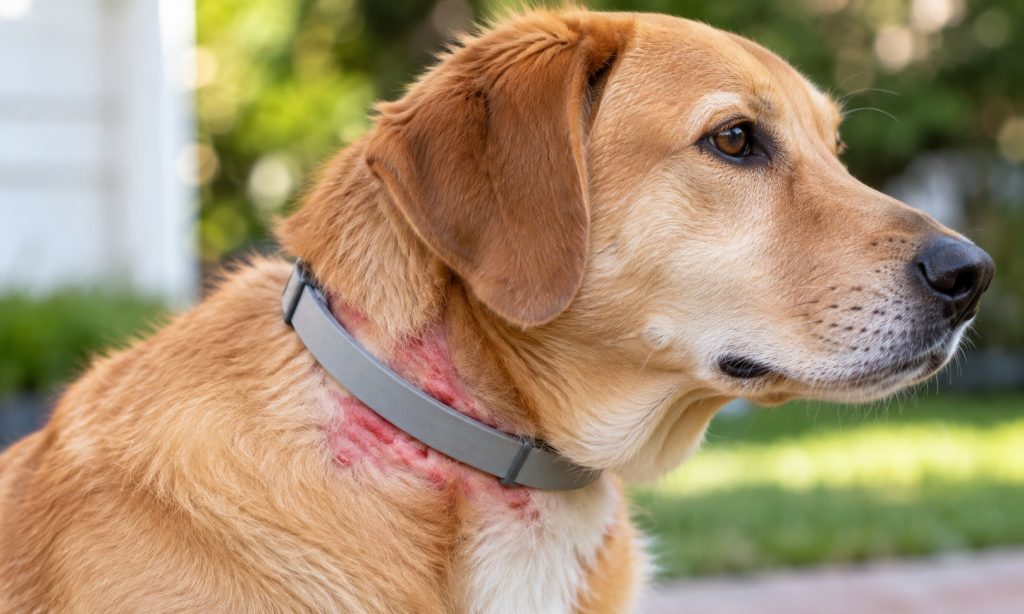
- Redness and inflammation. The skin under and around the collar often becomes red and warm to the touch.
- Itching and scratching. Dogs may rub, paw, or bite at the neck area.
- Contact dermatitis. This is a localized allergic or irritant reaction that can produce blisters, scabs, or flaky skin.
- Hair loss. Repeated rubbing or a chronic reaction can lead to patchy fur loss along the collar line.
- Secondary infection. Scratching can break the skin and allow bacteria or yeast to infect the area.
- Hyperpigmentation or thickened skin. Long-term irritation can change the skin’s texture or color.
These side effects occur with pheromone collars, essential-oil collars, and medicated collars alike. If your dog has a history of allergies, atopic dermatitis, or thin skin, the risk rises considerably. Use caution and monitor closely.
Ingredients and collar materials that commonly cause reactions
Knowing what is inside the collar and what it’s made from helps prevent reactions.
- Pheromone blends. These are usually safe, but carriers and solvents can irritate some dogs.
- Essential oils. Oils such as lavender, cedar, or citrus can cause allergic contact dermatitis in sensitive dogs.
- Synthetic fragrances. These are common irritants and provide little therapeutic benefit.
- Adhesives and backing materials. Glue, plastic, or elastic fabrics can rub or trigger allergies.
- Topical drugs. Collars with sedative or anti-anxiety compounds may cause systemic or local reactions.
Always check ingredient lists and product materials. If ingredients are unclear, consult the manufacturer or your veterinarian before use.

How to spot and test for a reaction early
Early detection prevents escalation. Follow these steps for safe testing and observation.
- Patch test first. Place the collar in contact with a small area for 24 hours and check for redness or itching.
- Inspect daily. Check the neck at least twice daily for the first week of use.
- Watch behavior. Increased rubbing, restlessness, or avoidance of touch near the neck are red flags.
- Photograph changes. Document progression with photos to show your vet if needed.
If redness or irritation appears, remove the collar immediately and cleanse the area with a mild, non-irritating cleanser. Seek veterinary advice if signs worsen.
Treatment options for collar-induced skin problems
Treatment depends on severity. Mild irritation may resolve quickly; deeper issues need veterinary care.
- Immediate removal. Take the collar off to stop further contact.
- Clean and dry. Gently wash the area with a mild, hypoallergenic cleanser and pat dry.
- Topical barrier creams. Use a veterinary-recommended ointment to soothe and protect the skin.
- Short course of anti-inflammatory medication. A vet may prescribe topical steroids or oral anti-inflammatories for moderate dermatitis.
- Treat secondary infections. Bacterial or yeast infections require targeted antibiotics or antifungals.
- Allergy testing and long-term management. If reactions recur, consider patch testing or allergy evaluation.
Prompt treatment shortens recovery and reduces the chance of chronic problems.
Safer alternatives and prevention strategies
If your dog has sensitive skin, consider safer anxiety tools and prevention methods.
- Use pheromone diffusers. These avoid direct skin contact and are effective for many dogs.
- Try short-term aromatherapy with supervision. Use diluted, vet-approved formulations away from the neck.
- Behavioral training and enrichment. Counterconditioning and desensitization reduce reliance on collars.
- Choose collar materials carefully. Opt for soft cotton, breathable fabrics, or hypoallergenic options when contact is necessary.
- Limit wear time. Use collars only when needed and remove them overnight.
- Consider medication under vet guidance. When appropriate, oral or injectable medications can manage severe anxiety without topical contact.
Combining behavior work with non-contact calming aids often gives the best outcomes for dogs with sensitive skin.
Personal experience and lessons learned
In practice, I have seen several dogs react to calming collars despite clean ingredient lists. A Labrador I treated developed ring-shaped hair loss after a pheromone collar. Removing the collar and using a gentle steroid cream led to full recovery in two weeks. A mistake I often see is leaving a collar on continuously; even non-irritant materials can cause pressure and moisture build-up. My advice: always test, monitor, and pair any calming tool with training. These steps reduce risk and improve outcomes.
Choosing the right calming collar: checklist
Use this checklist to pick safer products for sensitive skin.
- Read full ingredient and material lists.
- Verify hypoallergenic claims with the maker.
- Look for collars designed for sensitive skin or medical use.
- Prefer fragrances-free or pheromone diffusers over scented collars.
- Start with a short trial and perform a patch test.
- Keep a record of any skin changes and remove the product if signs appear.
Selecting carefully and monitoring closely protects your dog while addressing anxiety needs.
What the research and vets say
Clinical reports and veterinary guidance show that contact dermatitis from collars is a recognized issue. Studies on essential oils and fragrances demonstrate that topical exposure can trigger allergic responses. Veterinarians recommend patch testing and non-contact alternatives for dogs with a history of skin disease. While calming collars help many animals, their benefits must be balanced against the risk of skin reactions in sensitive dogs.
Frequently Asked Questions about Side effects of calming collars on sensitive dog skin
Can a pheromone collar cause skin irritation in sensitive dogs?
Yes. Pheromone collars can irritate skin, usually due to carriers, adhesives, or backing materials rather than the pheromone itself. Monitor the neck area closely during the first week of use.
How soon will signs of side effects appear?
Signs can appear within hours to days of first contact. Immediate redness or itching often shows within 24 hours, while chronic changes may take weeks.
Is a diffuser safer than a collar for sensitive skin?
Generally, yes. Diffusers release pheromones into the air and avoid direct skin contact, making them a safer choice for dogs with sensitive skin.
Can essential oil calming collars be used on puppies or senior dogs?
Caution is advised. Puppies and older dogs often have more fragile skin and different sensitivities, so consult a veterinarian before use.
What should I do if my dog develops a rash from a calming collar?
Remove the collar at once, clean the area gently, and consult your veterinarian. Early treatment reduces the chance of infection and long-term skin damage.
Are medicated calming collars safe for dogs with allergies?
Some medicated collars may be safe, but many contain carriers or actives that can trigger allergies. Discuss alternatives and testing with your vet before use.
How long should I wait before trying another collar after a reaction?
Allow the skin to fully heal, which can take 1–3 weeks depending on severity, and then perform a patch test with any new product under veterinary guidance.
Conclusion
Carefully weigh the benefits of calming collars against the risk of skin reactions in dogs with sensitive skin. Recognize common side effects of calming collars on sensitive dog skin—such as redness, itching, contact dermatitis, and secondary infection—and act quickly if signs appear. Use patch testing, choose non-contact options when possible, and combine behavioral strategies with professional advice. By staying vigilant and informed, you can protect your dog’s skin while addressing anxiety in a safe, effective way. Consider trying safer alternatives or consulting your veterinarian for a tailored plan, and share your experience or questions below to help other pet owners.