
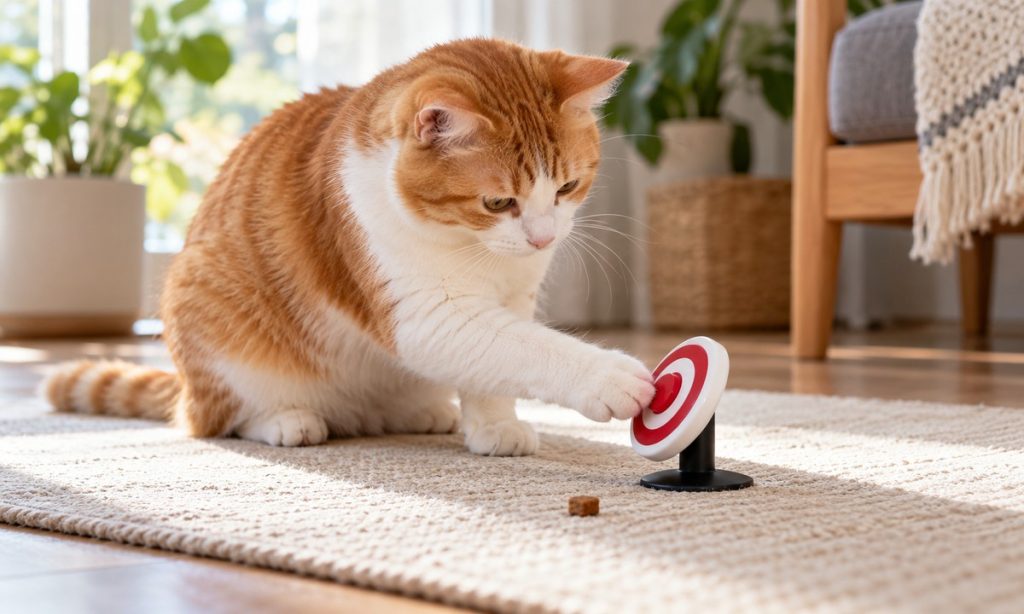
Choosing a treat for a cat with chronic kidney disease (CKD) can feel like a small decision with many consequences. What ingredients to check in cat treats for cats with kidney disease begins with your veterinarian’s current plan. The main diet, disease stage, appetite, blood phosphorus, body condition, and medications all matter. This guide explains what ingredients to check in cat treats for cats with kidney disease and what to ask your veterinarian before adding one. It is a label-reading aid, not a treatment plan. A treat that looks simple or “natural” may still alter the balance of a carefully selected renal diet. If you are also comparing cat treats for kidney disease, review the ingredient and nutrient details with your veterinary team before choosing. A complete daily food plan remains the priority.
Start with your cat’s kidney care plan
CKD does not create one identical menu for every cat. A veterinarian considers lab results, stage, appetite, weight, muscle condition, other illnesses, and the cat’s willingness to eat. Renal diets are designed to manage several nutrients together, including phosphorus, protein, sodium, potassium, and calories. The right balance can change as the disease changes.
Before checking labels, ask whether your cat should receive treats at all, and how much is reasonable. Include training rewards, pill pockets, lickable snacks, table food, and supplements in that conversation. For broader feeding context, see our guide to canned cat food for kidney disease and the routine tips in feeding routines for older cats.
What ingredients to check in cat treats for cats with kidney disease
Phosphorus sources and total phosphorus
Phosphorus is often a central nutrient to discuss because many CKD plans aim to control phosphorus intake. However, the ingredient list alone cannot reliably tell you how much phosphorus a treat contains. Look for a nutrient analysis or contact the manufacturer for the phosphorus amount, ideally expressed on a dry-matter or per-calorie basis. Ask your veterinarian which unit and comparison method they prefer.
Meat, fish, dairy ingredients, bones, and some organ ingredients can contribute phosphorus. Phosphate additives may appear with names such as phosphoric acid or ingredients containing “phosphate” or “phosphoric.” Their presence is a reason to ask for clarification, not a stand-alone verdict. The amount and the cat’s whole diet matter more than a single ingredient name. That context is central to what ingredients to check in cat treats for cats with kidney disease.
Protein amount and source
Protein needs are individual. Some renal diets moderate protein to help manage phosphorus and waste products, while still supplying enough high-quality protein to protect lean body mass. Do not assume that every CKD cat needs the lowest-protein treat possible. Ask the veterinarian to consider the cat’s weight, appetite, muscle condition, stage, and current food before setting a target. These details shape what ingredients to check in cat treats for cats with kidney disease.
A treat made mostly from meat or fish may be appealing and protein-rich, but that does not automatically make it suitable or unsuitable. Compare the treat with the cat’s full meal plan. If the label lists only crude protein, remember that the number is a minimum guarantee, not a complete description of digestibility or phosphorus content.
Sodium, calories, and serving size
Check calories per piece or serving, then compare the suggested serving with the small amount your cat will actually receive. A few extras can add up, particularly when several family members give treats. Ask whether sodium needs special attention for your cat’s health profile. Do not infer sodium content from words like “savory,” “light,” or “grain-free.” The nutrient data help answer what ingredients to check in cat treats for cats with kidney disease. Request a typical nutrient analysis when the package does not provide the information.
Treats should not displace a meaningful share of a prescribed complete diet. Cats with CKD can be vulnerable to poor intake and loss of muscle, so restricting snacks too aggressively without a plan can also create problems. Your veterinarian can help set a practical daily amount and explain how to track weight and appetite.
Moisture, texture, and other ingredients
Moisture may help make a treat easier to eat, but it does not make the treat kidney-friendly by itself. Texture matters too. A soft morsel may be easier for a cat with dental discomfort, while a crunchy bite may be preferred by another cat. These preferences can support acceptance, but they do not replace nutrient review. This is part of what ingredients to check in cat treats for cats with kidney disease.
Read the full ingredient list for added salt, flavorings, oils, binders, herbs, and supplements. Ingredients marketed for urinary, digestive, or “detox” support may be inappropriate alongside medications or a therapeutic diet. Avoid assuming that a plant-based ingredient is automatically low in phosphorus or safe for every cat. Ask the veterinary team about any concentrated ingredient or supplement.
How to compare a treat label
Use the package as a starting point, then gather missing data. The front label is advertising language; the guaranteed analysis is limited; and the ingredient list shows order by weight before processing. Together, these details guide what ingredients to check in cat treats for cats with kidney disease. None of these alone answers whether a product fits an individual kidney plan.
- Record the exact product name, flavor, and serving size.
- Find calories per treat or per gram.
- Check for phosphorus and sodium data. Request it from the maker if absent.
- Note protein, moisture, and any added minerals or supplements.
- Tell your veterinarian how many treats the cat receives each day.
If the manufacturer supplies phosphorus only as a percentage “as fed,” ask the clinic how to compare it with the current diet. Moisture changes can make percentages look different. The goal is a useful apples-to-apples comparison, not a complicated calculation performed without context.
Questions to ask your veterinarian
Bring the package or a clear photograph of every panel. Ask: “Does this fit my cat’s current CKD stage and lab results?” “What phosphorus and sodium levels should I look for?” “How many calories or treats per day are reasonable?” “Could this interfere with a phosphate binder, medication, or another condition?” “What should I do if my cat refuses the renal diet but accepts treats?”
These questions make ingredient review practical. When considering what ingredients to check in cat treats for cats with kidney disease, the clinic can explain which nutrients matter most for your cat now and what changes would prompt a new review. Recheck the plan after a diet change, weight loss, appetite shift, new diagnosis, or updated laboratory results.
Common label-reading mistakes
A common mistake is choosing by the first ingredient alone. “Chicken first” does not disclose phosphorus per calorie. Another is treating “grain-free,” “natural,” or “veterinarian formulated” as a kidney-specific nutrition claim. Those phrases do not establish a product’s suitability for a particular CKD plan.
Also avoid using online nutrient lists as a substitute for the exact package formulation. Recipes can vary by flavor, country, or product update. If the label is unclear, contact the manufacturer and share the answer with your veterinarian. A product that was acceptable months ago may need review when a cat’s disease stage, appetite, or treatment changes.
Frequently Asked Questions
Are low-phosphorus treats always safe for CKD cats?
No. Phosphorus is only one part of the diet. Calories, protein, sodium, other health conditions, and the cat’s total intake also matter. Confirm a product with your veterinarian.
Can I give my cat plain chicken or fish?
Ask first. Plain foods still contribute nutrients and calories, and meat or fish may add phosphorus and protein. Your veterinarian can decide whether a small portion fits the overall plan.
Does a kidney-support claim mean a treat is appropriate?
Not necessarily. Check what the claim means and whether nutrient data are available. A therapeutic diet or supplement should be discussed with the clinic before use.
What if my cat will only take medicine in a treat?
Tell the veterinarian which medication and treat are involved. The team may suggest a suitable administration method and account for the added calories and nutrients.
How often should I recheck a treat choice?
Review it when lab results or the diet plan change, or if appetite, weight, or other health issues shift. Ask at routine kidney follow-ups whether the treat still fits.
Final Words
The safest label review starts with your cat’s current veterinary plan. Look beyond the front-of-package claims and ask about phosphorus, protein, sodium, calories, and serving size. Ingredient lists can flag questions, but they cannot show the complete nutrient picture. Share the exact product with your veterinarian, especially when your cat eats a therapeutic renal diet or takes medications.
Use this guide to organize what ingredients to check in cat treats for cats with kidney disease, then confirm the choice with the clinic. A suitable treat should support enjoyment without crowding out needed nutrition. Revisit the decision whenever your cat’s appetite, body condition, test results, or care plan changes. For a product comparison to discuss with your veterinary team, see cat treats for kidney disease.
Reference
- International Renal Interest Society. Diets for Cats with Chronic Kidney Disease.
- Cornell Feline Health Center. Chronic Kidney Disease.
- UC Davis School of Veterinary Medicine. Nutritional Management of Chronic Renal Disease.
- U.S. Food and Drug Administration. Complete and Balanced Pet Food.
- Cornell University Hospital for Animals. Dietary Trial for Cats with Chronic Kidney Disease.









