
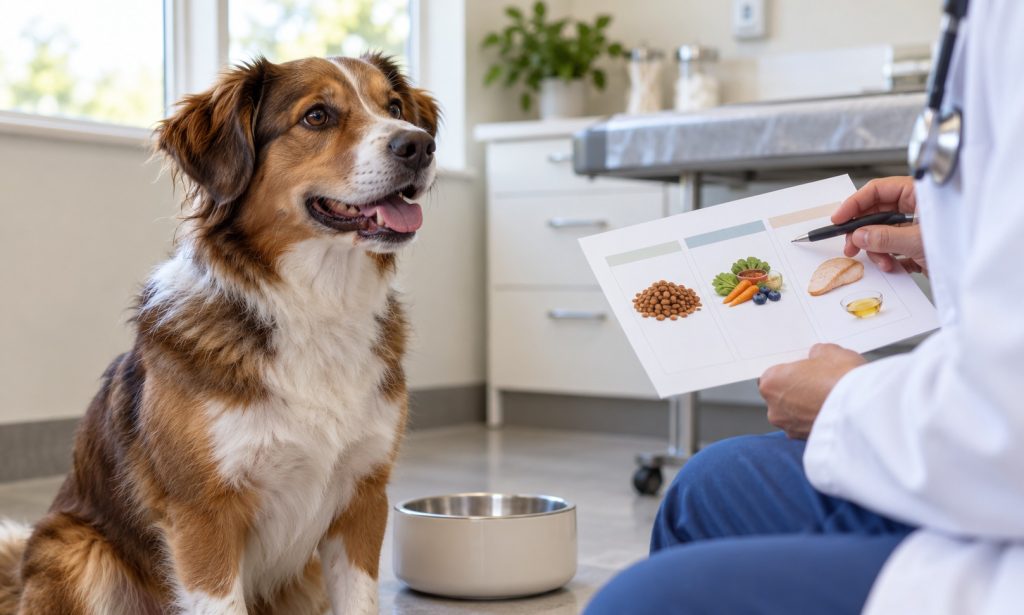
When a dog has recurring anal sac problems, food is one topic to discuss with the veterinarian—not a guaranteed fix. Stool consistency, body condition, allergies, diarrhea, constipation, and the underlying cause can all affect the plan. A veterinarian can decide whether a diet change, added fiber, testing, or another treatment is appropriate. Bring a clear history of meals, treats, stool changes, and previous episodes. If you are researching dog food for dogs with anal gland issues, use those options to prepare questions rather than switching foods on your own. Some dogs may benefit from a veterinarian-guided nutrition adjustment, while others need an exam or treatment first. Knowing what to ask helps you protect your dog’s comfort and avoid treating a painful condition as a simple feeding problem.
Why diet may come up during an anal sac visit
Anal sacs are small structures beside the anus. Under normal conditions, pressure during defecation helps empty them. Anal sac problems can include impaction, inflammation, infection, abscess, or, less commonly, a mass. Scooting, licking the area, odor, discomfort while sitting, or straining can have different causes, so a veterinarian should assess repeated or painful signs.
Cornell’s Riney Canine Health Center lists chronic diarrhea, constipation, obesity, low fiber, and allergic skin disease among possible risk factors for anal sac disease. Fiber can increase stool bulk, but the right diet depends on the dog and the diagnosis. Diet is only one part of veterinary care, and it cannot drain an impacted sac or treat an abscess.
If you have not already reviewed the warning signs and exam process, see our guide to signs of anal gland issues in dogs and what a veterinarian may check.
What information to bring to the appointment
Describe the pattern of symptoms
Note when scooting, licking, odor, swelling, or discomfort began and how often it occurs. Record whether symptoms appear before or after bowel movements, and whether your dog strains or seems painful. If you see blood, discharge, an open wound, or a lump, tell the clinic promptly. A photo can help show a change, but do not press or probe the area.
Bring a complete food and medication history
List every food, treat, chew, supplement, table scrap, and flavored medicine. Include amounts, how long your dog has eaten each item, and recent changes. Tell the veterinarian about medications, parasite prevention, allergies, and any previous diet trials. Bring package labels or clear photos so the team can review ingredients and feeding directions.
Track stool and body condition
Write down stool frequency, consistency, diarrhea, constipation, and any straining. Record recent weight changes and activity level. These details help the veterinarian assess whether a nutrition change is safe and whether another gastrointestinal problem may be involved. Avoid guessing at a fiber dose or adding several new foods before the appointment.
Questions to ask about feeding and fiber
- Could my dog’s stool pattern or body condition be contributing to the problem?
- Would a food with a different fiber profile be appropriate for this dog?
- Should we change the complete diet, adjust meal portions, or consider another plan?
- How slowly should I transition, and what stool or appetite changes should I record?
- Could a food reaction or another digestive condition be involved?
- Should any treats, supplements, or flavored medications change during the plan?
- When should we recheck, and what signs mean I should call sooner?
The veterinarian may explain that fiber type and amount matter, and that not every dog responds the same way. Avoid assuming that a food marketed for anal sac support is suitable or complete for your dog. If the veterinarian recommends a change, ask for the exact feeding amount, transition schedule, and follow-up date.
What a veterinarian may evaluate before changing food
A physical examination may include inspection of the area and a rectal exam. Depending on the findings, the veterinarian may express the sacs, examine discharge, assess infection or inflammation, or recommend further testing. The Merck Veterinary Manual describes diagnosis as commonly based on examination, with microscopy, imaging, or biopsy considered in selected cases.
Treatment depends on what the exam shows. A painful abscess or infection needs veterinary care; a nutrition discussion should not delay it. A firm or unusual lump, repeated recurrence, or persistent symptoms also deserves assessment. Do not attempt to express the sacs at home unless your veterinarian specifically teaches and recommends a safe method for your dog.
How to make a veterinarian-guided food change
Ask for the complete written plan before changing the bowl. Confirm the diet, daily amount, meal frequency, transition schedule, allowed treats, and what to do if your dog refuses food. If a gradual transition is recommended, follow the clinic’s schedule rather than a generic online chart. Some medical diets or diagnostic trials have specific requirements that differ from a routine food switch.
Change one factor at a time when possible. Keep a brief log of food, stool, symptoms, and medications. Call the veterinarian if the dog develops persistent diarrhea, vomiting, poor appetite, or worsening pain. Avoid home remedies, sudden fiber loading, or adding pumpkin or supplements without asking; additions can change calorie balance and may not suit a dog with another condition.
For readers comparing dog food for dogs with anal gland issues, the linked guide may help identify questions about diet features, but it cannot determine the right option for an individual dog. Your veterinarian should account for health history, nutritional needs, stool pattern, and any diagnostic plan.
When the problem needs prompt care
Seek veterinary advice promptly if your dog has severe pain, swelling, redness, blood or pus near the anus, a draining wound, trouble passing stool, fever, or sudden worsening. An abscess can be painful and may rupture. A veterinarian can determine whether the dog needs pain relief, drainage, medication, or another intervention.
If anal sac problems keep returning, ask about underlying skin or digestive disease, weight management, stool quality, and an appropriate recheck schedule. Recurrent signs do not automatically mean the diet is wrong. A complete assessment can prevent repeated changes that do not address the cause.
Frequently Asked Questions
Can changing food fix anal gland problems in dogs?
Sometimes nutrition is part of management, but food is not a universal fix. The veterinarian needs to assess the cause and decide whether a diet change may help.
Does more fiber always help a dog’s anal sacs?
No. Fiber needs and responses vary, and the wrong change may worsen digestive signs. Ask your veterinarian before adding fiber or supplements.
Should I stop treats during a diet change?
Ask the veterinarian which treats are allowed. Treats can affect calories, stool, and a diagnostic diet plan.
Can I express my dog’s anal glands at home?
Do not try without veterinary guidance. Pain, infection, or an abscess can make handling unsafe, and some dogs need medical treatment.
When is scooting an urgent concern?
Contact a veterinarian promptly for severe pain, swelling, bleeding, discharge, an open wound, or difficulty passing stool.
Final Words
Discuss symptoms, stool, weight, food, treats, and medications before changing your dog’s diet. Ask whether fiber or a different feeding plan fits the diagnosis, how to transition, and when to recheck. Food can support a broader plan, but it does not replace an exam or treatment for painful anal sac disease. If you are reviewing dog food for dogs with anal gland issues, use it to organize questions for your veterinarian. A tailored plan helps address the cause while keeping your dog comfortable and nutritionally supported.









