
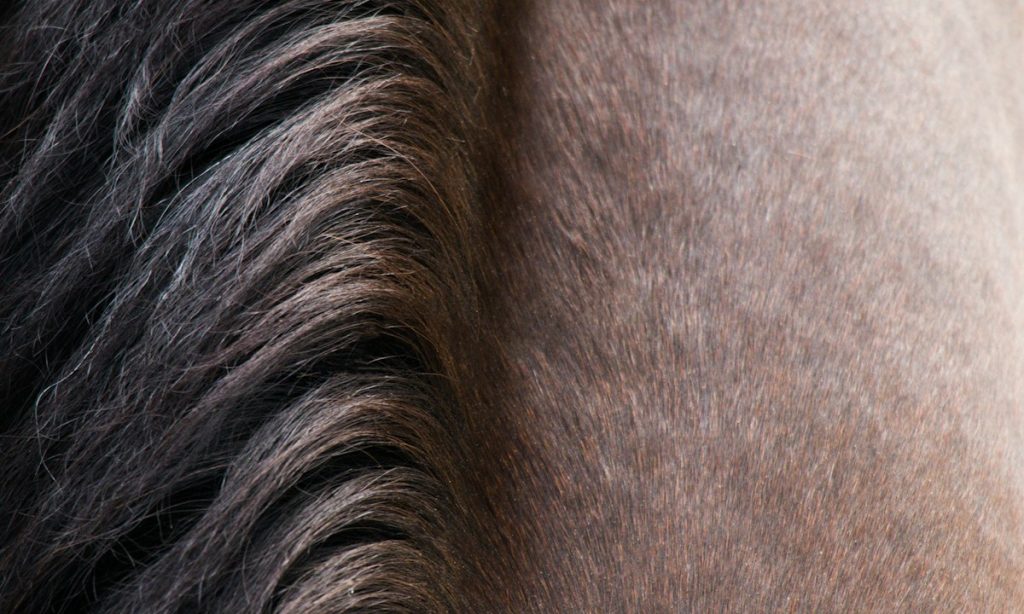
What to look for in a horse shampoo for hair growth begins with a simple distinction: shampoo cleans hair and skin, but it cannot reliably make mane or tail hair grow faster. Good washing habits can reduce grime, irritation, and avoidable tangles that lead to breakage. Strong growth claims are therefore less useful than a clear ingredient list, suitable cleansing strength, and a comfortable rinse.
A healthy mane depends on more than the bottle used at bath time. Genetics, grooming technique, skin health, nutrition, and friction all influence the appearance of length and fullness. This guide explains how to read a shampoo label, assess gentle cleansing, identify warning signs, and plan an easy grooming routine. The goal is healthier-looking hair through sensible care, without promising a medical result a cosmetic cleanser has not demonstrated.
Understand Hair Growth Versus Hair Retention
Hair grows from follicles in the skin, while shampoo works mainly on the exposed hair shaft and surface. Washing away sweat, dirt, and residues may make strands easier to separate and groom. It does not establish that a product increases the rate of follicle growth. When hair breaks near the ends, a mane can seem to grow slowly even when the follicles continue their normal cycle.
Consider the horse’s actual problem before evaluating a label. Is the mane snapping from rubbing, becoming knotted in turnout, or thinning at the roots? Is the tail losing strands, or does dirt simply make it appear smaller? These patterns call for different responses. A cosmetic wash may help with cleaning, but itching, skin inflammation, and bald patches deserve a veterinarian’s attention rather than another growth slogan.
Look for Clear, Horse-Specific Labeling
A useful grooming label identifies that the product is intended for horses and explains how to dilute, apply, and rinse it. Review the complete ingredient list, warnings, contact-time directions, and storage instructions. If a label makes a special growth claim without explaining what was measured, regard it cautiously. Words like natural, botanical, or premium do not automatically establish safety, gentleness, or effectiveness.
What to look for in a horse shampoo for hair growth also includes checking whether the formula is a routine cleanser or a medicated product. Medicated washes have different indications and should not be selected solely because the horse has thin hair. If the skin looks abnormal, ask a veterinarian what is causing it before using a treatment formula. Keep the label available so a professional can evaluate any suspected reaction.
Assess Cleansing Strength and Rinsability
A shampoo must remove soil without making the grooming experience unnecessarily harsh. Very concentrated formulas may require accurate dilution, while others are designed for direct application. Follow the individual manufacturer’s instructions. More suds do not prove better cleaning. A residue that remains after rinsing can make the mane feel sticky or attract new dirt, so ease of rinsing matters for regular use.
Test the routine on a manageable area and observe the horse’s response. Wet the coat thoroughly when directed, work carefully around sensitive areas, and rinse until the water runs clear and the hair no longer feels coated. Avoid shampoo in eyes, ears, and nostrils. Do not assume frequent washing is harmless; adjust the schedule to the weather, workload, skin condition, and how dirty the horse becomes.
Consider Fragrance and Sensitive Skin
Fragrance can make a wash pleasant to its human handler, but it is not necessary for hair cleaning. A horse that develops redness, scratching, or discomfort after bathing needs the grooming routine reviewed. Fragrance-free does not guarantee a reaction-free wash, and plant extracts can also irritate sensitive individuals. Look for transparent ingredients and straightforward warnings instead of treating unfamiliar botanical names as proof of gentleness.
If the horse frequently rubs its mane, the source may be insects, allergies, infections, parasites, or another skin problem. The site’s guide to how veterinarians diagnose itchy skin in horses describes veterinary evaluation of itchy skin in horses. Continued hair loss, scabs, discharge, or crusted skin should not be managed with cosmetic experiments. A veterinarian may recommend diagnostic testing or a specific therapeutic wash when appropriate.
Protect the Mane and Tail During Washing
The mechanical part of grooming matters. Large tangles can tighten when scrubbed or pulled. Gently separate sections by hand before washing when practical. Use slow motions rather than vigorous twisting, and do not brush wet, knotted strands aggressively. A clean mane that is repeatedly broken by rough handling will not maintain length, regardless of what the shampoo label promises.
After rinsing, remove excess water carefully and let the hair dry in a safe, clean setting. Choose grooming tools that glide without catching and work through knots from the ends toward the roots. Avoid tight bands, constant rubbing from tack or blankets, and uncontrolled mane pulling. FYI, a spotless tail is not a victory if half its strands end up on the barn floor. Gentle handling helps preserve existing length.
Evaluate the Whole Care Routine
Nutrition influences the growth of skin and hair, but supplements cannot correct every cosmetic concern. A balanced ration, sufficient forage, appropriate protein, and attention to mineral intake deserve review before adding concentrated products. The guide on choosing a coat supplement for horses explains how coat-related nutrition decisions fit into the larger feeding picture. Assess any proposed dietary change with a veterinarian or equine nutritionist instead of assuming a single nutrient explains a thin mane.
Also consider turnout fencing, scratching points, biting insects, grooming frequency, and seasonal shedding. A horse with a normal shedding pattern may look different throughout the year. Keep periodic photographs under similar lighting to understand trends without exaggerating small day-to-day changes. What to look for in a horse shampoo for hair growth is only one element of the care plan; practical management often matters just as much.
Know When Shampoo Is Not Enough
Consult your veterinarian if mane or tail hair falls out in patches, the skin appears crusted or painful, the horse rubs excessively, or the changes occur suddenly. Abnormal itching can arise from multiple causes that need different management. The site’s overview of early signs of itchy skin in horses helps explain which symptoms deserve examination. Avoid masking these signs with heavy conditioners, repeated washing, or unapproved medicated ingredients.
Do not use a cosmetic wash on broken skin unless the veterinarian says it is suitable. When a prescribed skin treatment is needed, follow its own instructions rather than combining it with other shampoos. Photograph the affected area before washing if this helps the veterinarian see the original problem. The right response protects comfort and skin health; it does not depend on finding a cleanser marketed as a hair-growth cure.
Frequently Asked Questions
These answers focus on selecting a routine grooming shampoo while keeping expectations realistic. They are not medical instructions for treating abnormal hair loss or skin disease. A veterinarian should evaluate persistent irritation or sudden thinning.
Take the label with you when discussing a skin concern, particularly if several grooming products have been used. Recording the date of a new shampoo can help identify a possible reaction, although timing alone does not establish the cause.
Can shampoo make a horse’s mane grow faster?
No reliable evidence shows that ordinary shampoo alone speeds hair growth. Good cleansing and gentle grooming may reduce tangling and breakage, helping the mane retain the length it already grows.
Is a stronger cleaning formula better for long hair?
Not necessarily. A strong cleanser or poor rinsing can leave the hair difficult to manage. Follow the product directions and focus on comfort, cleanliness, and thorough rinsing.
Should I choose a medicated shampoo for a thinning mane?
Not without a diagnosis. Skin irritation, parasites, and other conditions require different care. Ask a veterinarian before using a medicated wash for an unexplained problem.
How often should I wash the mane and tail?
There is no universal schedule. Adjust to dirt, weather, exercise, and the horse’s skin while avoiding unnecessary repeated washing. Follow any veterinary instructions for sensitive skin.
What if my horse starts itching after a bath?
Stop using the suspected product, rinse appropriately if advised, and contact your veterinarian if irritation persists or is severe. Keep the label and note other products used.
Final Words
What to look for in a horse shampoo for hair growth is really a checklist for safe cleansing and hair retention. Prioritize clear equine labeling, manageable ingredients, appropriate dilution, thorough rinsing, and careful grooming technique. Do not rely on unverified promises that shampoo accelerates hair growth.
A horse shampoo for hair growth should not replace attention to diet, mane friction, insect exposure, and skin health. Use how veterinarians diagnose itchy skin in horses when persistent scratching or patchy hair loss raises concerns, and involve a veterinarian rather than treating a cosmetic cleaner as a medicine. Consistent, gentle care is the more defensible route to a well-kept mane and tail.









