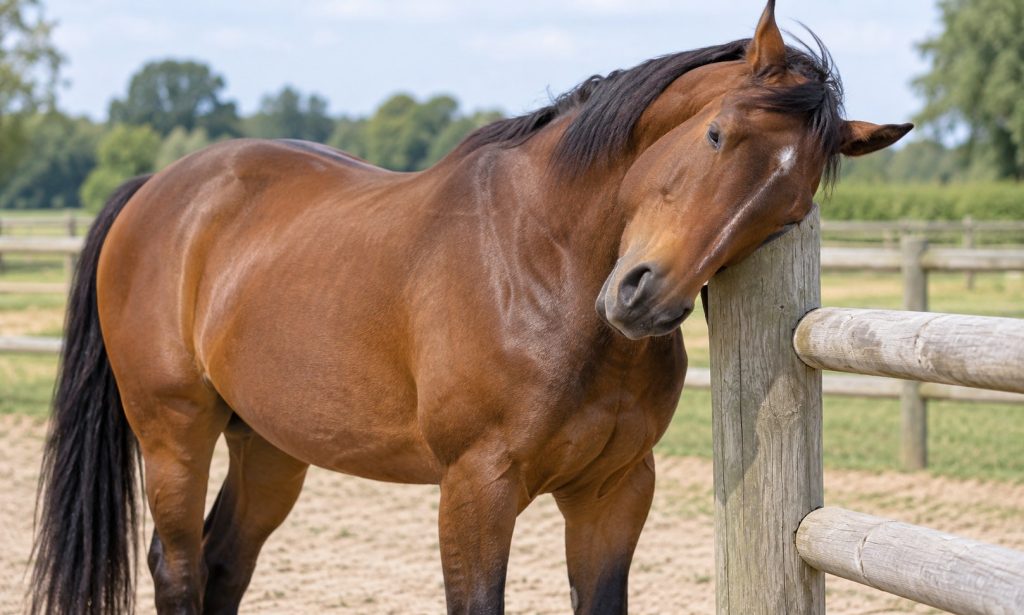
Navicular syndrome is one possible explanation for ongoing foot pain and lameness, but an owner cannot confirm it from a single sign. The term describes pain involving structures in the back part of the hoof, including the navicular bone and nearby soft tissues. Similar changes in stride can come from other hoof, limb, or musculoskeletal problems, so veterinary assessment matters before changing work, shoeing, or diet. If you are considering feed for horses with navicular, first clarify what is causing the horse’s discomfort with your veterinarian. This guide covers signs you may notice, what information to record, and common parts of a veterinary lameness workup. It does not diagnose a horse or replace an examination.
What “navicular” means
People often use “navicular disease” as a catch-all, but veterinarians commonly use the broader term navicular syndrome for pain or pathology involving the navicular apparatus. That region includes the navicular bone and associated structures such as the bursa, ligaments, and deep digital flexor tendon. Which structure is involved can vary, and imaging findings do not always explain the whole clinical picture by themselves.
Because multiple structures sit close together inside the hoof, foot pain can be challenging to localize. A horse may have navicular-region pain, another painful hoof condition, or more than one problem at once. The pattern can guide an exam, but it cannot establish the cause on its own.
Signs an owner may notice
- Intermittent or persistent lameness: The horse may appear uneven, especially during work, on a circle, or on firmer ground. Some cases are subtle and fluctuate.
- Shortened stride or reluctance to move forward: A horse may take shorter steps, feel less willing, or seem uncomfortable turning or working on particular footing.
- Toe-first landing: Heel pain can lead some affected horses to land toe-first rather than placing the foot evenly. This is a clue, not proof of navicular syndrome.
- Uneven weight bearing: The horse may shift weight, rest a foot, or stand in a way that seems protective. These signs can also occur with other painful conditions.
- Changes in performance: A horse may resist transitions, become less balanced, or have trouble maintaining its usual work. Tack, training, back pain, and other causes should also be considered.
Signs can be hard to see at rest and easier to notice during movement. If the lameness is sudden, severe, worsening, or accompanied by heat, swelling, a wound, or a hoof puncture, contact a veterinarian promptly. A hoof abscess and other urgent problems can cause marked pain and need timely attention.
What to record before calling
Note when the problem began, which limb seems affected, whether the change is constant or intermittent, and what surfaces or activities seem to alter it. Record recent shoeing or trimming, workload changes, turnout conditions, and any previous lameness or imaging. A short video of the horse walking in a straight line may help your veterinarian understand what you observed, but do not exercise a painful horse to capture footage.
Do not give medication, apply a corrective shoeing device, or substantially change the horse’s exercise plan without veterinary guidance. Pain relief can alter signs during an examination, and medication choices may depend on the horse’s health, competition status, and other treatments. Keep the horse comfortable and restrict activity if movement worsens the lameness while arranging advice.
What a veterinarian may check
History and physical examination
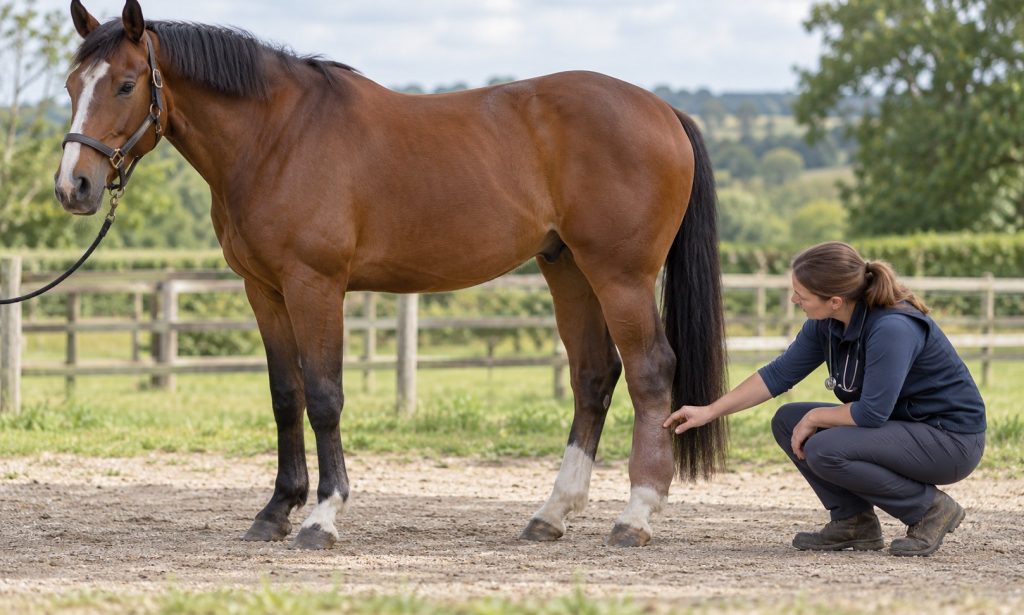
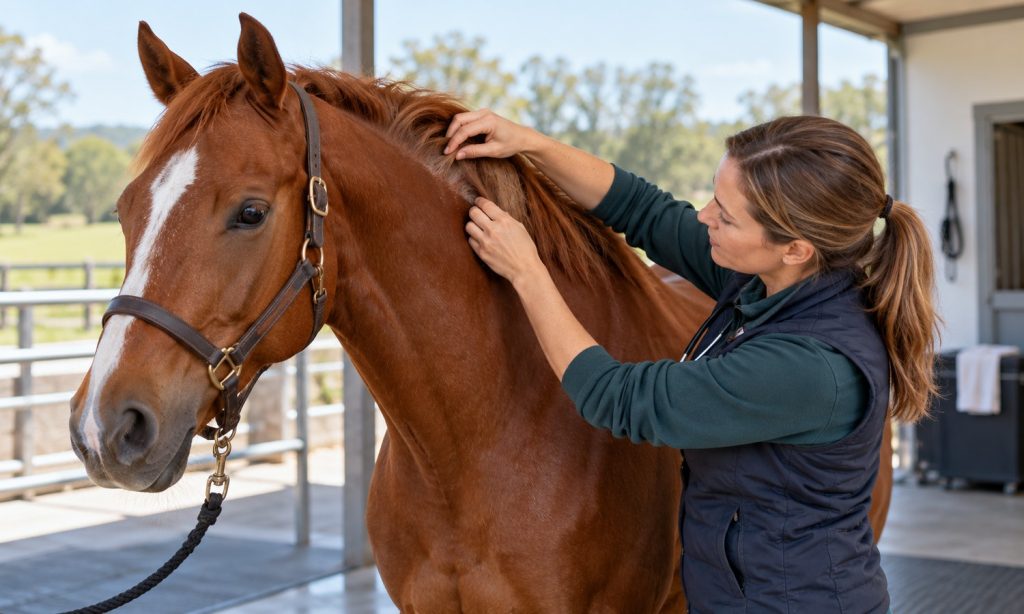
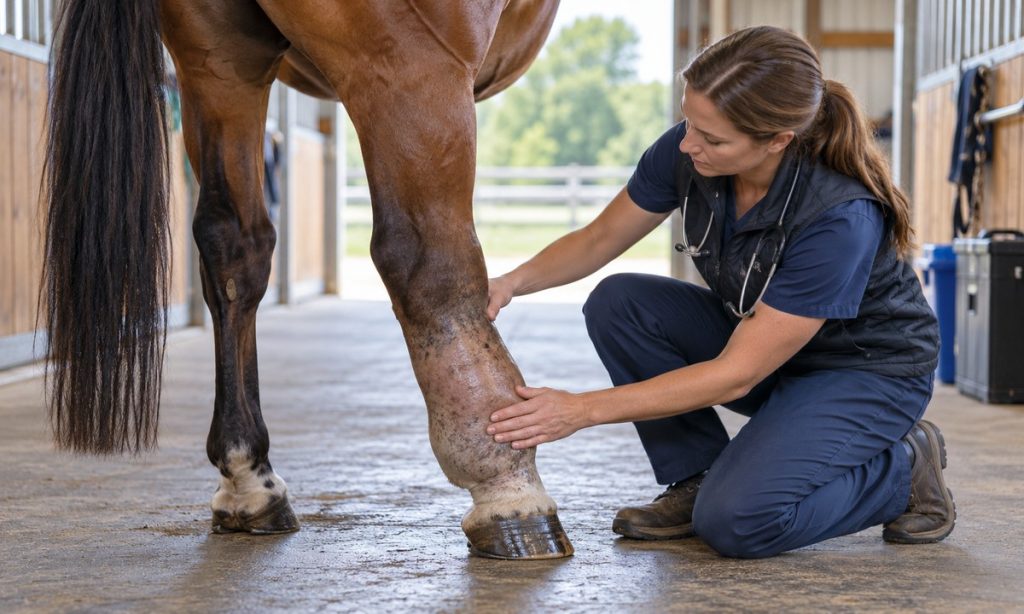
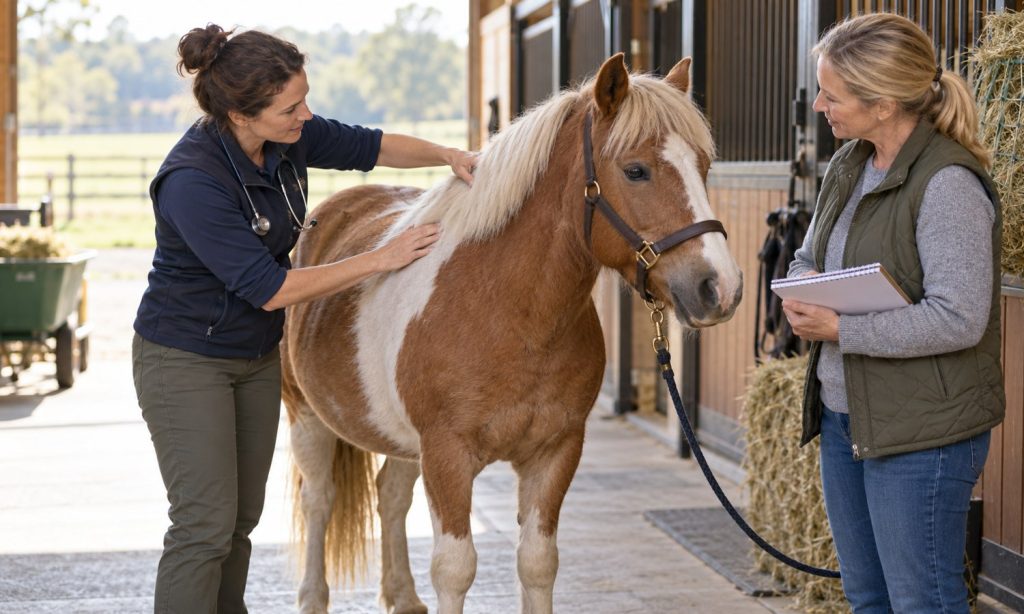
The veterinarian will ask about the timeline, workload, footing, farrier care, previous injuries, and any treatment already given. They may assess the horse standing and moving, examine the limbs and feet, and compare the two sides. The exam helps determine whether the problem is likely to come from a foot and which area needs closer evaluation.
Gait and lameness assessment
A structured lameness exam may include watching the horse walk and trot in a straight line and, when safe and appropriate, on a circle or different surfaces. The veterinarian may assess how the horse loads and places each foot. They choose the exam conditions based on the horse’s comfort; an owner should not force a painful horse to trot or circle.
Hoof examination and diagnostic tests
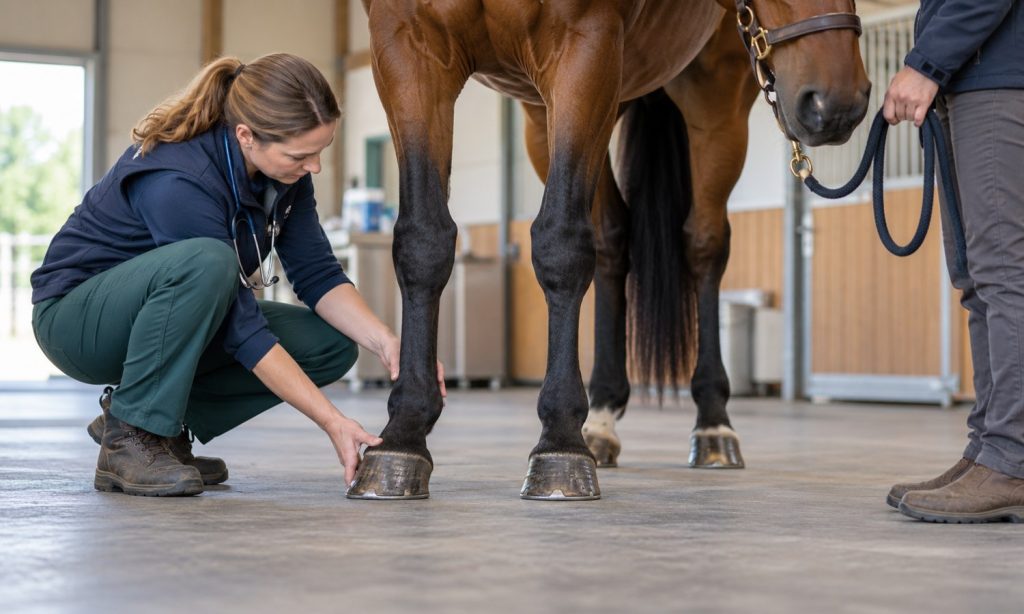
The veterinarian may use hoof testers to assess responses in different parts of the foot and may perform flexion tests or other maneuvers as appropriate. If the source is not obvious, diagnostic nerve or joint blocks may be considered to temporarily numb selected areas and see whether the gait improves. These tests are performed by a veterinarian and interpreted alongside the rest of the exam.
Imaging
Radiographs can show bone shape and some changes in the hoof, but they do not display every soft-tissue structure. Depending on the findings and the clinical question, the veterinarian may recommend additional imaging such as ultrasound, MRI, or another modality. The choice depends on what needs to be evaluated, what is available, and whether the result would change a management plan. Imaging is interpreted with the history and lameness findings rather than as a stand-alone diagnosis.
Questions to ask about next steps
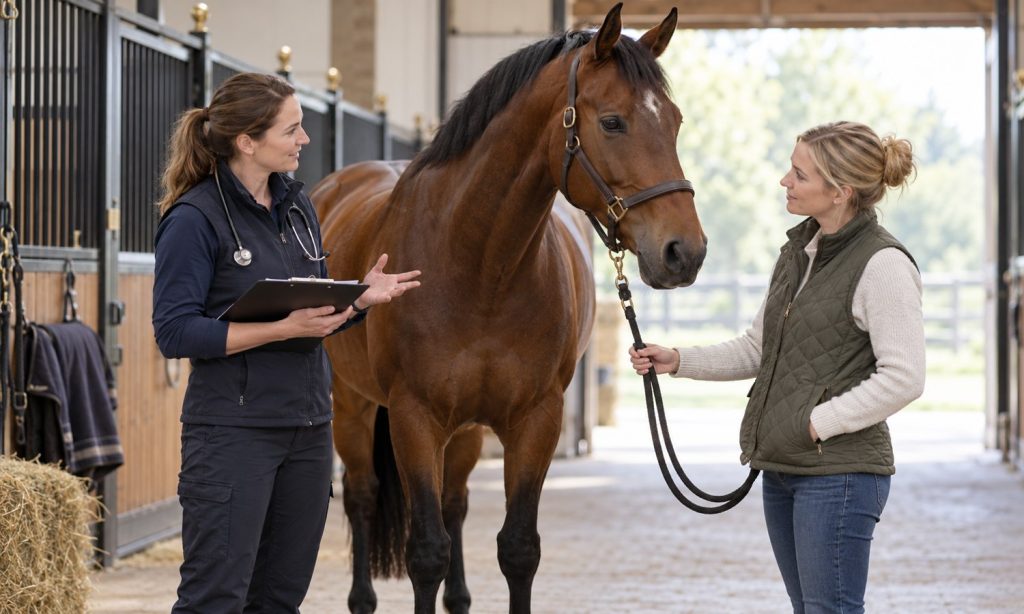
Ask what the veterinarian believes is the source of pain, which findings support that assessment, and whether additional tests would meaningfully narrow the diagnosis. Discuss the horse’s current comfort, safe activity level, farrier coordination, and when to recheck. A veterinarian and farrier may coordinate hoof balance and shoeing choices, but the plan should match the specific horse and diagnosis rather than a generic “navicular” label.
Nutrition can support overall health, but a feed cannot confirm or cure navicular syndrome. If diet changes are being considered, review the horse’s full ration, body condition, workload, and any metabolic concerns with an equine veterinarian or qualified nutrition professional. Our overview of feed for horses with navicular addresses the product category; it should not replace diagnosis or individualized advice.
Frequently Asked Questions
Does toe-first landing mean a horse has navicular syndrome?
No. Toe-first landing can be associated with heel pain, but it is not specific to navicular syndrome. A veterinarian needs to evaluate the horse and consider other causes of lameness.
Can navicular syndrome affect one foot or both?
Either pattern may occur. The veterinarian will assess both sides and compare how the horse moves rather than assuming the problem is limited to one foot.
Will an X-ray confirm navicular syndrome?
Radiographs can help assess bone features, but they do not show every structure in the navicular region and may not fully explain the horse’s pain. The veterinarian interprets imaging with the examination and history.
Should I keep riding while I wait for an appointment?
Ask your veterinarian for activity guidance. If exercise makes the horse more painful or lame, stop the work and arrange advice rather than trying to train through it.
Can special feed treat navicular syndrome?
Feed does not diagnose or treat the underlying cause of lameness. A balanced ration may support general health, but nutrition decisions should fit the horse’s condition and veterinary plan.
Final Words
Shortened steps, toe-first landing, uneven movement, and changes in willingness can alert you to foot pain, but they do not identify its cause. Keep a clear history, avoid working a painful horse, and let a veterinarian decide which examination or imaging is appropriate. Coordinate any farrier or nutrition changes with that assessment. If you are comparing feed for horses with navicular, use that information only as a starting point for a conversation about the horse’s full diet and diagnosis. Early, specific evaluation gives you a better basis for comfort and management decisions.