
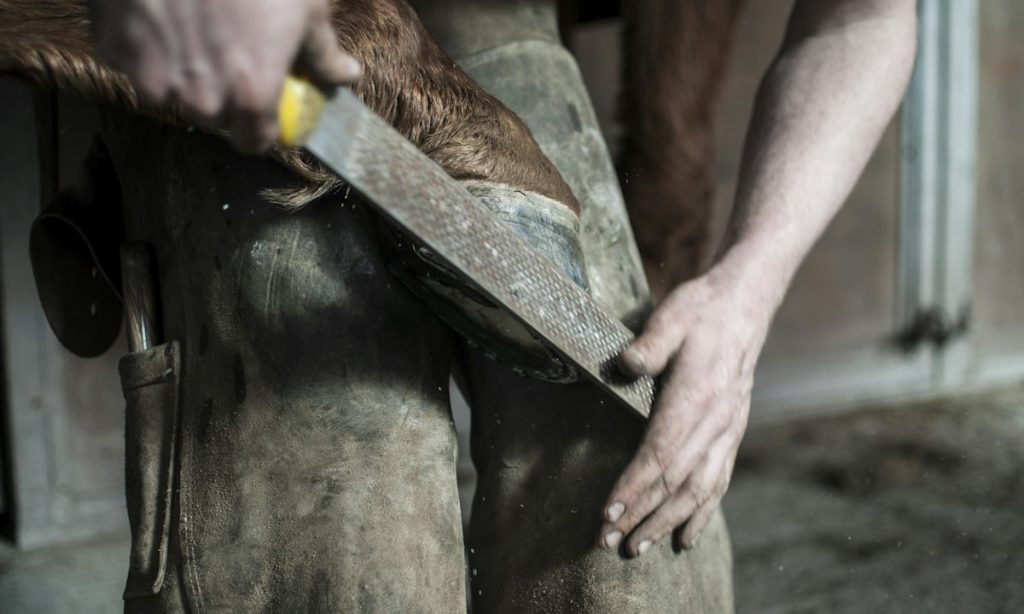
When a horse suddenly refuses to bear weight, a hoof abscess may be responsible. The urgent question is rarely which medicine to buy. Most uncomplicated abscesses need examination, drainage, protection, and pain management rather than antibiotics. Learning how to choose the right antibiotic for horse hoof abscess begins with understanding when the drug is unnecessary. An equine veterinarian distinguishes a localized pocket of pus from deeper infections and penetrating injuries.
A hoof abscess can resemble a fracture, laminitis, or another serious cause of lameness. Owners should not dig into the sole or start leftover medication. This guide explains how a veterinarian makes treatment decisions, which signs need urgent attention, and how to protect the hoof during healing. It also explains how responsible antibiotic use protects both individual horses and the effectiveness of future treatment.
Diagnosis Comes Before an Antibiotic Decision
A typical hoof abscess is trapped pus beneath the hard hoof capsule. Pressure can create severe pain even if the infection is relatively superficial. A veterinarian considers the horse’s history, temperature, degree of lameness, digital pulse, and pain on hoof testing. They may remove a shoe or pare small amounts of horn to identify a drainage tract. Radiographs may be necessary when the location is uncertain or the response to treatment is poor.
Other conditions can look similar. A nail puncture may introduce bacteria into vital structures. A fracture can cause sudden non-weight-bearing lameness, while laminitis often changes the pattern of pain and weight shifting. Swelling spreading up the leg can indicate cellulitis rather than a simple localized abscess. Read how veterinarians diagnose cellulitis in horses to understand why the distinction matters. Do not assume a hot hoof is a diagnosis.
Why Most Hoof Abscesses Do Not Require Antibiotics
The central treatment for a simple abscess is to release trapped pressure through safe drainage. The veterinarian aims to preserve as much normal hoof horn as possible while creating a route for pus to escape. Merck Veterinary Manual guidance explains that systemic antimicrobials are generally unnecessary unless infection has extended into deeper tissues. Giving antibiotics does not substitute for drainage and may bring adverse effects without improving a routine case.
Consequently, how to choose the right antibiotic for horse hoof abscess sometimes has a straightforward answer: none is indicated. The professional care plan may involve controlled drainage, a clean protective dressing, a suitable hoof boot, and veterinary pain medication. Comfortable weight bearing should gradually return when pressure is relieved. If the horse remains severely lame, the next step is reassessment, not automatically switching to another antibiotic.
Situations That Change the Treatment Plan
Complicated infections are different. An infected puncture, suspected bone involvement, infection of a joint or tendon sheath, or rapidly spreading soft-tissue infection may require antibiotics and other urgent treatment. Fever, pronounced limb swelling, an embedded object, persistent discharge, or continued severe pain raise concern. Owners cannot reliably judge how deep a puncture is by looking at its surface. An embedded object should not be pulled before veterinary advice.
When an antibiotic is warranted, the veterinarian considers which tissues are involved and how urgently treatment must begin. Sampling for bacterial culture and susceptibility may help in selected cases. Imaging, surgery, or targeted procedures can matter more than a drug name. Even a sensible drug choice may fail if infected material remains trapped. Do not delay urgent assessment while searching online for medicine.
How Veterinarians Select and Monitor Medication
The clinical decision includes likely infectious organisms, location, severity, previous drug exposure, other diseases, and concurrent medications. The veterinarian also weighs the safest route of administration and possible adverse reactions. Some medicines commonly used in one species are dangerous in another. There is no universal antibiotic that owners should start for every sore hoof, and no safe one-size-fits-all dose.
Ask what diagnosis the medicine is treating, how long treatment is expected to last, and which change indicates improvement. Report appetite changes, loose manure, swelling, allergic signs, or colic immediately. Follow storage, administration, and withdrawal instructions where applicable. Do not shorten or extend a prescribed course without speaking to the clinician. How to choose the right antibiotic for horse hoof abscess is a veterinary judgment grounded in examination findings.
Protecting the Hoof After Drainage
After professional drainage, a clean dressing helps keep debris out of the opening while it heals. A protective hoof boot may be useful when recommended and fitted correctly. Change contaminated dressings as instructed and provide a clean, dry resting area. Do not pack the hole with an unapproved substance. The guide to safe use of hoof care products explains why adding treatments without a clear purpose can make hoof care harder.
Observe the horse at consistent times each day. Note appetite, comfort, drainage, heat, and whether the bandage is secure. Keep the written plan where everyone caring for the horse can see it. Avoid repeatedly soaking the hoof unless the veterinarian recommends it, because excess moisture can soften tissues. Ask when normal exercise, turnout, and farrier work may resume. Recovery varies with the depth and location of the infection.
Warning Signs and Prevention
Call a veterinarian promptly when a horse cannot bear weight, has obvious swelling higher up the limb, stops eating, develops fever, or has a suspected puncture wound. If drainage does not lead to expected improvement, professional reassessment is important. A painful hoof can signal a serious lesion requiring imaging. The article on early signs of laminitis in horses covers another urgent condition with overlapping warning signs.
Routine hoof picking, consistent farrier care, and removal of sharp debris can lower certain risks. Keep stalls and turnout areas reasonably dry and inspect hooves after difficult footing. Review the horse’s tetanus protection with the veterinarian after hoof injuries. Repeated abscesses in the same area deserve investigation for structural problems, foreign material, or underlying disease. Good prevention is useful but never replaces timely treatment.
Frequently Asked Questions
Owners understandably want a quick answer when their horse is in pain. These frequently asked questions focus on the first decisions that matter most. They are educational answers, not a diagnosis or a replacement for veterinary examination and case-specific instructions.
Keep a simple record of examination findings, prescribed medication, dressing changes, and follow-up dates. This helps a care team notice changes and prevents accidental duplicate treatments. Ask the attending veterinarian to clarify anything that seems uncertain.
Does every horse hoof abscess need antibiotics?
No. Most uncomplicated superficial abscesses do not require systemic antibiotics. Proper professional drainage and protecting the hoof are more important. An unusual or complicated case may be different.
Can I use leftover antibiotics?
No. A leftover prescription may be inappropriate, contaminated, expired, or incorrectly dosed. Using it can delay diagnosis and cause harm. Ask your equine veterinarian what treatment is necessary.
How quickly should lameness improve?
Comfort often improves markedly once adequate drainage is established, but timing varies. Severe or persistent lameness deserves veterinary reassessment, especially if the hoof remains painful after the first treatment.
What symptoms suggest a serious infection?
A puncture wound, fever, swelling extending up the leg, worsening pain, or systemic illness requires urgent veterinary assessment. Deep structures may be involved even when the surface opening looks small.
Should tetanus vaccination be reviewed?
Yes. Tetanus protection is important with hoof wounds. Tell your veterinarian the horse’s vaccination history and follow their advice about boosters or additional protection.
Final Words
How to choose the right antibiotic for horse hoof abscess begins with deciding whether antibiotics are needed at all. In uncomplicated cases, drainage, hoof protection, and veterinary follow-up are the main priorities. When infection spreads or involves deeper structures, a veterinarian must select treatment according to the actual diagnosis.
Treat sudden severe lameness seriously, and never rely on leftover prescriptions. Discuss an antibiotic for horse hoof abscess with your veterinarian only after an assessment establishes a reason to use one. Careful monitoring and timely rechecks give the horse a better chance of comfortable healing without unnecessary medication.
Reference
These veterinary and educational resources explain why drainage is central and why antibiotic decisions differ between superficial and deeper infections. Their general information should be interpreted alongside a veterinarian’s examination of the individual horse.
The sources also support the importance of monitoring comfort, protecting the drainage opening, and checking tetanus protection. They are not instructions to prescribe or administer medicine independently.









