
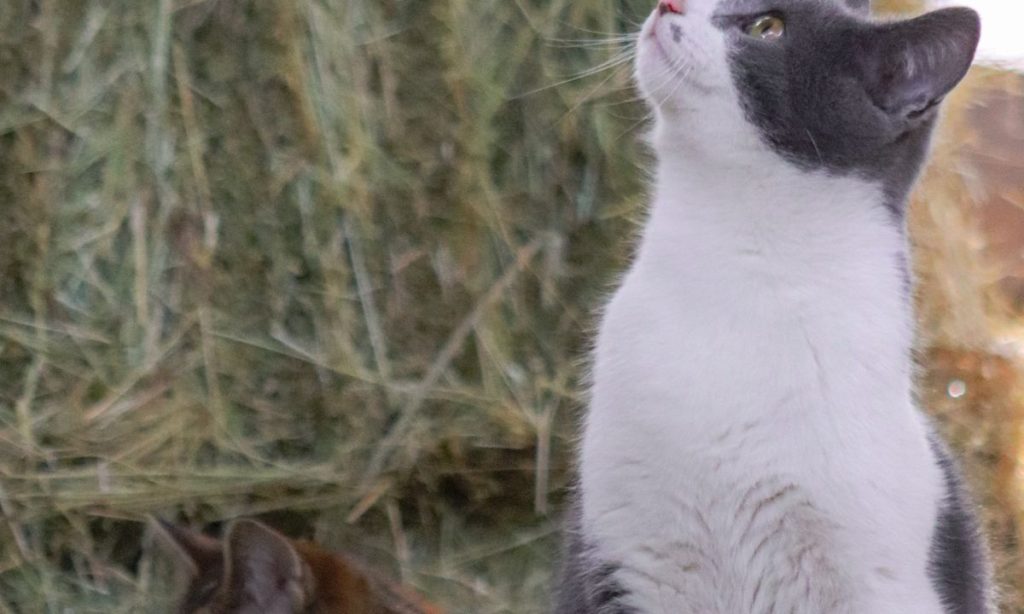
Learning how to reduce flea and tick risks in a pet’s home or barn starts with the places animals sleep, travel, and meet wildlife. Fleas thrive through several life stages in protected surroundings, while many ticks wait in brush, tall vegetation, and leaf litter. A tidy environment cannot guarantee that parasites disappear, but it makes prevention more manageable. Homes and barns need different routines because of bedding materials, stalls, outdoor access, and the species sharing the space.
This guide explains how to reduce flea and tick risks in a pet’s home or barn through sanitation, habitat changes, inspections, and veterinary prevention. A page about waterless flea shampoo for cats may clarify one cat-grooming format, yet shampoo is not a stand-alone plan for a home, horse barn, or multi-species property. Build a repeatable checklist around your animals’ actual exposure, then seek professional advice for persistent infestations or uncertain chemical safety.
Know where fleas and ticks behave differently
Adult fleas feed on animals, while eggs can fall into rugs, pet beds, stall bedding, or other protected spaces. Larvae and pupae remain in the environment, which helps explain why adults may appear again after initial cleaning. Ticks often wait on grasses, shrubs, or other vegetation for a passing host. Some species can also persist near kennels and buildings. These differences matter because removing one visible parasite cannot address all the places where exposure occurs.
Inspect where pets spend the most time instead of spraying every surface indiscriminately. Check sleeping areas, shaded outdoor spots, barn entries, fence lines, and paths between a stall and a pasture. Flea dirt on pet bedding and attached ticks after outdoor walks are useful warning signs. For owners planning how to reduce flea and tick risks in a pet’s home or barn, understanding the parasite’s habitat guides more effective everyday work.
Build a simple cleaning routine for the home
Vacuum floors, carpet edges, sofas, pet beds, and furniture gaps frequently when flea activity is suspected. Dispose of vacuum contents carefully according to the machine’s instructions. Wash washable bedding and blankets using appropriate fabric guidance and dry them completely. Clean the areas underneath resting furniture, not only the exposed floor. Flea eggs and juvenile stages may collect where animals spend time. Continue sanitation during veterinarian-directed treatment because pupae may survive early efforts.
Keep entryways, carriers, and shared pet bedding on the checklist. In multi-animal homes, separate grooming tools when skin disease is suspected and ask a veterinarian how to manage exposure. Our existing article on home flea removal and reinfestation prevention covers home-specific infestation management in more detail. This article adds the outdoor and barn considerations that matter for properties with more space. The home component of how to reduce flea and tick risks in a pet’s home or barn should be consistent, practical, and focused.
Improve barn cleanliness without harming animals
Remove soiled stall bedding on an appropriate schedule and keep dry replacement material in clean storage. Avoid piles of discarded blankets, dirty mats, or other sheltered clutter around the building. Store feed securely to discourage rodents and wildlife, and clean spills promptly. Inspect cat resting nooks, dog beds, tack-room corners, and areas around hay storage. A barn may house cats, dogs, horses, and other species with different sensitivities, so sanitation is safer to standardize than insecticide use.
Keep ventilation and drainage in good condition, and repair access points where unwanted animals regularly enter. Avoid spraying feed, hay, water troughs, animals, or occupied stalls with unapproved chemicals. Ask an agricultural extension professional or veterinarian about pest control suitable for the species and facility. Horses, poultry, cats, and dogs cannot safely share one generic pesticide protocol. When considering how to reduce flea and tick risks in a pet’s home or barn, species separation is an important safeguard.
Reduce tick habitat along the property edges
Mow frequently used grassy areas and clear tall brush where animals or people walk. Remove excess leaf litter from paths and barn entries where practical. Keep wood and unused materials neatly stacked away from recreation areas. Create defined walking routes rather than letting pets travel through dense undergrowth. The CDC recommends reducing tick habitat around homes, including yard edges. Vegetation management decreases contact opportunities, but it does not make a field or pasture completely tick-free.
Check fences, shrubs, and transitions between pasture and woodland. Discourage repeated visits from unwanted wildlife without placing animals or the environment at risk. Tick habitat control should be paired with individual checks because parasites can arrive on pets, clothing, and equipment. During seasonal peaks, give high-risk areas more attention without ignoring year-round exposure where climate permits. These landscaping steps add a distinct outdoor element to how to reduce flea and tick risks in a pet’s home or barn.
Inspect pets after outdoor time
Check dogs and cats after visiting brush, fields, or barn surroundings. Look around ears, under collars, between toes, near the tail, and where legs join the body. Use a fine-toothed flea comb for suspected fleas, and inspect for dark flea dirt. The site’s guide to recognizing fleas on dogs describes signs on dogs. Ticks may be tiny or partly hidden by long coats. Examine yourself and family members after outdoor work because ticks can transfer on clothing and gear.
If a tick is attached to a pet, ask a veterinarian about safe removal and follow-up. Do not use heat, oils, or home chemical tricks to make ticks detach. Watch for fever, weakness, appetite changes, or other illness after exposure and contact a veterinarian as needed. For persistent itching or heavy flea loads in dogs, when a dog’s flea problem needs veterinary care explains when veterinary evaluation is important. Regular inspection is central to how to reduce flea and tick risks in a pet’s home or barn.
Use only species-appropriate parasite prevention
Ask a veterinarian to select preventive care for each animal’s species, age, weight, medical conditions, and likely exposure. A cat, dog, or horse may require entirely different guidance. Never apply a dog-only flea product to a cat, especially one with ingredients unsafe for feline use. Do not combine treatments to speed results or apply products to barn livestock unless the label expressly permits that species and situation. Store pesticides away from feed, water, children, and animals.
Environmental treatment may be appropriate for some infestations, but it should be planned rather than improvised. A licensed pest-control professional can assess the property and select labeled products or nonchemical measures. Read labels carefully and observe restrictions for animals returning to treated areas. Our article on questions about flea sprays around cats provides background questions, not treatment directions. Safe selection is one of the most important parts of how to reduce flea and tick risks in a pet’s home or barn.
Respond to infestations and track the result
If fleas persist indoors or in barn cats, coordinate pet treatment with regular environmental cleaning. Flea life stages can resist a single round of control, so several weeks of monitoring may be needed. Follow the veterinarian and licensed applicator’s instructions instead of repeating sprays on a guessed schedule. Track which pets show itching, where flea dirt appears, and whether new ticks are attached after outdoor access. A simple dated log can show which locations need attention.
Request veterinary care for animals with pale gums, marked weakness, open skin lesions, severe itching, or unusual behavior. Heavy flea burdens can be especially dangerous for kittens. Ask an agricultural veterinarian about parasite concerns affecting horses or other barn animals; symptoms and preventive options differ by species. Do not use a pet’s shampoo as a barn treatment. How to reduce flea and tick risks in a pet’s home or barn requires a coordinated response that matches both the parasites and the animals.
Frequently Asked Questions
These answers address prevention across indoor rooms, outdoor spaces, and working barns. The correct routine will vary with climate, animal species, and local parasite pressure.
Environmental changes reduce exposure but cannot guarantee zero bites. Continue the veterinarian-recommended prevention plan and inspect animals after higher-risk activities.
Can frequent vacuuming alone eliminate a flea infestation?
Not reliably. Fleas have several life stages, so ongoing cleaning usually must accompany appropriate pet treatment and, when needed, professional environmental control.
Should I spray the entire barn to prevent ticks?
No. Unnecessary spraying can expose animals, feed, and people to chemicals. Consult a licensed professional and follow species-specific labeled directions.
Are indoor pets safe from ticks?
Not completely. Ticks can enter on other animals, clothing, and equipment. Check pets when household exposure is possible.
Can cat flea shampoo be used on horses or dogs?
Never assume so. Products must be labeled for the animal species and purpose. Ask a veterinarian before using pest treatments across species.
How often should I inspect pets that visit the barn?
Daily checks are advisable during regular outdoor or brush exposure, particularly in tick-prone areas. Consult local veterinary advice for seasonal risks.
Final Words
How to reduce flea and tick risks in a pet’s home or barn comes down to coordinated habits: clean animal resting areas, reduce brush and clutter, inspect pets, and use veterinarian-selected prevention. Pay special attention to barn feed storage, stall safety, mixed species, and the places animals move between indoors and outdoors.
A discussion of waterless flea shampoo for cats may answer a narrow grooming question, but it does not replace whole-property prevention. Avoid improvised pesticides and seek qualified help for a persistent problem. These consistent steps make how to reduce flea and tick risks in a pet’s home or barn more manageable.
Reference
These public-health and veterinary safety references support the descriptions of flea life stages, tick habitat, inspections, and pesticide precautions in this guide. They are intended for general education.
Consult the relevant veterinarian, local extension program, and licensed pest professional for decisions involving livestock or mixed-species barns. Always follow the legally approved product label.









