
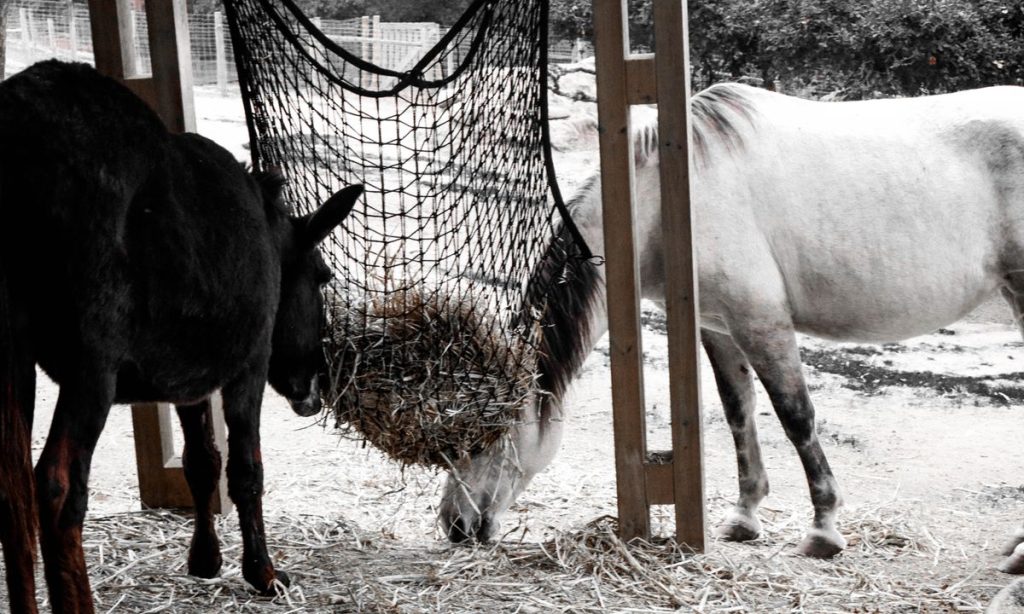
Slow hay feeders can help extend foraging time and limit scattered hay, but they need proper storage when not in use. A damp net, bent rack, or loose tie can become a hygiene or entanglement risk. If you want to know how to store a slow hay feeder for horses safely, begin by emptying it, cleaning according to its material, and drying every part before putting it away. The correct method depends on whether you use mesh, metal, rigid plastic, or a combined design.
This guide offers a step-by-step storage routine for daily rotation, seasonal downtime, and repairs. Our best slow hay feeder for horses guide describes common feeder types, while this article focuses on caring for what you already have. The aim is to keep hay clean and equipment sound without creating hazards for horses, handlers, or other animals in the barn.
Empty the Feeder and Inspect It Before Storage
Remove leftover hay, damp fragments, manure, and other debris before moving a feeder. Discard material that smells musty, shows visible mold, or has been contaminated by urine or pests. Do not return questionable scraps to fresh bales. For mesh feeders, check every opening and tie point for stretching or fraying. For rigid units, inspect edges, hinges, welds, bolts, and mounting brackets. An apparently small burr can abrade a muzzle or catch a rug later.
Look at the contact points where a horse has pulled, rubbed, or pushed against the feeder. Check for loosened fittings and sharp corners. If the feeder has a removable net, detach it according to the maker's directions so it can be cleaned and dried separately. Keep small hardware in a labeled container away from horse traffic. Knowing how to store a slow hay feeder for horses safely starts with recognizing damage while the unit is empty and easy to examine.
Clean Mesh, Plastic, and Metal by Material
Shake hay from nets and brush away loose dust. Use an appropriate wash process for the fabric or rope, following manufacturer instructions. Rinse thoroughly and avoid chemicals that could leave residues where a horse eats. Do not assume every net can be machine-washed or treated with strong disinfectant. Heat and harsh cleaners may weaken some fibers. When a net has embedded grime that will not wash out or damaged strands, replacement is safer than continued use.
For rigid plastic, remove debris from seams and corners with a soft brush and suitable cleaning method. For metal, clear trapped hay and inspect for corrosion, sharp edges, or loose fasteners. Dry metal parts fully to limit rust where practical. Never hide a damaged area beneath paint or tape if it could injure a horse. Refer to our cleaning and maintaining hay nets for horses guide for more detailed mesh care. Cleaning should make inspection easier, not disguise structural problems.
Dry Completely Before Packing Away
Moisture is a major storage problem. Damp hay fragments encourage spoilage, and wet mesh folded into a closed bin can develop odors and visible growth. Hang washable nets where air can circulate, out of reach of horses and loose equipment. Open pockets or folded sections so they dry throughout. Avoid leaving nets against damp barn walls or in direct contact with the ground. Drying may take longer in humid weather, especially where knots and seams retain water.
Do not rely on a dry-looking exterior. Feel thick webbing, corners, and attachment loops before packing. Rigid feeders should be free of pooled water and sheltered from leaking roofs. If a feeder has internal channels that trap moisture, follow the manufacturer's disassembly and drainage guidance. A clean but still damp feeder is not truly ready for storage. How to store a slow hay feeder for horses safely includes giving each part enough ventilation and drying time.
Choose a Storage Location Away From Horses and Feed
Select a clean, secure area with stable shelving or appropriate hanging hooks. Keep unused nets and loose cords away from curious horses, foals, dogs, and other animals. Store sharp or heavy hardware where it cannot fall into an aisle. Do not hang large metal feeders from weak fixtures, stack them precariously, or block exits and emergency routes. For outdoor equipment, follow its weather and ultraviolet-exposure guidance. Some plastics and fibers become brittle after long exposure to sunlight.
Separate clean dry feeders from manure tools, pesticide containers, fuel, and waste. Rodent control and pest inspection are also important: feeding equipment can attract animals if hay residue remains. Use ventilated bins when appropriate, and label parts so the correct straps and fittings stay together. If you rotate two nets, keep the washed spare in a dry place while the other is in service. A little organization saves hunting for a clean feeder at the next mealtime. FYI, a forgotten damp net is rarely a pleasant surprise.
Secure Straps and Remove Entanglement Risks
Long ropes, drawstrings, carabiners, and chains should be coiled or contained during storage. They must not dangle into a horse's reach or trail into walking paths. Examine hooks for damaged springs or open gaps, and remove rusty or deformed clips from service. If the original hardware is missing, do not substitute unknown fasteners without checking load capacity and safe use. Secure storage keeps hardware from being lost and prevents accidental contact.
When preparing a feeder for reuse, reconsider how it will be mounted. A loose hanging net can present hoof or leg entanglement risks, particularly if it hangs too low or a horse paws at it. Follow design-specific placement guidance and monitor the individual horse's behavior. Our hay nets for horses article discusses differences between styles. Storage and setup are linked: a feeder should return from storage with its parts complete, undamaged, and ready for a safe installation.
Protect Hay Quality While the Feeder Is Unused
Do not treat an idle feeder as long-term hay storage unless its design expressly allows it and the environment stays suitable. Hay should be stored according to forage-handling guidance, away from water intrusion and contamination. Remove old hay before the next fill, rather than topping it up repeatedly. Any musty smell, visible mold, or unusual warmth in stored forage deserves attention. Horses can be sensitive to dust and spoiled feed, and cleaning the feeder does not restore contaminated hay.
Keep the feeding area itself dry and reasonably clean. Rake up waste, manage drainage, and avoid leaving loose feed where rodents gather. Our guide to selecting hay portions for horses explains why weighing forage is more useful than estimating by flake count. That approach also helps you fill a slow feeder appropriately instead of forcing it beyond its capacity. A feeder works best as part of a sensible forage system, not as a place to hide yesterday's leftovers.
Prepare the Feeder for Reuse
Before bringing a stored feeder back, unfold or assemble it and inspect the entire unit in good light. Look for mildew, cracks, frayed mesh, broken stitching, loose screws, rust, and sharp edges. Check attachment points for secure operation. Wash again if dust or pests entered during storage. If a component shows significant damage, replace it with a compatible part or retire the feeder. Do not wait until a horse is tugging at it to test whether a repair will hold.
Install the feeder at an appropriate location and height for the horse and design. Confirm that animals cannot trap a foot, jaw, or rug in loose material. Observe the horse at its first feeding after a long break, especially if the setup or herd has changed. Maintain access to clean water and enough forage under the horse's feeding plan. Safe storage is successful only when the feeder can return to normal use without creating a new hazard.
Frequently Asked Questions
The correct storage method varies across wall-mounted racks, flexible nets, and larger outdoor feeders. These answers address common decisions that apply across many setups. They are general husbandry guidance, so the maker's instructions and a real safety inspection remain essential.
Never prioritize saving a worn net or broken fitting over avoiding injury. If a feeder cannot be cleaned, dried, and secured reliably, it may be time to replace it. Record inspection findings so different caregivers use the same standard.
Can I leave hay in a slow feeder during storage?
It is better to empty the feeder. Leftover forage may become damp, dusty, or contaminated, and hiding damage is easier when hay remains packed inside.
Should I fold a hay net while damp?
No. Dry it completely according to the manufacturer's directions before folding or placing it in a container. Check thicker cords and knots where moisture lingers.
Is an outdoor feeder safe to leave uncovered all winter?
That depends on the construction and manufacturer's weather guidance. Check stability, drainage, rust, plastic brittleness, and nearby horse access. Store removable components safely when unused.
Can I repair a frayed hay net with spare string?
Improvised knots can change opening size or create loose ends. Use compatible approved replacement parts when permitted. Retire a net with structural damage if safe repair is uncertain.
How often should I inspect stored feeders?
Inspect when you put them away, periodically during long storage, and again before use. Check sooner after roof leaks, pests, severe weather, or accidental impacts.
Final Words
How to store a slow hay feeder for horses safely is mostly a routine of emptying, cleaning, drying, inspecting, and securing. Match the method to the material, protect it from moisture and pests, and prevent loose cords or heavy hardware from becoming hazards. A feeder that looks fine from a distance may still have damaged fittings or trapped hay.
For broader context on the best slow hay feeder for horses, consider the cleaning and storage demands as part of the design's everyday suitability. A few minutes of care after each use can prevent avoidable problems when the horse's next meal is due.









