When you brought that new bundle of fur home, I bet your to-do list grew faster than a Great Dane puppy. Between the potty training and the chewed-up sneakers, you probably heard your vet mention the DHLPP vaccine for dogs. It sounds like a strange alphabet soup, doesn’t it?
I remember sitting in the waiting room with my own pup, wondering if he really needed another “combo” shot. But as I learned more, I realized this isn’t just another line item on the bill—it’s actually the “Big Five” of canine health. If you’ve been scratching your head over what this vaccine actually does, you’re in the right place. Let’s break down exactly what is DHLPP vaccine for dogs? and why your vet is so obsessed with it.
What is DHLPP vaccine for dogs?
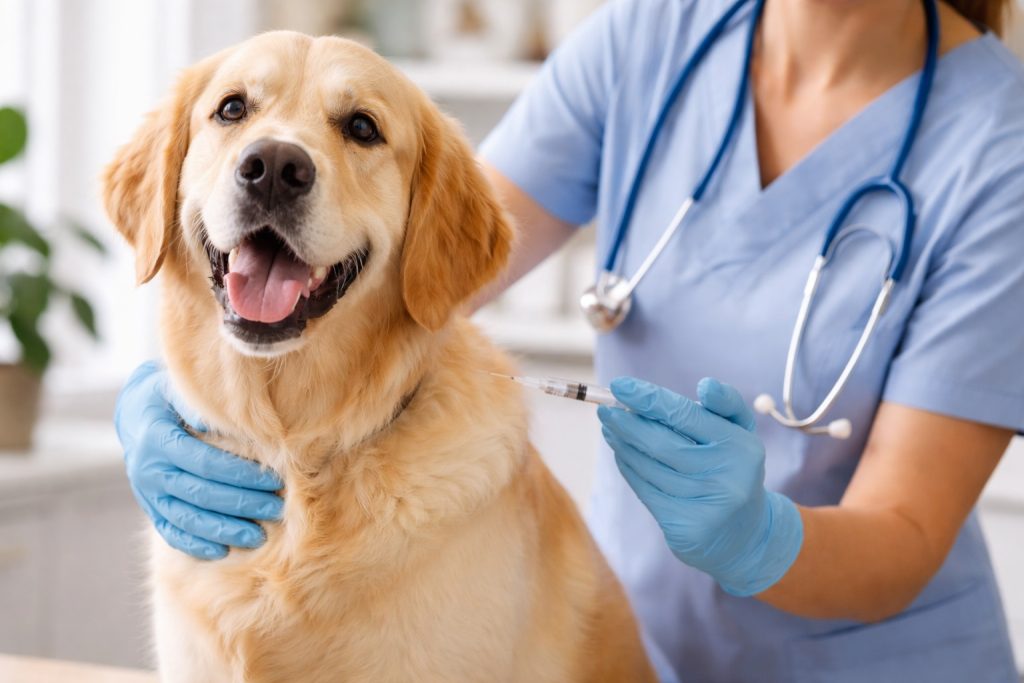
The DHLPP vaccine is a multivalent vaccine, which is just a fancy way of saying it’s a 5-in-1 cocktail designed to protect your dog against five serious diseases. Instead of poking your poor pup five different times, the vet gives one single injection.
Think of it as a defensive shield for your dog’s immune system. These diseases are highly contagious and, frankly, quite scary if left to chance. By grouping them together, we make the DHLPP vaccine schedule much easier to manage for both you and your dog. Plus, it saves you a ton of stress (and money) in the long run.
What Does DHLPP Stand For?
If you feel like you need a secret decoder ring to understand your dog’s medical records, don’t worry. Each letter in DHLPP represents a specific disease that the vaccine targets. Here is the breakdown of the lineup:
D – Distemper
Distemper is a nasty virus that attacks the respiratory, gastrointestinal, and nervous systems. It spreads through the air or via shared bowls. Believe me, you do not want to see a dog suffering from this; it causes everything from high fevers to seizures.
H – Hepatitis
This isn’t the human version, but it’s just as serious for dogs. Infectious Canine Hepatitis targets the liver, kidneys, and lungs. It spreads through bodily fluids, and in some cases, it can be fatal within hours.
L – Leptospirosis
This is the “special guest” in the DHLPP version. Leptospirosis is a bacterial infection caused by contact with wild animal urine (think squirrels or rats in your backyard). It can lead to kidney failure and—here’s the kicker—it can actually spread to humans too.
P – Parainfluenza
While often confused with “kennel cough,” parainfluenza is a respiratory virus that makes your dog feel like they have a miserable flu. It’s highly contagious in places like dog parks or boarding facilities.
P – Parvovirus
Often just called “Parvo,” this is the one that keeps every puppy owner awake at night. It’s an extremely hardy virus that causes severe vomiting and bloody diarrhea. It is notoriously difficult to treat and can live in the soil for a long time.
Understanding the DHLPP Vaccine
The DHLPP vaccine works by introducing a tiny, harmless piece of these viruses or bacteria to your dog’s body. This teaches their immune system how to recognize and fight the real deal. I’ve always found it fascinating how one shot can do so much heavy lifting.
Because it covers so many bases, vets consider it a core vaccine (well, most of it—the “L” part is sometimes debated based on location). It provides a baseline of safety so your dog can actually enjoy being a dog without you worrying every time they sniff a blade of grass.
Difference Between DHPP and DHLPP
You might notice some vets offer a DHPP vaccine instead. The only difference is that the DHLPP vaccine includes protection against Leptospirosis, while the DHPP does not.
- DHPP: Great for indoor dogs or those in areas where “Lepto” isn’t a high risk.
- DHLPP: Essential for dogs that spend time outdoors, live near wildlife, or hike.
IMO, it’s usually better to have the extra protection, especially since wildlife is everywhere these days. Unless your dog has a known sensitivity to the Lepto component, the 5-in-1 is usually the way to go. 🙂
Vaccination Schedule & Importance
Getting the timing right is crucial. You can’t just give one shot and call it a day; the immune system needs “reminders” to stay strong.
Puppies
Puppies usually start their DHLPP vaccine schedule between 6 to 8 weeks of age. They need boosters every 3 to 4 weeks until they are about 16 weeks old. This series is non-negotiable because their mother’s antibodies start to fade, leaving them vulnerable.
Adults
Once they finish the puppy series, they’ll get a booster at the one-year mark. After that, many vets move to a schedule of once every three years for the viral components, though the Leptospirosis part often requires an annual booster to stay effective.
Why Needed
Without this vaccine, your dog is essentially a sitting duck for diseases that are 100% preventable. It’s not just about your dog’s health; it’s about community immunity. The more dogs that are vaccinated, the less these viruses can circulate in your local dog park.
How long does dhlpp vaccine last?
This is the million-dollar question: How long does DHLPP vaccine last? For the viral parts (Distemper, Parvo, etc.), research shows that immunity can actually last three years or even longer in healthy adult dogs.
However, the “L” (Leptospirosis) is a different story. Since it’s a bacterial vaccine, the protection wears off much faster—usually around the 12-month mark. This is why your vet might suggest an annual check-up even if the core viral shots are still active.
Which Dog Vaccines Are Absolutely Necessary?
Not every vaccine on the menu is a “must-have” for every dog. However, the DHLPP vaccine and Rabies are generally considered the gold standards.
- Rabies: Required by law in almost every state.
- DHLPP: Protects against the most common and deadly canine viruses.
- Bordetella: Necessary if your dog goes to daycare or boarding.
- Lyme: Recommended if you live in a tick-heavy area.
If you’re a homebody and your dog only sees the backyard, you might skip the “lifestyle” vaccines, but you should never skip the DHLPP.
Recommended Vaccination Schedule for Puppies
If you’re a new puppy parent, here’s a quick cheat sheet to keep you on track. FYI, keeping a digital copy of these records on your phone is a lifesaver when you’re checking into a groomer!
Puppy Age | Recommended Vaccine |
6-8 Weeks | DHPP (Initial dose) |
10-12 Weeks | DHLPP (Booster #1) |
14-16 Weeks | DHLPP (Final puppy booster) |
1 Year | Full DHLPP Booster |
What Does the DHPP or DHLPP Vaccine Cost?
The cost of a DHLPP vaccine is actually quite reasonable compared to the cost of treating the diseases it prevents. On average, you can expect to pay anywhere from $20 to $60 per dose.
Prices vary depending on your location and whether you go to a private vet or a low-cost clinic. Honestly, spending $40 on a Parvo shot is a much better deal than spending $4,000 on an ICU stay for a sick puppy. Talk about a return on investment!
Vaccine Controversies
I know, I know—the word “vaccine” can sometimes stir up a heated debate even at the dog park. Some owners worry about over-vaccination or potential side effects like lethargy or localized swelling.
While mild reactions (like a sleepy dog for 24 hours) are common, severe reactions are incredibly rare. Many vets now offer titer testing, which measures the level of antibodies in your dog’s blood. This allows you to see if they actually need a booster or if their immunity is still going strong. It’s a great middle-ground for those who want to be cautious.
Frequently Asked Questions
- Can my dog get sick from the DHLPP vaccine? It’s very unlikely. Your dog might feel a little “blah” or have a sore spot where they got the poke, but the vaccine doesn’t contain live, active viruses that can cause the full-blown disease.
- Is the Leptospirosis part really necessary? If your dog ever steps foot outside or drinks from a puddle, then yes. Even “city dogs” can catch it from rats. Unless your dog has had a bad reaction to it before, the protection is worth the small risk of a side effect.
- What happens if I miss a booster? Don’t panic! Just schedule it as soon as you remember. If too much time has passed (usually more than a year overdue), your vet might recommend restarting the two-shot series to ensure your dog is fully protected.
- Does insurance cover the DHLPP vaccine? Most “wellness” or “preventative” add-ons in pet insurance will cover the cost of vaccines. Standard accident/illness policies usually don’t, so check your fine print!
Final Words
Ultimately, are you familiar with the DHLPP vaccine for dogs? gives you the ability to choose what’s best for your furry best friend. It’s the easiest way to make sure your dog remains content, healthy, and prepared for whatever adventure—or nap—comes next.
Ever had a “oops, I forgot the vet appointment” moment, or are you the type with a color-coded calendar? Regardless of your style, your dog depends on you to be their health advocate.