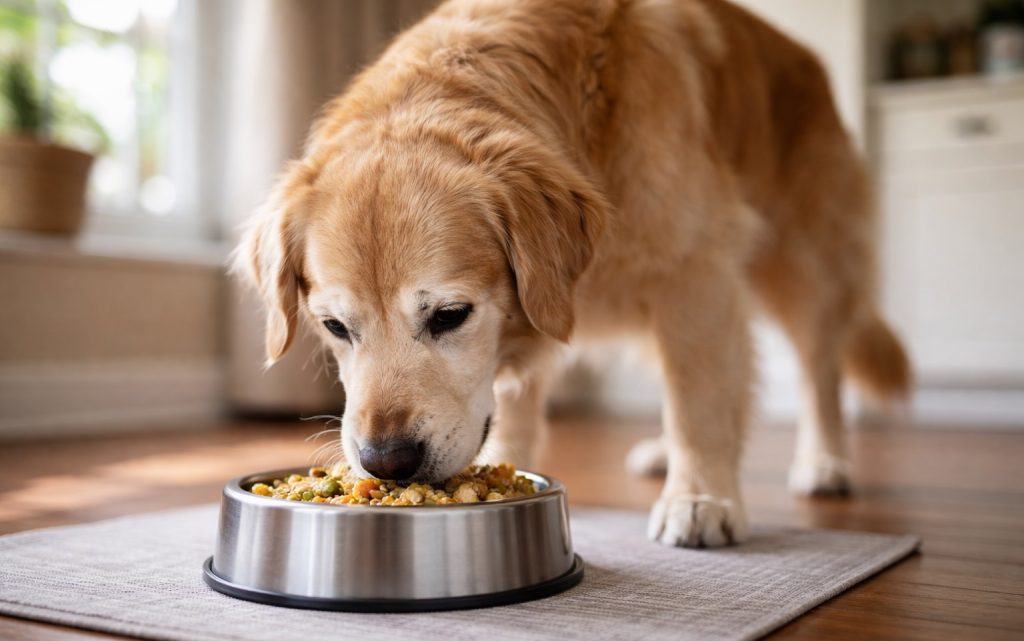
A cancer diagnosis can make every meal feel urgent. The best dog food for dogs with cancer depends on the individual dog’s appetite, treatment, body condition, and other illnesses. Veterinary oncologists generally prioritize a complete, balanced diet the dog will eat; no special retail food is proven to cure cancer or slow every tumor. This roundup compares seven conventional wet foods by texture, flavors, and label details so you can discuss practical options with your dog’s care team. Use these products only if your veterinarian approves them for the specific patient. Do not change food, add supplements, or start a raw diet during treatment without medical guidance. If your dog is eating less, losing weight, or having nausea, tell the oncology team promptly. They can look for treatable causes and set a calorie target. The products below are food options to discuss, not cancer treatments.
Quick Picks
| Product | Best For | Key Advantage | Buy | |
|---|---|---|---|---|
| Purina ONE Classic Ground Variety Pack | Two flavors | Two ground-texture adult recipes | View on Amazon | Jump to Review |
| Pedigree High Protein Cuts in Gravy | Cuts in gravy | Multiple meat flavors | View on Amazon | Jump to Review |
| Wellness Complete Health Chicken Stew | Stew texture | Chunky stew texture | View on Amazon | Jump to Review |
| Wellness Complete Health Pate Variety Pack | Smooth pate | Smooth pate texture | View on Amazon | Jump to Review |
| IAMS Proactive Health Lamb & Rice Wet Food | Lamb and rice | Lamb-and-rice ground dinner | View on Amazon | Jump to Review |
| A Strong Heart Chicken & Rice Loaf | Soft loaf | Soft loaf texture | View on Amazon | Jump to Review |
| A Strong Heart Chopped Beef Dinner | Chopped pieces | Chopped beef and chicken pieces | View on Amazon | Jump to Review |
How We Chose These Foods
We verified each product identity through the authenticated product catalog and selected conventional canned foods with distinct textures or recipe formats. We did not label any option as a cancer diet. Product claims about ingredients or nutritional adequacy should be checked against the current package; the oncology team should confirm whether the food suits the dog’s medical plan.
1. Purina ONE Classic Ground Variety Pack

What We Like
- Two ground-texture adult recipes
- Chicken and beef options
- Listing states complete adult nutrition
- 13-ounce cans
- Can be served as a meal
What We Don’t Like
- Pack includes only two flavors
- Check calories against the dog’s plan
This variety pack includes ground chicken and brown rice plus beef and brown rice recipes, according to the product identity. A ground texture may be easier to portion than large chunks for some dogs. The listing describes complete and balanced adult nutrition, but the treating veterinarian should still confirm whether the formula fits the dog’s diagnosis, medications, calorie target, and any concurrent conditions.
Two flavors in one pack can offer a small amount of variety without changing the food category entirely. That may help a family notice which texture or aroma the dog accepts, though individual preference cannot be predicted. Opened cans need safe storage and prompt refrigeration according to the label. Warm food slightly only if the veterinarian approves and the package directions allow it.
This is an option to discuss when the dog is an adult and the oncology team is comfortable with the recipe. It is not formulated to treat cancer, prevent tumor growth, or replace care. A dog with kidney disease, pancreatitis, food sensitivities, or a feeding tube may need a very different nutrition plan. Check the full label and ask the veterinary team before switching. If the dog already eats a similar recipe, ask whether a gradual transition is needed or whether changing food could upset intake during treatment. The clinician may also recommend a specific feeding schedule, amount, or texture. Keep the can label available for the appointment.
My Recommendation
Purina ONE Classic Ground Variety Pack is worth discussing if your dog’s oncology team approves its ingredients, calories, and complete-feeding statement. Its two ground-texture adult recipes may fit a dog’s texture preference, but it is not a cancer treatment. Ask the veterinarian about a better alternative when medical restrictions apply.
2. Pedigree High Protein Cuts in Gravy

What We Like
- Multiple meat flavors
- Cuts in gravy texture
- Listing says complete adult nutrition
- May be served as a meal or topper
- Large 12-can pack
What We Don’t Like
- Chunk texture may not suit every dog
- High-protein wording is not a cancer benefit
This multipack contains beef, lamb, chicken, and turkey cuts in gravy. The product listing describes the food as complete and balanced for adult dogs and says it may be served as a meal or topper. The gravy and pieces offer a different texture from smooth pate, which can matter when a dog is selective. Ask the veterinary team whether the formula and portion fit the specific medical plan.
The pack gives you several flavors, but changing foods repeatedly can make it harder to track what the dog tolerates. If the dog is receiving chemotherapy or has digestive symptoms, keep a simple food log and report changes to the oncology team. Do not mix in extra foods, supplements, or broth without checking first, since those additions can alter nutrition or interact with care.
This may suit an adult dog whose veterinarian approves a conventional wet food and whose appetite responds to gravy or meat pieces. The “high protein” label is not evidence that it treats cancer or is appropriate for every patient. Dogs with nausea, swallowing difficulty, dietary restrictions, or poor intake need individualized guidance. Follow the can’s feeding statement and the clinician’s calorie instructions. A dog who stops eating a favorite meal may be experiencing nausea, mouth discomfort, stress, or treatment effects, so food preference is only part of the picture. Do not wait for severe weight loss before reporting a persistent change. Ask about a feeding plan early.
My Recommendation
Pedigree High Protein Cuts in Gravy is worth discussing if your dog’s oncology team approves its ingredients, calories, and complete-feeding statement. Its multiple meat flavors may fit a dog’s texture preference, but it is not a cancer treatment. Ask the veterinarian about a better alternative when medical restrictions apply.
3. Wellness Complete Health Chicken Stew

What We Like
- Chunky stew texture
- Chicken with vegetables
- Listing describes complete adult nutrition
- Can serve as meal or mixer
- 12.5-ounce cans
What We Don’t Like
- Grain-free recipe needs individual review
- Chunks may not suit swallowing issues
This chicken stew has a chunky texture with vegetables, based on the listing, and is described as a complete and balanced adult meal or mixer. The added moisture and soft pieces may be appealing to some dogs, but texture preference is individual. Before using it as a full diet, confirm with the veterinarian that its nutritional profile and calorie density meet the patient’s needs.
The recipe is identified as grain-free. That label alone does not make a food better for a dog with cancer, and a dog may have medical reasons to avoid particular ingredients. If the dog has a history of heart disease, food sensitivity, or a prescription diet, ask the clinician whether this food is suitable. A “natural” or “complete” marketing phrase does not replace a review of the current label.
This stew is worth discussing when an adult dog enjoys soft chunks and the oncology team approves its use. It is less suitable if the dog struggles to chew or swallow pieces, or if a veterinarian has prescribed a specific diet. Measure portions and track actual intake. If appetite drops or vomiting, diarrhea, or weight loss occurs, contact the care team instead of switching foods repeatedly. Keep the veterinarian informed if the dog refuses chunks or leaves most of the bowl. The team may recommend a smoother consistency, smaller portions, or medical support for nausea. Avoid changing several things at once, because that makes it harder to identify what the dog tolerates.
My Recommendation
Wellness Complete Health Chicken Stew is worth discussing if your dog’s oncology team approves its ingredients, calories, and complete-feeding statement. Its chunky stew texture may fit a dog’s texture preference, but it is not a cancer treatment. Ask the veterinarian about a better alternative when medical restrictions apply.
4. Wellness Complete Health Pate Variety Pack

What We Like
- Smooth pate texture
- Chicken, lamb, and sweet potato recipes
- Wholesome grains in the listing
- Complete adult meal description
- Six-can variety pack
What We Don’t Like
- Only six cans in the pack
- Check exact recipe for sensitivities
This six-can variety pack is described as a smooth pate with chicken, lamb, and sweet potato recipes. A uniform texture can be easier to mix or portion than chunky food, though it does not solve nausea or appetite loss by itself. The listing identifies it as adult food with complete and balanced nutrition. Have the oncology team review the current formulation and serving plan before making it a regular meal.
Flavor variety may help you compare what the dog accepts, but avoid rotating foods rapidly if the veterinarian is tracking symptoms or managing a treatment side effect. Use clean utensils, refrigerate opened portions as directed, and discard food that has been left out beyond safe handling guidance. If a medication must be given with food, confirm that this particular food is compatible.
This is a possible option for an adult dog that prefers smooth pate and has no restriction against the ingredients. It is not a therapeutic cancer diet and should not be marketed as one. A dog with kidney, liver, or pancreatic disease may need a different nutrient profile. Ask the clinician about calories per can and how much to feed, especially if weight is changing. The smooth consistency may be convenient for mixing a measured portion, but any additions should be approved first. A veterinary team can compare this recipe with current lab results, medications, and weight goals. Save the label information and note the amount eaten at each meal.
My Recommendation
Wellness Complete Health Pate Variety Pack is worth discussing if your dog’s oncology team approves its ingredients, calories, and complete-feeding statement. Its smooth pate texture may fit a dog’s texture preference, but it is not a cancer treatment. Ask the veterinarian about a better alternative when medical restrictions apply.
5. IAMS Proactive Health Lamb & Rice Wet Food

What We Like
- Lamb-and-rice ground dinner
- Adult wet-food format
- Protein supports muscle maintenance
- Omega-6 listed for skin and coat
- 13-ounce can
What We Don’t Like
- Single recipe may not suit every palate
- Confirm complete-feeding statement on label
This lamb-and-rice wet dinner is marketed for adult dogs and has a ground texture. The returned product information notes protein and omega-6 fatty acids. Those are ordinary nutrition features, not evidence of a cancer-specific benefit. Before feeding it as the main diet, read the current can for its nutritional-adequacy statement and ask the veterinarian to compare the calories and nutrients with the dog’s care plan.
A single recipe may simplify serving but gives less flavor choice than a variety pack. If the dog has an appetite change, note whether the issue is texture, smell, nausea, pain, or difficulty chewing. The oncology team can help distinguish those problems and may suggest a different texture, warming routine, or medical support. Avoid disguising medication in the dog’s main meal unless the vet approves.
This product may be considered when a clinician approves its nutritional profile and lamb-and-rice recipe. It is not automatically hypoallergenic and is not a treatment for cancer. Dogs with allergies, organ disease, or a prescription diet may need another food. Compare the label’s complete-and-balanced statement, feeding directions, and calorie count with the veterinarian’s recommendations before purchase. Because formulas and feeding statements can change, use the current can as the final source for ingredients and calorie counts. Share a photo of that label with the care team. If the dog receives a prescription diet, do not combine foods without professional approval.
My Recommendation
IAMS Proactive Health Lamb & Rice Wet Food is worth discussing if your dog’s oncology team approves its ingredients, calories, and complete-feeding statement. Its lamb-and-rice ground dinner may fit a dog’s texture preference, but it is not a cancer treatment. Ask the veterinarian about a better alternative when medical restrictions apply.
6. A Strong Heart Chicken & Rice Loaf

What We Like
- Soft loaf texture
- Chicken and rice recipe
- Listing says complete for all life stages
- 13.2-ounce cans
- Can be spooned or mixed
What We Don’t Like
- All-life-stages nutrient profile may not fit all patients
- Large can needs careful storage
This chicken-and-rice loaf is described as a complete and balanced all-life-stages food. Its smooth loaf consistency is easy to scoop and portion, which may be helpful when a dog prefers softer food. A texture advantage is not a medical benefit, however. The veterinarian should decide whether the nutrient profile is suitable for the dog’s age, diagnosis, treatment, and any concurrent health conditions.
The product listing says the food can be served alone or mixed with kibble. If your dog is on a prescribed plan, treat that mixing suggestion as general product guidance and ask before changing the diet. Check calories per can, serving amount, and storage directions. A large can may need to be divided into smaller clean portions and refrigerated promptly after opening.
This loaf may be worth asking about when the dog likes smooth food and the clinician approves an all-life-stages formula. It is not designed to control tumors or replace oncology treatment. A dog with swallowing problems, food sensitivities, or specific nutrient restrictions may need a different option. Track how much is eaten and contact the care team if appetite or weight declines. The soft consistency may be easier to serve in small measured portions, yet portion size still depends on calories per can and the individual dog’s needs. Write down what the dog eats and when symptoms appear. That record can help the oncology team adjust support.
My Recommendation
A Strong Heart Chicken & Rice Loaf is worth discussing if your dog’s oncology team approves its ingredients, calories, and complete-feeding statement. Its soft loaf texture may fit a dog’s texture preference, but it is not a cancer treatment. Ask the veterinarian about a better alternative when medical restrictions apply.
7. A Strong Heart Chopped Beef Dinner

What We Like
- Chopped beef and chicken pieces
- Visible texture in gravy
- Chicken, liver, and beef ingredients
- 12-pack with pull-tab cans
- May suit dogs that prefer pieces
What We Don’t Like
- Piece texture may be difficult for some dogs
- Beef and chicken limit protein variety
This canned food offers chopped beef and chicken pieces, which creates a texture distinct from a smooth pate or loaf. The returned product data describes it as complete and balanced for all life stages. Dogs vary widely in what they will eat, so consider the dog’s chewing comfort and the care team’s advice before selecting a food based on texture alone.
A visible chopped texture can be appealing to some dogs, while others may prefer a smoother meal. If chewing or swallowing is difficult, ask whether a softer formula is appropriate rather than blending foods without guidance. The listed beef and chicken ingredients may not work for a dog with a known sensitivity or an elimination diet. Review the ingredient panel each time, since formulations can change.
This option could be discussed for a dog that prefers small pieces and has no restriction against its ingredients. It is not a cancer-specific diet, and its all-life-stages statement does not establish suitability for every patient. Ask the oncology team to confirm calories, nutrient adequacy, and portion size. Monitor intake and report persistent food refusal, vomiting, or weight loss promptly. Before switching, compare the label with the dog’s current food and medical restrictions. If the dog rejects pieces, do not force the meal or keep replacing it with unrelated foods. Call the clinic for advice, particularly if intake stays low or hydration seems reduced.
My Recommendation
A Strong Heart Chopped Beef Dinner is worth discussing if your dog’s oncology team approves its ingredients, calories, and complete-feeding statement. Its chopped beef and chicken pieces may fit a dog’s texture preference, but it is not a cancer treatment. Ask the veterinarian about a better alternative when medical restrictions apply.
How to choose best dog food for dogs with cancer
Begin with the oncology team. Cancer or treatment can affect appetite, chewing, digestion, and energy needs. Ask whether the current diet should stay in place, whether a change is medically indicated, and what calorie target to follow. If weight is falling, ask about a feeding plan.
Prioritize balanced nutrition and intake
A complete and balanced diet that the dog accepts is often more useful than chasing a fashionable ingredient claim. Check the package’s nutritional-adequacy statement, life stage, calories, and feeding directions. A wet food may help a dog that prefers soft textures, but it is not automatically more nutritious or therapeutic. Measure what the dog actually eats and record changes in appetite, weight, stool, and vomiting.
Match texture and ingredients to the patient
Pate, loaf, ground food, and chunks feel different in the bowl. A dog with mouth pain or difficulty swallowing may need a smoother texture, while another may prefer pieces in gravy. Ask before warming food, adding toppers, or changing flavors. Dogs with kidney disease, diabetes, pancreatitis, allergies, or other conditions can need a tailored nutrient profile. A veterinary nutritionist can help if the diet becomes complicated.
Avoid unapproved diets and supplements
Do not assume raw, grain-free, high-fat, or homemade food is safer for cancer. Raw food can carry pathogens, which is a concern for some immunocompromised patients. Home recipes may be unbalanced unless formulated for the individual dog by a veterinary nutritionist. Supplements can interact with treatment or contain inconsistent ingredients. If considering products discussed in our articles about turkey tail supplements or CBD oil for dogs with cancer, ask the oncologist first. Learn about mast cell tumor diagnosis as one example of why cancer type matters.
Keep a simple record of meals, estimated intake, weight, and symptoms. A dog that refuses food may be dealing with nausea, pain, dehydration, stress, or treatment effects, so a new flavor may not address the cause. Call the oncology team when intake changes rather than repeatedly swapping products. Ask what amount of food is a concern, whether warming or smaller meals are appropriate, and when the dog should be examined. An individualized plan is especially important when another illness affects nutrient or fluid needs.
Frequently Asked Questions
Is there one best food for every dog with cancer?
No. Food choice depends on the cancer, treatment, appetite, body condition, and other illnesses. Ask the oncology team.
Should I switch foods after a cancer diagnosis?
Not automatically. Cornell veterinary guidance advises against a diet change unless there is a medical reason. Discuss the specific dog’s plan with the veterinarian.
Is a high-protein or low-carbohydrate diet better?
There is not strong clinical evidence that one such strategy benefits every dog with cancer. Ask the treating veterinarian before changing nutrients.
Can I feed a raw diet during cancer treatment?
Do not start one without oncology guidance. Some patients may be more vulnerable to infection, and raw foods can carry pathogens.
When should I call the veterinarian about appetite?
Call promptly for persistent food refusal, weight loss, vomiting, diarrhea, trouble swallowing, or a sudden change in intake.
Final Verdict
There is no universal cancer-fighting dog food. The safest shortlist is food your dog will eat that the oncology team confirms is complete, balanced, and appropriate for its health conditions. The seven canned products here offer varied textures and flavors, but their role is practical feeding support only. Ask about calories, ingredients, and any treatment interactions before changing the bowl.
This article contains Amazon affiliate links. If you purchase through these links, PetAdvisorPro may earn a commission. As an Amazon Associate I earn from qualifying purchases.