Horse flies can make a ride miserable, and a repellent for people is not the same as fly spray for a horse. The best horse fly repellent for humans should match the insects named on its current label, the riding conditions, and how you prefer to apply it. This guide compares one horse-and-rider product with human skin repellents and a separate clothing-treatment kit. We distinguish product claims from label directions so you can choose carefully. No repellent should be sprayed on a horse unless that exact use appears on its label. Read the package before every use, especially when riding with children or sensitive skin. EPA guidance is straightforward: follow the label, apply only to exposed skin or clothing as directed, and avoid eyes, mouth, wounds, and irritated skin. Spray outdoors and never breathe the mist. A product that says “flies” may not specifically list horse flies; check before buying.
Quick Picks
| Product | Best For | Key Advantage | Buy | |
|---|---|---|---|---|
| Zone Protects Horse & Rider Picaridin Spray | Most direct rider match | Made for horse-and-rider use | View on Amazon | Jump to Review |
| Sawyer 20% Picaridin Lotion | Lotion | 20% picaridin lotion | View on Amazon | Jump to Review |
| Sawyer 20% Picaridin Pump Spray | Compact pump | 20% picaridin in a pump bottle | View on Amazon | Jump to Review |
| Sawyer 20% Picaridin Continuous Spray | Continuous spray | 20% picaridin formula | View on Amazon | Jump to Review |
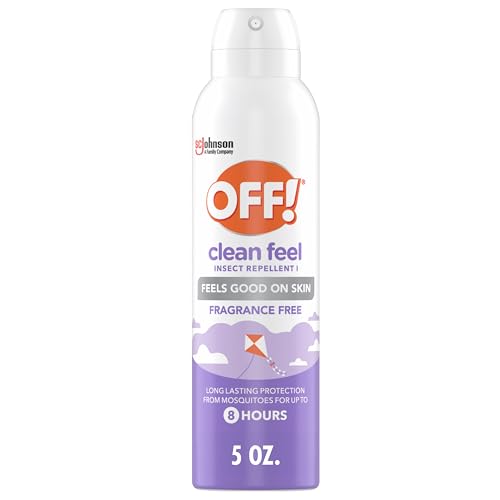
| OFF! Clean Feel Picaridin Spray | Aerosol | 20% picaridin active ingredient | View on Amazon | Jump to Review |
| Murphy’s Naturals Lemon Eucalyptus Repellent | Two-bottle pump set | 30% oil of lemon eucalyptus listing | View on Amazon | Jump to Review |
| Ranger Ready Picaridin and Clothing-Treatment Kit | Skin and clothing layers | Picaridin product for exposed skin | View on Amazon | Jump to Review |
How We Chose These Repellents
We verified each product identity through the authenticated product catalog and compared active ingredient, format, and stated use. Only the Zone Protects product directly names horse flies in the returned product identity. Other items are human repellents with broader fly claims; readers should confirm the current EPA label lists the target pest. We did not treat marketing duration claims as guarantees.
1. Zone Protects Horse & Rider Picaridin Spray

What We Like
- Made for horse-and-rider use
- 20% picaridin formula
- Continuous non-aerosol spray
- Listing states protection from horse flies
- Portable 10-ounce bottle
What We Don’t Like
- The label must be checked for each pest and use
- Spray application needs care around the face
This is the most directly matched option in the roundup because its product identity and listing explicitly describe a horse-and-rider picaridin repellent. The 10-ounce continuous spray format may be convenient before a ride, when quick coverage matters. The listing states that it targets horse flies and other biting insects. That statement is a product claim, so check the current EPA registration number and label for the precise insects, application directions, and protection period before relying on it.
Picaridin is the active ingredient identified in the product title and listing. EPA recognizes picaridin among active ingredients used in registered skin-applied repellents, but registration and permitted claims are specific to each formulation. The listing advertises a DEET-free product and a long protection window. Those details should not override the container directions, especially if you sweat, get wet, or need to reapply during an outing.
This pick suits riders who want a product marketed for both horse and rider in one bottle. It is not a reason to spray the horse automatically; follow the specific animal-use directions, and keep human and animal applications distinct. Spray outdoors, avoid inhalation, and apply carefully around eyes and mouth. If horse flies remain active, add protective clothing and seek shelter rather than layering products beyond the label. Keep a pair of lightweight gloves and long sleeves in your tack bag, because physical coverage can help when biting flies remain active.
My Recommendation
Zone Protects Horse & Rider Picaridin Spray suits riders who want made for horse-and-rider use. Check the actual package directions and target pests before choosing it. If horse flies are not listed, do not assume a general fly claim covers them. Add suitable clothing and step away from heavy insect activity when needed.
2. Sawyer 20% Picaridin Lotion

What We Like
- 20% picaridin lotion
- Four-ounce travel size
- Fragrance-free and non-greasy listing
- May suit people avoiding sprays
- Useful for exposed-skin application
What We Don’t Like
- Lotion takes more time to spread
- Not specifically labeled for horse flies in the product title
Sawyer’s four-ounce lotion is a compact skin-applied option for riders who prefer applying product by hand instead of spraying near tack or a horse. The listing identifies 20% picaridin and describes a fragrance-free, non-greasy formula. It also claims protection against several biting insects, including flies. Check the package label for the exact target pests and duration; a general fly claim does not automatically establish a specific horse-fly claim.
A lotion can make it easier to control where product goes, especially around wrists, ankles, and other exposed areas. Apply only as directed to exposed skin, not beneath clothing or over irritated areas. The product listing says it dries quickly and can be used on skin and some gear, but the label controls where it may be applied. Keep it away from the horse’s eyes, nose, mouth, and tack surfaces unless the directions specifically allow contact.
This is a reasonable choice for a rider who wants a small bottle and prefers a lotion texture. It may be less convenient than a pump or continuous spray when covering a larger area, and its listing does not make it the most horse-fly-specific option. Compare the current EPA-registered label with the pests in your riding area. If a horse-fly claim is important, select a product whose label directly supports that use. It can be a practical companion for shorter rides, but its small container may be less convenient for all-day exposure or several riders.
My Recommendation
Sawyer 20% Picaridin Lotion suits riders who want 20% picaridin lotion. Check the actual package directions and target pests before choosing it. If horse flies are not listed, do not assume a general fly claim covers them. Add suitable clothing and step away from heavy insect activity when needed.
3. Sawyer 20% Picaridin Pump Spray

What We Like
- 20% picaridin in a pump bottle
- Compact three-ounce format
- No aerosol propellant
- Portable for a riding bag
- Listing describes protection from flies
What We Don’t Like
- Small volume may run out sooner
- Product title does not specify horse flies
This compact pump spray contains 20% picaridin and comes in a three-ounce size, according to its product identity. A pump allows a rider to apply the product in short bursts and control the amount more closely than a continuous mist. The listing describes protection against flies along with other pests. Before treating that as horse-fly protection, read the active EPA label and confirm that the target species appears in its approved directions.
The fragrance-free, quick-drying claims can be attractive when you do not want a strongly scented product around riding gear. Apply outdoors and avoid breathing the spray. EPA guidance says to apply sprays to your hands before putting product on your face; never spray directly into the eyes or mouth. Follow the reapplication directions rather than estimating a longer protection period based on another product or concentration.
This bottle is most convenient when portability and controlled application matter. The smaller size may be limiting for long rides or frequent use, so compare bottle volume and label instructions. Keep the repellent on your skin only where the label permits. It is not a substitute for long sleeves, gloves, or a brimmed hat, and horse-fly activity may require leaving the area if bites continue. A rider can keep it in a pocket, but the small container should be checked before a long outing so the label-directed amount remains available for reapplication.
My Recommendation
Sawyer 20% Picaridin Pump Spray suits riders who want 20% picaridin in a pump bottle. Check the actual package directions and target pests before choosing it. If horse flies are not listed, do not assume a general fly claim covers them. Add suitable clothing and step away from heavy insect activity when needed.
4. Sawyer 20% Picaridin Continuous Spray

What We Like
- Six-ounce continuous spray
- Quick whole-limb coverage
- No pump strokes needed for application
- Useful for outdoor riding days
What We Don’t Like
- Continuous mist can drift
- Not marketed specifically for horse-fly control
This six-ounce continuous spray is another picaridin option for exposed skin during outdoor activities. Its product listing describes protection from flies, gnats, and other insects, along with an odorless, non-greasy feel. The spray format can make application faster across arms and legs, but it also creates mist. Use it in an open area away from the horse’s face, feed, and tack, and follow the label for the distance and amount.
The active ingredient is 20% picaridin. EPA includes picaridin among ingredients used in registered repellents, but the label for this particular product determines which pests and duration it covers. A broad listing statement about flies may not identify horse flies. If you need that exact target, verify it on the current label or choose the horse-and-rider product above whose listing expressly names horse flies.
This option fits riders who value a spray and want more volume than a pocket-size pump. It is less suitable if you dislike continuous mist or need a product with a clearly stated horse-fly claim. Apply only to exposed skin as directed, then let it dry before handling equipment. Pair it with protective clothing and keep a backup plan for especially heavy insect pressure. Keep it away from open flames if the label warns of flammability, and store it upright in a cool place between rides. Recheck the cap after use to prevent leaks and accidental spills during travel.
My Recommendation
Sawyer 20% Picaridin Continuous Spray suits riders who want 20% picaridin formula. Check the actual package directions and target pests before choosing it. If horse flies are not listed, do not assume a general fly claim covers them. Add suitable clothing and step away from heavy insect activity when needed.
5. OFF! Clean Feel Picaridin Spray
What We Like
- 20% picaridin active ingredient
- Five-ounce spray
- Fragrance-free listing
- Lightweight, quick-dry feel
- Lists flies among target insects
What We Don’t Like
- Aerosol application can drift near tack
- Check whether horse flies are on the label
OFF! Clean Feel uses 20% picaridin in a five-ounce aerosol spray, based on the product listing. The listing emphasizes a lightweight, fragrance-free feel and names flies among the insects it targets. Those details make it a possible option for a rider who already prefers a spray. However, a fly claim is not necessarily a horse-fly claim, so check the current container label and EPA registration details before choosing it for that specific pest.
The aerosol format can make coverage quick, but it is easier for mist to drift. Apply it outside, away from the horse’s face, feed, water, and tack. Never spray directly toward the face; put product on your hands first and apply carefully. Use only on exposed skin as the label permits, and do not spray under clothing or on irritated skin.
This product is best for riders seeking a familiar spray format and a picaridin active ingredient. It may not be the best match if you need a label that expressly names horse flies or want a non-aerosol pump. Check the package for age limits, directions, and reapplication timing. If the label does not cover the insect you are targeting, choose another strategy rather than assuming all flying-insect claims mean the same thing. This product may work for routine outdoor use, but riders should carry long sleeves and avoid relying on one formulation when fly pressure is high.
My Recommendation
OFF! Clean Feel Picaridin Spray suits riders who want 20% picaridin active ingredient. Check the actual package directions and target pests before choosing it. If horse flies are not listed, do not assume a general fly claim covers them. Add suitable clothing and step away from heavy insect activity when needed.
6. Murphy’s Naturals Lemon Eucalyptus Repellent

What We Like
- 30% oil of lemon eucalyptus listing
- EPA-registered claim on product listing
- Two four-ounce pumps
- DEET-free formula
- Compact pump bottles
What We Don’t Like
- Protection window is shorter than some options
- Not a horse-fly-specific listing
This two-pack offers four-ounce pump bottles with a listed 30% oil of lemon eucalyptus formulation. The product page identifies an EPA-registered formula and gives different claimed protection periods for mosquitoes and ticks. It does not make a clear horse-fly claim in the supplied identity data. Treat it as a general outdoor repellent candidate, not a guaranteed solution for horse flies, and verify the current label before use.
Oil of lemon eucalyptus is distinct from unregulated essential-oil blends. EPA lists it among regulated ingredients for skin-applied repellents. The product listing says to spray evenly on exposed skin or gear and warns against spraying directly on the face. Follow the label exactly, especially if applying around children; CDC advises against OLE or PMD products for children under three years old.
This may suit a rider who prefers a pump bottle and wants two smaller containers for a gear bag and home. The stated protection period varies by pest, and the product is not specifically positioned as a horse-rider repellent. If the label does not list horse flies, do not infer that it will repel them. For equestrian use, pair only label-approved skin application with protective clothing and safe distance from the horse. The two-pack can be divided between a tack room and vehicle, but keep each container sealed and out of reach of children and pets when not in use in warm weather.
My Recommendation
Murphy’s Naturals Lemon Eucalyptus Repellent suits riders who want 30% oil of lemon eucalyptus listing. Check the actual package directions and target pests before choosing it. If horse flies are not listed, do not assume a general fly claim covers them. Add suitable clothing and step away from heavy insect activity when needed.
7. Ranger Ready Picaridin and Clothing-Treatment Kit

What We Like
- Picaridin product for exposed skin
- Separate permethrin clothing spray
- Scent-free kit listing
- Useful for layered outdoor protection
- Clearly separates skin and fabric products
What We Don’t Like
- Two products require following separate labels
- Permethrin is not a skin repellent
This bundle combines a picaridin product for the body with a separate permethrin spray for clothing and gear. That distinction matters: the listing describes the permethrin product as a fabric treatment, not something to put on skin. CDC likewise says not to apply permethrin products directly to skin. A rider considering this kit should inspect both labels and use each formulation only on its intended surface.
The product page describes the body product as 20% picaridin and the clothing treatment as 0.5% permethrin. It also gives label-dependent claims about protection time and wash durability. These are separate products with separate application directions, so do not use one product’s timing or coverage claim for the other. Keep treated clothing away from animals until fully dry and follow every handling and washing instruction.
This set is useful for riders who want a skin product and a clothing product in one purchase. It is less simple than a single repellent and needs careful storage and use. The supplied listing does not prove that either product specifically targets horse flies, so check each EPA label. If you only want a skin-applied option, choose a single active-ingredient product instead. Because the kit contains a clothing treatment, keep the bottle separate from skin products and label it clearly in shared tack storage to prevent accidental misuse by anyone helping prepare for a ride or packing gear.
My Recommendation
Ranger Ready Picaridin and Clothing-Treatment Kit suits riders who want picaridin product for exposed skin. Check the actual package directions and target pests before choosing it. If horse flies are not listed, do not assume a general fly claim covers them. Add suitable clothing and step away from heavy insect activity when needed.
How to choose best horse fly repellent for humans
Start with the label, not the bottle front. Confirm the EPA registration and named insects; a broad “flies” claim may not include horse flies. If the exact pest is missing, consider another label-approved product or add clothing and route changes. Follow the label each time.
Choose an active ingredient and format
Picaridin, DEET, and oil of lemon eucalyptus are active ingredients found in EPA-registered skin repellents. Concentration and formulation affect label directions and use duration. Lotions allow direct control; pumps and continuous sprays can cover exposed areas faster but may drift. Choose a format you can apply safely near a horse. Never use a clothing-treatment product on skin. A permethrin kit contains separate products for different surfaces; follow both labels.
Use it safely around riding gear
Apply repellent outdoors and only to the skin or clothing allowed by its directions. Do not spray toward the horse, feed, water, tack, or enclosed spaces. Apply spray to your hands before your face, avoid eyes and mouth, and wash treated skin after returning indoors. For children, check age limits; oil-of-lemon-eucalyptus products are not for children under three. If you use sunscreen, apply it before repellent.
Plan for the riding environment
Long sleeves, gloves, and riding pants can reduce exposed skin. Avoid heavily infested areas or change the timing of a ride if biting flies overwhelm the repellent. Do not assume that a human product can be applied to a horse; choose an equine product whose label explicitly supports that use. For the horse, see our guide to fly spray options made for horses.
A rider’s plan should account for the animal and the environment too. Wear light, close-fitting layers that allow safe movement, and keep a clean shirt or gloves available after a ride. Reapply only when the label says to do so; sweating, rain, and time outdoors can affect protection. Do not combine products unless each label allows it. For horse-specific context, read our guide to safe horse fly-spray use, compare fly sheets for horses, and see how to choose fly spray for trail riding. These are animal products and equipment, not human-skin repellents. It is important to follow label directions.
Frequently Asked Questions
Can I use horse fly spray on my skin?
Only if the product label specifically permits human skin use. Many equine sprays are for animals or premises, not people.
Does every fly repellent protect against horse flies?
No. Check the current product label for the target insect. A broad “flies” claim may not name horse flies.
Is permethrin safe to put on skin?
No. Clothing-treatment permethrin is not for direct skin application. Follow the product label and keep it to fabric or gear as directed.
Can I spray repellent near my horse?
Apply it outdoors and avoid spraying toward the animal, feed, water, tack, or enclosed spaces. Use only animal products labeled for horses.
What should I do if horse flies keep biting?
Recheck the product label and reapply only as directed. Add protective clothing or leave the infested area; do not exceed label directions.
Final Verdict
For the most direct match, Zone Protects Horse & Rider names horse flies in the returned product data. Human picaridin products offer other application formats, while the clothing kit separates skin and fabric use. Still, current labels decide whether a product covers horse flies. Choose the product that matches the target insect, use it exactly as directed, and keep human repellent separate from horse fly spray.
This article contains Amazon affiliate links. If you purchase through these links, PetAdvisorPro may earn a commission. As an Amazon Associate I earn from qualifying purchases.