

Navicular syndrome can cause serious heel pain and lameness in horses, and no dietary supplement can cure it. Still, many owners want to know whether hoof nutrition has a role in their veterinarian’s treatment plan. The best supplements for navicular horses should be considered optional nutritional support, never a substitute for diagnosis, farriery, pain management, or rehabilitation. We compared seven Amazon-verified hoof supplements that feature biotin, amino acids, minerals, or fatty acids in different forms. These ingredients may help normal hoof growth if the horse’s ration is lacking, but seller claims are not evidence of navicular treatment. Review the forage and fortified feed before adding anything, since some mineral excesses can cause harm. Ask the veterinarian and farrier whether supplementation is appropriate and what specific outcome you should monitor. Hoof growth takes time, and the horse’s soundness remains a separate clinical issue.
Quick Picks
| Product | Best For | Key Advantage | Buy | |
|---|---|---|---|---|
| Formula 707 Hoof Health | Broad hoof nutrition | biotin, amino acids, and minerals in a hoof-focused feed product | View on Amazon | Jump to Review |
| Horse Health Vita Biotin Crumbles | Biotin-focused hoof feeding | a measured crumble format containing biotin | View on Amazon | Jump to Review |
| Richdel Nu-Image Hoof and Coat | Combined hoof and coat nutrients | biotin, zinc, lysine, and omega fatty acids | View on Amazon | Jump to Review |
| SU-PER Hoof | Multi-nutrient hoof growth | biotin, methionine, lysine, and zinc in one supplement | View on Amazon | Jump to Review |
| AniMed Biotin 100 | Powder mixed into regular feed | a loose biotin hoof supplement powder | View on Amazon | Jump to Review |
| Farnam Horseshoer’s Secret | Pelleted hoof maintenance | biotin, amino acids, minerals, and fatty acids in pellets | View on Amazon | Jump to Review |
| Summit Equine Hoof Strength Powder | Short-supply powder formula | biotin, methionine, zinc, MSM, and calcium | View on Amazon | Jump to Review |
1. Formula 707 Hoof Health

- Biotin-containing formulation
- Amino acids listed
- Mineral support ingredients
- Hoof-focused feeding product
- Its broad ingredient mix may overlap with fortified feed
Formula 707 Hoof Health is a broad hoof-nutrition supplement rather than a treatment for the painful structures involved in navicular syndrome. Its listing describes biotin, amino acids, and mineral support ingredients intended for normal hoof growth. That combination may be worth discussing when a horse’s base ration has a documented nutrient gap. It is less compelling when the horse already eats a fortified feed supplying those nutrients. Owners often want a product that will quickly restore soundness, but a supplement has no verified ability to correct navicular pathology.
The reason to evaluate Formula 707 is its multi-ingredient approach. Instead of adding only biotin, it contributes several nutrient classes that may interact with what the horse already consumes. Ask an equine nutritionist or veterinarian to total intake from hay, pasture, concentrate, salt, and existing supplements. More zinc or copper is not automatically better, and imbalance may be harmful. Compare the daily serving requirement and the full guaranteed analysis with simpler biotin formulas before deciding whether the broader mix addresses an actual nutritional need.
I would assess this formula over the long timescale of new hoof growth, not by expecting a change in lameness after a few scoops. Keep the farrier’s trimming or shoeing plan consistent and record hoof-wall quality with dated photos if the veterinary team recommends it. Monitor acceptance in feed and review cost per day instead of container price alone. A horse with heel pain, a worsening stride, or sudden severe lameness needs veterinary reassessment regardless of what nutrition product is being used.
My Recommendation
Formula 707 would be my comparison for a horse whose ration review shows more than one hoof-related nutrient gap, since its listing includes biotin, amino acids, and minerals. I would not choose it simply because navicular disease has been diagnosed. The primary risk is duplicating nutrients already supplied by feed and a balancer, which can make a well-intended supplement unnecessary. Ask the veterinarian and an equine nutrition professional to review the complete diet before setting the serving. Track hoof growth with the farrier over months, while continuing separate treatment and management for heel pain.
2. Horse Health Vita Biotin Crumbles
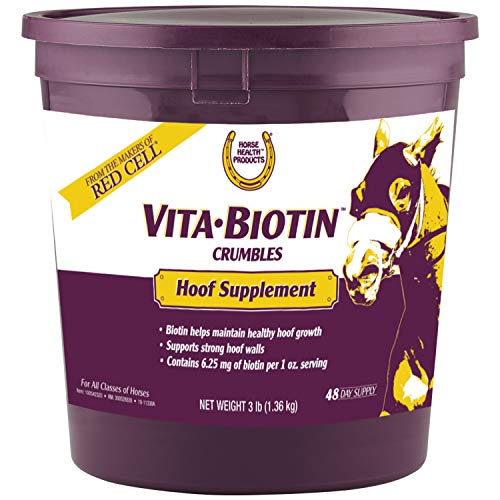
- Biotin-focused formula
- Crumble texture
- Listed hoof-growth use
- Daily feeding format
- Extra biotin is unnecessary if intake is already sufficient
Horse Health Vita Biotin Crumbles concentrates on a narrower question: whether a biotin-centered feed supplement fits the horse’s existing diet. The verified listing describes a crumbly daily feeding format, unlike a larger pellet or a powder that may settle in the bottom of a bucket. That texture can matter if the horse refuses fine powders or if feed is mixed by several caregivers. The product does not address the underlying mechanical and medical causes of navicular pain, so it should not be mistaken for a hoof-pain remedy.
Biotin is associated with normal hoof-horn formation, but the value of adding it depends on background nutrition and individual hoof quality. A horse already consuming sufficient biotin through a balanced feeding program may not gain much from another dose. Ask for the amount delivered per serving and confirm that it suits the horse’s weight and ration. Compared with Formula 707, this product offers a more biotin-focused decision, while products with zinc, methionine, and several other additions require a broader assessment of overlapping nutrients.
Crumbles can be easy to mix with a familiar feed, but they still require measured daily use over the months in which the hoof wall grows. Check whether the horse sorts the supplement out, especially when appetite changes or feed is damp. Keep a simple log of hoof growth and any changes in diet so routine farrier observations have context. If the horse’s stride shortens or lameness increases, call the veterinarian; normal-looking horn growth does not prove that navicular discomfort has improved.
My Recommendation
Vita Biotin Crumbles is worth considering when a clinician specifically wants to evaluate biotin intake and a horse accepts a crumbly feed addition. I prefer that focused question to buying several overlapping hoof mixtures without a plan. The product’s appeal is feeding convenience and a biotin-centered approach, but extra biotin may add little if the existing ration is sufficient. Measure the actual amount consumed each day and monitor new hoof growth with regular farrier observations. This would never be my response to sudden lameness; that warrants prompt veterinary evaluation.
3. Richdel Nu-Image Hoof and Coat

- Biotin included
- Zinc on ingredient list
- Lysine content
- Omega fatty-acid sources
- A coat-focused blend does not specifically target heel pain
Richdel Nu-Image Hoof and Coat is positioned for both hoof and coat nutrition. Its verified product details mention biotin, zinc, lysine, and sources of omega fatty acids. The wider cosmetic and structural focus is a meaningful difference from a nearly single-nutrient supplement. An owner whose horse has a dull coat and poor-quality hoof horn may want to discuss several parts of the feeding plan at once. Still, a supplement that supports ordinary coat appearance is not a targeted treatment for navicular-region pain.
Check the animal’s forage and concentrate program before interpreting the multiple nutrient claims. Lysine is an amino acid relevant to protein nutrition, while zinc and biotin contribute to normal tissues; none establishes that damaged hoof mechanics or bone changes can be reversed. If the horse already receives a complete mineral balancer, adding another broad formula can duplicate ingredients. Compared with Vita Biotin Crumbles, Nu-Image makes more sense as a general ration-review item than as a narrowly biotin-centered addition.
For a horse with a navicular diagnosis, the useful outcomes to track are normal hoof-wall condition, acceptance of the feed, and whether the veterinarian identifies an actual deficit. Do not credit a coat shine improvement with solving heel pain. Compare serving cost and any feeding restrictions on the current package, because a long-term supplement is only practical when the owner can supply it consistently. Continue scheduled hoof care and veterinary follow-up; worsening lameness should trigger an examination rather than a switch among hoof formulas.
My Recommendation
Richdel Nu-Image makes more sense to me for a general hoof-and-coat nutrition discussion than as a product aimed at navicular pain. The listing names biotin, zinc, lysine, and fatty-acid sources, so its useful distinction is a wider nutritional focus. I would ask how that profile fits a horse already receiving a fortified concentrate, especially before adding more minerals. Any improvement in coat appearance should be assessed separately from soundness. If the horse has chronic heel discomfort, maintain the veterinarian’s treatment plan while using hoof-wall condition, ration records, and farrier feedback to judge the feeding decision.
4. SU-PER Hoof

- Biotin and methionine
- Lysine listed
- Zinc source
- Hoof-structure focus
- Several mineral and amino-acid sources need ration checking
SU-PER Hoof contains a more extensive set of hoof-oriented nutrients, according to its listing: biotin, methionine, lysine, and zinc are among the named components. This makes it different from a plain biotin supplement and potentially more complicated to layer over an already fortified diet. Methionine and lysine contribute to amino-acid nutrition, while zinc has a role in normal tissue maintenance. Those general physiological roles do not imply that the formula repairs navicular structures or substitutes for appropriate farrier management.
The first comparison is not which container lists the most nutrients, but what the individual horse actually lacks. A veterinarian or qualified nutritionist can review forage testing, concentrate, balancer use, and any other hoof products to avoid unnecessary overlap. If zinc intake is already high, for example, indiscriminate addition could disrupt mineral balance. Contrast this broad profile with AniMed Biotin 100 for an owner evaluating a much simpler supplement, and check the guaranteed amounts rather than relying on marketing terms.
SU-PER Hoof may be convenient when a clinician recommends a combined hoof-nutrition approach, provided the serving size and full ration are appropriate. It is not a diagnostic tool for heel pain. Maintain consistent records of the product used, daily intake, hoof-wall photos, and farrier observations across complete growth cycles. If the horse begins resisting turns, shows worsening forelimb lameness, or develops heat and acute pain, professional assessment takes priority. A dietary add-on cannot tell you whether the underlying navicular diagnosis has changed.
My Recommendation
SU-PER Hoof belongs on the shortlist when a qualified professional identifies a need for several hoof-supporting nutrients rather than biotin alone. Its biotin, methionine, lysine, and zinc content is a reason to study the guaranteed analysis carefully. The main downside is potential overlap with mineral balancers or other supplements. I would calculate the complete daily intake before using it and keep the feeding routine consistent through the hoof-growth cycle. None of these ingredients should be described as reversing navicular pathology. For changes in pain or gait, I would rely on veterinary assessment rather than changing the scoop.
5. AniMed Biotin 100

- Biotin-forward formula
- Powder feeding style
- Hoof-strength positioning
- Bulk container
- Powder portions must be measured and the horse must accept the feed
AniMed Biotin 100 offers a powder-style supplement for owners who want to consider biotin without choosing a broad multi-ingredient hoof blend. The verified listing emphasizes biotin in a powdered format and markets the product for normal hoof strength. That simplicity can be useful when a ration has already been balanced for other nutrients and the care team specifically wants to review biotin. It is also a limitation: a powder cannot correct inadequate total protein, mineral imbalance, or mechanical loading of the heel.
Powder handling can make or break routine supplementation. The dose should be measured according to the current label and veterinary advice, then mixed into enough familiar feed that the horse reliably consumes it. Some animals leave powder at the bottom of the bucket, particularly when dry feed separates. Compare that experience with pelleted Farnam Horseshoer’s Secret or Vita Biotin Crumbles if acceptance is a concern. Check the actual biotin amount per serving; product naming does not by itself establish the correct daily intake.
This is a practical candidate only after a ration review identifies a reason to add biotin. Document when use begins and judge hoof-wall changes over many weeks or months as new horn grows. Do not interpret a less brittle-looking hoof as proof that navicular pain has been treated, and do not adjust prescribed medications or shoeing because a supplement is being fed. Store the powder dry and protect it from contamination. Reassess with the farrier and veterinarian if hoof quality remains poor despite a balanced diet.
My Recommendation
AniMed Biotin 100 is my simpler-format comparison for an owner considering a powder-based biotin addition. I would prefer it over a sprawling blend only when the ration is otherwise balanced and a clinician has identified a reason to review biotin. The powder must be measured accurately and fully consumed; material left at the bottom of the feed tub does not count as intake. Compare the precise amount per serving with the horse’s existing supplements. I would monitor the hoof wall over time and would never treat the product as a substitute for appropriate trimming, shoeing, or medical care.
6. Farnam Horseshoer’s Secret

- Pelleted form
- Biotin listed
- Copper and zinc
- Amino and fatty acids
- Duplicate fortified nutrients may be introduced
Farnam Horseshoer’s Secret comes in a pelleted form, and the verified listing mentions biotin, copper, zinc, amino acids, and fatty acids. Its format may suit horses that accept pellets more readily than loose powder or crumbs. The ingredient range is also broader than a simple biotin product, which means the existing feeding program matters before purchase. A navicular diagnosis alone is not a reason to give this blend. The product is intended to support normal hoof maintenance, not to diagnose or cure heel pain.
Pellets can simplify daily measurement if a horse is fed by several people, but first confirm the recommended serving amount and the full nutrient contribution. Copper and zinc must be considered alongside hay, commercial feeds, and mineral balancers. Fatty acids may be part of general nutrition, yet adding them will not correct an unsuitable shoeing or trimming plan. Compare this pelleted choice with powder formulas when feeding convenience and ingredient overlap are your main tradeoffs, rather than assuming one texture absorbs better or acts faster.
For practical use, check whether the horse eats the entire pellet serving or spits it out. Record regular farrier findings, hoof growth, and changes in ordinary feed so those observations can be interpreted sensibly. Long-term consistency matters more than frequent switching between similar blends. A supplement could support a documented dietary shortfall while the underlying lameness still requires veterinary treatment and hoof-care decisions. Sudden deterioration is not a reason to increase the serving; it calls for timely assessment.
My Recommendation
Farnam Horseshoer’s Secret may suit a horse that readily eats pellets and an owner who wants an established daily feeding routine. Its listing includes biotin, copper, zinc, amino acids, and fatty-acid ingredients, so I would review mineral totals before choosing it. A pelleted texture can improve practicality, but it does not make the formula medically superior or relevant to all navicular cases. Watch whether the full serving is eaten, calculate long-term cost, and document hoof growth alongside regular farrier visits. If lameness worsens, professional examination remains essential regardless of how consistently the product is fed.
7. Summit Equine Hoof Strength Powder

- Powder supplement
- Proprietary Vascorix botanical blend
- MSM on formula
- Zinc and calcium
- Daily price and overlapping ingredients deserve checking
Summit Equine Hoof Strength Powder has a particularly complex listing, combining biotin, methionine, zinc, MSM, calcium, and a proprietary Vascorix blend that includes named botanical and amino-acid-related ingredients. The verified package is an 11-ounce container described as roughly a 30-day supply. That composition makes it distinct from biotin-focused products, but it raises more questions about overlapping nutrients and why each component is being added. The listing’s hoof-strength language does not establish an effect on navicular bone changes or deep heel pain.
The proprietary blend is a reason to inspect the label carefully, not a shortcut to a medical conclusion. Ask the veterinarian whether every component is compatible with the horse’s medications, other supplements, and dietary needs. Compare the actual daily quantity of biotin and minerals with the ration, and consider any competition or medication rules if applicable. Unlike a straightforward crumbled biotin supplement, this formula may be harder to evaluate one ingredient at a time when an unexpected change in appetite or tolerance occurs.
With a relatively small container and stated month-long supply, cost per month is worth comparing before starting a long-term plan. Ensure the powder is consistently consumed, especially if the horse eats slowly or sorts feed. Track hoof growth using routine farrier photographs rather than attributing a short-term improvement in soundness to a nutrition product. The veterinarian and farrier should continue managing the mechanical and pain-related aspects of navicular disease. If the horse becomes acutely lame, pause speculation about supplements and seek appropriate care.
My Recommendation
Summit Equine offers the most complicated ingredient profile among these options, including biotin, methionine, MSM, zinc, calcium, and a proprietary Vascorix blend. I would consider it only after asking the veterinarian whether that complexity serves a real purpose for the horse’s ration. The stated 30-day supply makes monthly expense easy to compare, but unusual blend ingredients also raise compatibility questions. Read the complete label and check overlap with current feed. Its place is in a carefully supervised nutrition plan, not a promise of navicular pain relief or faster return to work.
How to choose best supplements for navicular horses
A hoof supplement is only one possible part of care for a horse with navicular syndrome. Use the steps below to separate a diagnosed lameness problem from a true dietary shortfall, then compare ingredient profiles and the time needed to assess normal hoof growth.
Check the veterinary diagnosis first
Navicular syndrome involves the heel region, but several conditions can cause similar lameness. A veterinarian may recommend examination, imaging, or diagnostic blocks before a treatment plan is made. A hoof supplement cannot correct a mechanically unsuitable foot or heal injured internal tissues. Ask how the horse’s body condition, workload, and shoeing relate to the plan. Nutrition is only one element of sound management. Avoid marketing that suggests biotin alone can reverse navicular pathology. Treat sudden or severe lameness as an urgent medical concern.
Read the existing ration and labels
Hay, concentrate, and mineral supplements can already supply much of the biotin, copper, zinc, and amino acids on a hoof product label. Adding multiple preparations may duplicate nutrients without creating a useful benefit. Have your veterinarian review all the ingredients and daily serving amounts. Compare pellet, crumble, and powder forms for measured feeding and acceptance. A simple ingredient list is not inherently inferior to a complex blend. Formulation should match the actual nutritional gap rather than a product’s promotional promise.
Choose a long-term monitoring plan
Healthy hoof wall grows gradually, so visible changes take months rather than days. Work with the farrier to photograph growth, monitor cracks or flaring, and evaluate whether the overall hoof routine is improving. Keep lameness assessment separate from hoof quality. Price per daily serving, dosing clarity, and ingredient overlap are practical purchasing considerations. If the horse becomes more uncomfortable, contact your veterinarian rather than escalating supplement quantities. Be clear about the outcome you are trying to improve.
A nutritional supplement is easiest to assess when the rest of the ration stays stable. Record the horse’s feed and body condition, along with the date of changes. Sudden switching makes it difficult to know what helped. Follow manufacturer’s storage and feeding directions, and do not use human supplements without veterinary approval. A product that contains more ingredients than the horse needs should not receive an automatic higher ranking. An effective comparison also considers the time needed to evaluate results. Make changes deliberately, keep the animal’s established routine consistent, and record what is actually used. Where an illness or injury is involved, talk with the treating veterinarian. The purpose is informed purchasing, not a promise that one product suits all animals.
Related PetAdvisorPro Guides
For complementary guidance, see navicular warning signs and veterinary checks; and questions about feeding navicular horses; and preparing for a hoof supplement; and feeding options for horses with navicular concerns. These published guides help connect product choices to useful animal care decisions.
Frequently Asked Questions
Can hoof supplements cure navicular disease?
No. They may provide nutrients needed for hoof growth but do not treat navicular structures or replace veterinary care.
Is biotin helpful for every navicular horse?
Not necessarily. Its usefulness depends on nutritional status and the complete feeding plan.
Can I combine several hoof formulas?
Ask the veterinarian to check overlapping ingredients and total nutrient levels before combining products.
How quickly do hooves respond?
Hoof growth is slow, so visible changes may take months. Monitor hoof quality with the farrier.
What if the horse is suddenly much more lame?
Seek veterinary assessment promptly rather than trying a new supplement as treatment.
Final Verdict
No product here cures navicular syndrome. Formula 707 and Farnam Horseshoer’s Secret offer multi-ingredient hoof-nutrition profiles, while simpler biotin products can be considered when a particular dietary gap is identified. Ask the veterinarian and farrier to check the complete ration and hoof-care plan first. Choose a feeding form your horse accepts, and evaluate normal hoof growth without mistaking it for treatment of heel pain.
Affiliate disclosure: This article contains Amazon affiliate links. If you purchase through them, PetAdvisorPro may earn a commission. As an Amazon Associate I earn from qualifying purchases.









