
If your dog has ever stared at your dinner plate with the intensity of a professional food critic, you probably know the feeling. Salmon skin is especially tempting to share because it smells fantastic and contains valuable nutrients.
But can dogs eat salmon skin? Yes—dogs can eat properly cooked salmon skin in small amounts, provided it is plain, thoroughly cooked, and completely free of bones. Salmon skin contains beneficial fats, including omega-3 fatty acids, but that does not mean your dog should receive a large serving of it every day.
The bigger concerns are how the salmon was prepared and what else is attached to it. Raw or undercooked salmon can expose dogs to parasites and harmful bacteria, while fish bones can cause choking, injury, or intestinal problems. Seasonings such as garlic and onion are also unsafe for dogs.
So, can dogs eat salmon skin? Yes, but preparation matters enormously.
Can Dogs Eat Salmon Skin?
Yes, can dogs eat salmon skin is a question with a fairly straightforward answer: properly cooked salmon skin can be safe for dogs when offered in moderation. Salmon skin contains protein and omega-3 fatty acids. These fats are associated with supporting normal skin, coat, and other body functions. Salmon itself is also a common ingredient in commercial dog foods.
However, the safest version is not the crispy restaurant salmon skin covered in butter, garlic, salt, sauce, or other seasonings. Your dog does not need a gourmet dinner. Plain is better. If you are sharing salmon from your own dinner, remove the skin carefully, check for bones, and make sure there are no sauces or seasonings on the portion you give your dog.

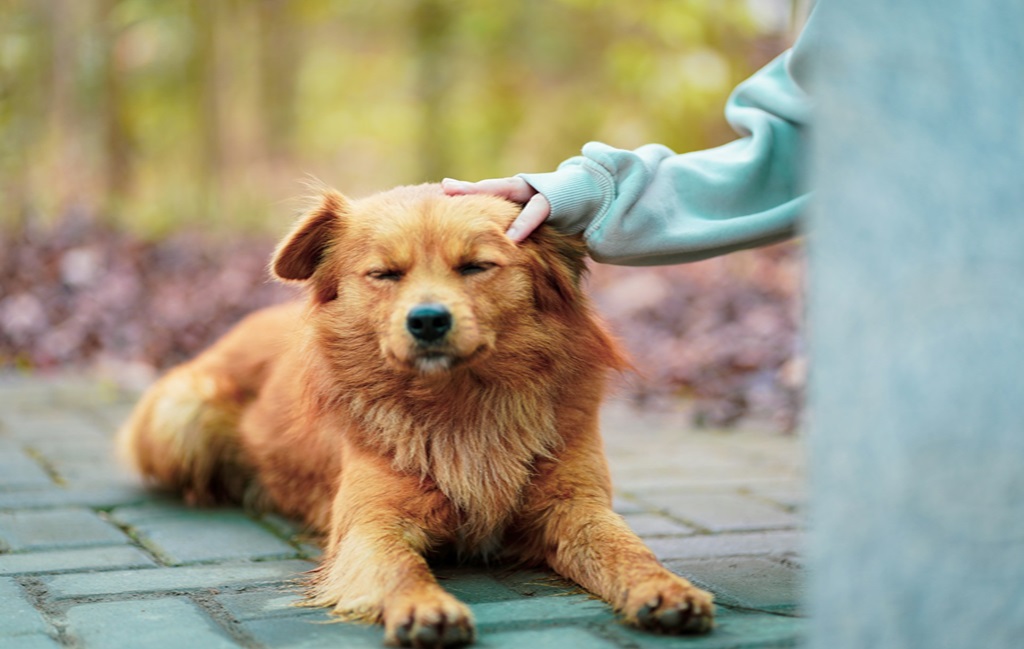
Source & license: The image was originally published on Pixabay and is documented on Wikimedia Commons as CC0/Public Domain, allowing commercial use without permission or attribution requirements
Is Salmon Skin Safe for Dogs?
Generally, yes, when it is fully cooked and prepared appropriately. There are several things that make the difference between a reasonable occasional treat and a potentially dangerous snack.
1. The salmon should be thoroughly cooked
Cooking reduces the risk from parasites and bacteria associated with raw or undercooked fish. The AKC specifically recommends thoroughly cooking salmon before giving it to dogs.
2. The skin should be plain
Avoid salmon skin covered with:
- Garlic
- Onion
- Heavy sauces
- Excessive salt
- Spicy seasonings
- Large amounts of butter
- Excessive oil
Some of these ingredients can be harmful to dogs, while high-fat preparations can cause digestive problems.
3. Remove every bone you can find
This is one step I would never skip. Fish bones are small, brittle, and surprisingly easy to miss. Even a dog with impressive chewing skills is not automatically equipped to safely deal with sharp fish bones.
4. Feed a small amount
Salmon skin is relatively rich and fatty compared with many ordinary treats. A little may be perfectly reasonable; a huge serving is another story.
Nutritional Benefits of Salmon Skin for Dogs
One reason can dogs eat salmon skin gets asked so often is that salmon is nutritionally valuable. Salmon provides high-quality protein and omega-3 fatty acids. The skin can also contain a concentrated amount of these beneficial fats. Omega-3 fatty acids are commonly associated with supporting normal skin and coat health and may have roles in maintaining healthy inflammatory processes. That does not make salmon skin a medicine, though.
If your dog has itchy skin, arthritis, allergies, or another medical condition, do not assume that feeding extra salmon skin will treat the problem. A veterinarian should evaluate persistent or significant symptoms. For a healthy dog already eating a complete and balanced diet, salmon skin is best viewed as an occasional food rather than a nutritional requirement.
Can Dogs Eat Raw Salmon Skin?
This is where the answer changes. Dogs should not be given raw or undercooked salmon skin. Raw fish can carry parasites and harmful bacteria. Salmon can also be associated with salmon poisoning disease, a potentially serious illness in dogs exposed to infected raw salmon. The AKC warns that raw salmon can carry parasites associated with salmon poisoning disease and recommends thoroughly cooking salmon before feeding it to dogs.
So if your dog grabbed a piece of raw salmon from the kitchen floor, do not simply assume, “It’s just fish.” Contact your veterinarian promptly for guidance, particularly if your dog consumed a meaningful amount or begins showing symptoms. Raw fish also creates a food-safety issue for people in the household because certain pathogens can be transferred through contaminated food, bowls, surfaces, or feces.

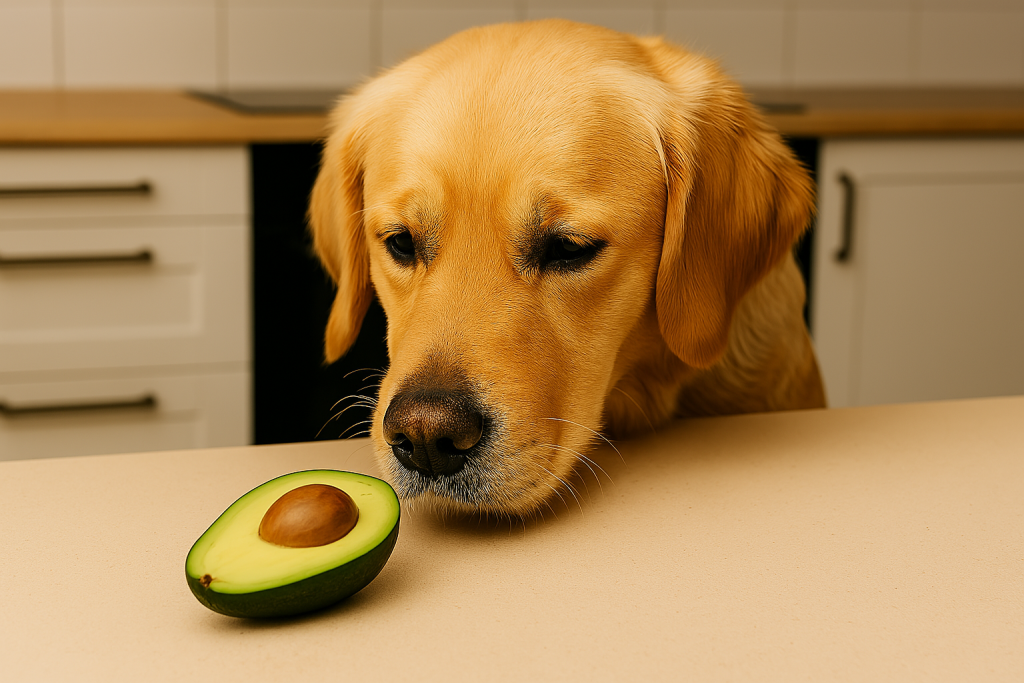
Source & license: Wikimedia Commons documents this photograph as originating from Pixabay and released under CC0, meaning it can be copied, modified, and used commercially without asking permission.
Can Dogs Eat Salmon Bones?
No—this is one part of the salmon dinner that should stay off your dog’s menu. Can dogs eat salmon bones? It is safer to assume they should not. Fish bones are small and brittle. They can become lodged in the mouth or throat, create a choking hazard, or cause injury as they move through the digestive tract.
The AKC specifically recommends removing salmon bones before feeding salmon to dogs because fish bones can cause choking or potentially injure the digestive tract. VCA Animal Hospitals also warns that bone fragments can become trapped in the stomach or cause intestinal blockage. In serious cases, surgical or endoscopic removal may be necessary.
This is why I would never deliberately give a dog a salmon carcass simply because it seems natural for them to chew. Nature is not exactly known for providing an instruction manual.
What If My Dog Accidentally Eats a Salmon Bone?
Don’t panic, but don’t ignore it either. The appropriate response depends on the size and number of bones eaten, the dog’s size, and whether symptoms develop.
Watch for signs such as:
- Excessive drooling
- Pawing at the mouth
- Difficulty swallowing
- Gagging
- Repeated vomiting
- Abdominal discomfort
- Loss of appetite
- Lethargy
- Difficulty breathing
If your dog is choking, having difficulty breathing, showing significant pain, or appears seriously unwell, seek emergency veterinary care immediately. For a swallowed bone that is not causing immediate symptoms, contact your veterinarian for individualized advice rather than trying to make your dog vomit unless specifically instructed to do so.
How to Safely Prepare Salmon for Dogs
If you want to share salmon with your dog, keep the preparation simple.
Step 1: Choose fresh salmon
Use fresh salmon that has been stored and handled properly.
Step 2: Cook it thoroughly
Bake, steam, poach, or otherwise cook the salmon thoroughly.
Avoid serving raw or undercooked salmon.
Step 3: Remove all bones
Inspect the fish carefully before serving. Run your fingers gently over the flesh to help locate small bones, while remembering that visual inspection alone is not always perfect.
Step 4: Skip the seasoning
Prepare your dog’s portion without garlic, onion, spicy sauces, excessive salt, butter, or other rich ingredients.
The AKC recommends plain cooked salmon without additional oils or seasonings.
Step 5: Let it cool
Do not give your dog salmon straight from the oven or pan.
Step 6: Serve a small portion
Treat salmon and salmon skin as an addition to your dog’s normal diet, not a replacement for a complete and balanced food.
How Much Salmon Skin Can a Dog Eat?
There is no single portion that is appropriate for every dog. A 10-pound Chihuahua and a 90-pound Labrador have very different nutritional requirements. Age, weight, activity level, overall health, existing diet, and individual tolerance all matter. When introducing salmon for the first time, start with a small amount. This makes it easier to notice whether your dog develops digestive upset.
The AKC notes that portion size depends on the individual dog and that salmon should be fed in moderation rather than becoming the bulk of the diet. If your dog has a history of pancreatitis, obesity, food intolerance, or is eating a prescription diet, ask your veterinarian before adding salmon skin or other high-fat treats.
Can Dogs Eat Salmon Skin Every Day?
It is generally better not to make salmon skin an everyday table-food habit. Even nutritious foods can become problematic when fed excessively. Salmon skin contains fat, and repeatedly adding extra calories can contribute to weight gain. More importantly, a dog eating a complete and balanced commercial diet generally does not need large quantities of additional human food to meet nutritional requirements.
Think of salmon skin as an occasional bonus rather than a daily nutritional assignment. If you want salmon to be a regular part of your dog’s diet, a commercially formulated complete and balanced food containing salmon may be a more appropriate approach than repeatedly adding leftover salmon to meals.
What Are the Risks of Feeding Salmon Skin to Dogs?
The skin itself is not usually the main problem. Preparation is. Potential problems include:
Raw or undercooked salmon
This may expose dogs to parasites or harmful bacteria and can potentially cause serious illness.
Salmon bones
Bones may cause choking, mouth or throat injury, intestinal irritation, or obstruction.
Excessive fat
Large quantities of fatty foods can cause gastrointestinal upset and may contribute to more serious problems such as pancreatitis in susceptible dogs.
Seasonings
Garlic and onion are examples of ingredients that should not be included in food prepared for dogs.
Too much food
Even safe foods can contribute unnecessary calories when portions become excessive.
Signs Your Dog May Have a Problem After Eating Salmon
If your dog eats a small amount of properly cooked, plain, boneless salmon skin, serious problems are unlikely for most healthy dogs. Still, every dog is different.
Watch for:
- Vomiting
- Diarrhea
- Excessive drooling
- Gagging
- Pawing at the mouth
- Difficulty swallowing
- Abdominal discomfort
- Loss of appetite
- Weakness or unusual lethargy
- Difficulty breathing
If symptoms are severe, persistent, or rapidly worsening, contact a veterinarian. Do not attempt to diagnose your dog based solely on an online article.
When Should You Call a Veterinarian?
Contact your veterinarian if your dog:
- Ate raw or undercooked salmon
- Swallowed salmon bones
- Ate a large amount of salmon skin
- Ate salmon prepared with potentially harmful ingredients
- Is vomiting repeatedly
- Has difficulty breathing or swallowing
- Shows significant abdominal pain
- Becomes unusually weak or lethargic
- Develops concerning symptoms after eating salmon
If you suspect choking or another immediate emergency, seek emergency veterinary care rather than waiting for symptoms to resolve.
Frequently Asked Questions
Can dogs eat salmon skin?
Yes. Can dogs eat salmon skin? Healthy dogs can generally eat a small amount of thoroughly cooked, plain salmon skin, provided it contains no bones or harmful seasonings. Moderation is important.
Can dogs eat raw salmon skin?
No. Raw salmon skin is not considered a safe choice because raw fish can carry parasites and harmful bacteria. Raw salmon is also associated with the risk of salmon poisoning disease in dogs.
Can dogs eat salmon bones?
It is safer not to give dogs salmon bones. Fish bones can be sharp and brittle and may cause choking, digestive-tract injuries, or intestinal obstruction.
Is cooked salmon skin healthy for dogs?
Cooked salmon skin can provide protein and omega-3 fatty acids, but it should be considered an occasional addition rather than a required part of a dog’s diet. Serve it plain, thoroughly cooked, boneless, and in small quantities.
What should I do if my dog eats salmon bones?
Contact your veterinarian for advice, particularly if your dog swallowed multiple bones or is showing symptoms. Watch for gagging, excessive drooling, difficulty swallowing, vomiting, abdominal discomfort, lethargy, or breathing problems. If your dog appears to be choking or struggling to breathe, seek emergency veterinary care immediately.
Final Words
So, can dogs eat salmon skin? Yes—properly cooked, plain, boneless salmon skin can be an occasional treat for many healthy dogs. The key is preparation.
Cook the salmon thoroughly, remove every bone you can find, avoid garlic, onion, heavy seasoning, butter, and excessive oil, and offer only a modest portion. Raw or undercooked salmon should be avoided because of parasite and bacterial risks, while salmon bones can cause choking, injury, or intestinal obstruction.
If your dog already eats a complete and balanced diet, there is no need to turn salmon skin into a daily supplement. A little shared safely can be a nice treat; a whole salmon dinner is unnecessary. And if your dog manages to steal raw salmon, swallow bones, or develops concerning symptoms afterward, skip the internet detective work and call your veterinarian.
Your dog may believe every food in the house belongs to them. Unfortunately, their confidence is not a substitute for food-safety knowledge. 🙂