
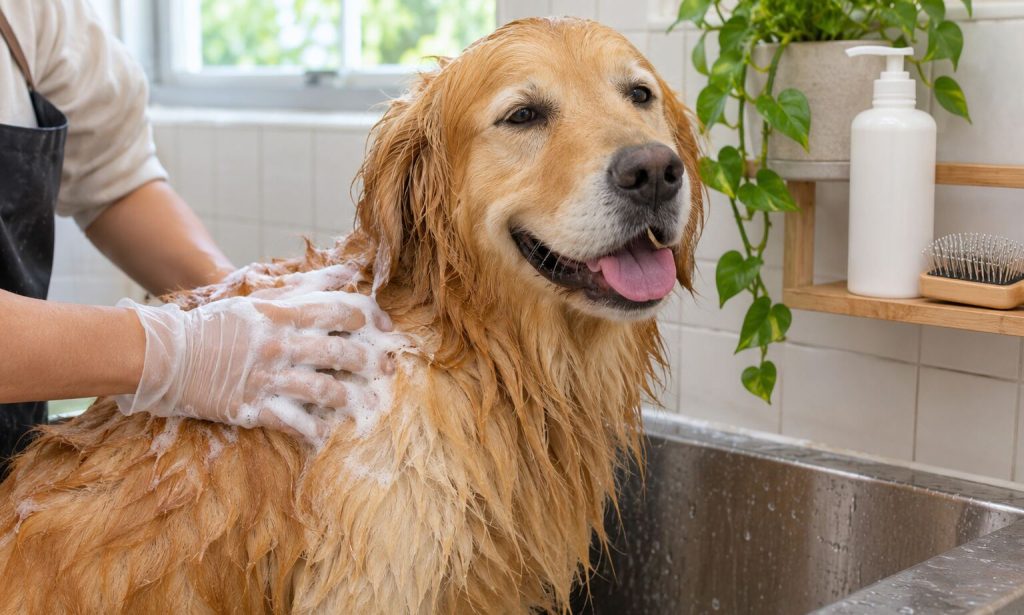
Shedding is normal for most dogs, but the volume of loose hair can make grooming feel endless. How to compare dog shampoo for shedding options by fit and use starts with a simple truth: shampoo does not stop the natural hair-growth cycle. It can help loosen dirt and shed hair during bathing, while brushes and regular coat care remove much of what is already loose.
When considering dog shampoo for shedding, pay attention to your dog’s coat type, skin health, bathing tolerance, and the way the formula should be used. This guide explains how to compare cleaning strength, conditioning, fragrance, rinseability, and maintenance needs. The best routine is one that leaves skin comfortable, coat clean, and bath time calm enough to repeat without turning every bathroom visit into a wet-dog wrestling event.
Start With the Coat, Not the Shampoo Bottle
A Labrador’s short double coat behaves differently from a Poodle’s continuously growing curls or a Spaniel’s feathered fur. Double-coated dogs may release heavy undercoat during seasonal shedding. Short-coated dogs can shed steadily, while some curly-coated breeds trap loose hair in the coat and need careful brushing to prevent matting. The product category alone cannot describe these needs.
Check whether the dog has dense undercoat, long guard hairs, tangles, dry skin, or a coat that mats easily. The deshedding guide for short-haired dogs is helpful when loose coat removal is the main challenge. Use a coat-specific brush and a gentle approach. Bathing loosens hair, but a poor brushing technique can irritate the skin.
Know what your dog’s normal shedding looks like
Notice whether hair loss is even or patchy. Ordinary seasonal shedding should not create bald spots, broken skin, or ongoing intense itch. Sudden changes, redness, odor, fleas, or excessive scratching need veterinary assessment. A new shampoo may not solve hormonal, parasitic, allergic, or other medical causes of hair loss.
Compare Cleansing Strength and Skin Tolerance
A useful shampoo removes soil and excess skin oils without leaving the coat harsh or the skin tight. Very strong detergents may irritate some dogs, especially when used too often. “Deep cleaning” is not always better for a dog who receives frequent baths or already has dry skin. Look for clear dog-specific use instructions and an appropriate dilution or contact-time recommendation.
For dogs with easily irritated skin, consider what the skin needs before focusing on shedding claims. Our information on shampoo and conditioner for itchy dog skin explains relevant care considerations. A dog with an active skin condition may need a veterinarian-directed bathing plan rather than routine cosmetic shampoo.
Avoid relying on fragrance
A strong fragrance can make the coat smell pleasant while irritating sensitive animals or their people. Mild or fragrance-free routines are often easier to evaluate because unusual odor is less masked. Never use human shampoo as a default substitute; canine skin and coat needs differ. If irritation starts after a bath, stop the new routine and consult a veterinarian.
Compare Conditioning, Detangling, and Rinsing
Conditioning ingredients can help reduce friction in long or dry coats, making gentle brushing easier. They do not directly switch off shedding. For a thick undercoat, the important question is whether the coat rinses thoroughly and dries safely. Leftover residue may contribute to irritation and attract dirt, while trapped moisture can cause discomfort in dense coats.
Compare the instructions for use: whether the formula is concentrated, whether a separate conditioner is expected, and how much water is needed for a complete rinse. A simple formula with clear steps can be easier to use correctly than a complicated routine. Product claims are less useful than practical fit with your dog’s bathing conditions.
Drying is part of the bath
Use absorbent towels and gentle airflow appropriate to the coat and the dog’s tolerance. Check skin folds and dense areas for dampness. Avoid high heat or forcing an anxious dog to stand near a loud dryer. Brush only when the coat is ready for the technique being used. For some breeds, a professional groomer can explain safe drying methods.
Compare the Bathing Process From Start to Finish
Before a bath, brush out manageable tangles and remove some loose hair. Prepare a nonslip mat, lukewarm water, towels, and a quiet workspace. Wet the coat thoroughly while avoiding eyes and ears. Use the amount recommended by the shampoo instructions, work gently with the direction of the hair, and rinse until water runs clear.
Bathing frequency depends on skin health, coat type, activities, and veterinary advice. There is no universal calendar that fits every dog. Texas A&M veterinary experts advise considering skin and coat condition when setting a grooming schedule. Bathing too often can be counterproductive for some coats, while dogs with prescribed skin care may need a different plan.
Keep bath stress low
Break the process into manageable steps with calm praise and rewards. Never force a frightened dog into a slippery tub. Use predictable handling and keep water pressure gentle. If the dog becomes distressed, pause and seek help from a low-stress groomer. FYI, the bathroom drain will probably collect more fur than your actual dog after a successful deshedding bath.
Test Whether a Shampoo Fits Daily Life
Practical fit includes the size of the dog, number of baths needed, storage space, skin sensitivity, and how easily the bottle is handled with wet hands. Check whether it rinses clean without repeated washing. A product that takes too long to remove can create stress for dogs who dislike baths. Consider ease of measured dilution and whether anyone helping can follow the instructions.
Notice the coat after it dries. Is the skin calm? Is the fur clean without feeling brittle? Can loose hair be brushed out gently? Did the dog seem comfortable during the process? One bath is not enough to prove that a product reduces normal shedding over time. Evaluate comfort and maintenance rather than expecting a dramatic permanent change.
Keep a small grooming log
Write down bath date, shampoo type, skin reaction, brushing time, and changes in shedding. This is especially useful when you try a new routine or notice seasonal changes. Record unusual symptoms with photos when appropriate, then share them with your veterinarian. Repeatability helps separate seasonal coat changes from product-related irritation.
What Shampoo Cannot Fix
A shedding shampoo cannot correct nutritional deficiencies, parasites, bacterial or fungal skin disease, endocrine illness, or severe allergies. Some dogs shed more during seasonal transitions, stress, illness, or changes in coat condition. If the hair loss is abrupt or accompanied by bald areas, scabs, skin odor, or discomfort, medical evaluation is more useful than more frequent bathing.
Avoid promises of “zero shedding” or permanent coat control. Healthy dogs replace hair naturally. A reasonable goal is easier removal of loose hair, clean skin, and a coat that can be maintained comfortably. Pair bathing with a suitable brush, regular inspection of the skin, clean bedding, and parasite prevention advised by your veterinarian.
When to seek veterinary help
Seek advice for persistent itch, reddened skin, painful hot spots, recurrent ear problems, unusual odor, or sudden hair loss. A veterinarian may recommend tests or a medicated product for a diagnosed condition. Do not combine cosmetic shampoos and prescribed treatments without checking compatibility.
Frequently Asked Questions
The word “deshedding” can make everyday grooming sound like a special treatment. In reality, shampoo plays a supporting role within routine coat care.
These answers help set realistic expectations before the next bath. Adjust methods to your dog’s coat, skin condition, and tolerance rather than relying on a universal schedule.
Can shampoo stop a dog from shedding?
No. Normal shedding is part of hair growth. Bathing can loosen and remove some already-shed fur, but it cannot stop the cycle.
Should I bathe a heavy shedder every week?
Not automatically. Frequency should reflect coat type, skin health, activity, and veterinary guidance. Excessive bathing can irritate some dogs.
Do double-coated dogs need a different routine?
Often yes. Dense undercoats need thorough rinsing, careful drying, and suitable brushing. Avoid techniques that damage the coat.
Is a strong fragrance helpful?
Scent does not measure cleanliness and may bother sensitive skin or noses. Prioritize gentle cleaning and complete rinsing.
When should I worry about hair loss?
Bald patches, redness, intense itch, sores, or sudden changes warrant veterinary advice. They are not typical shedding problems.
Final Words
To compare dog shampoo for shedding options by fit and use, start with the coat and skin, not a promise on the label. Assess cleansing gentleness, rinsing, conditioning, bath comfort, and the work required afterward. The goal is manageable loose hair and healthy skin, not an impossible shed-free dog.
A thoughtful dog shampoo for shedding routine works best alongside brushing, careful drying, and occasional grooming help. Keep notes, adjust to the season, and seek veterinary guidance when the pattern changes. Consistency usually makes more difference than adding another bottle to the bathroom shelf.









