
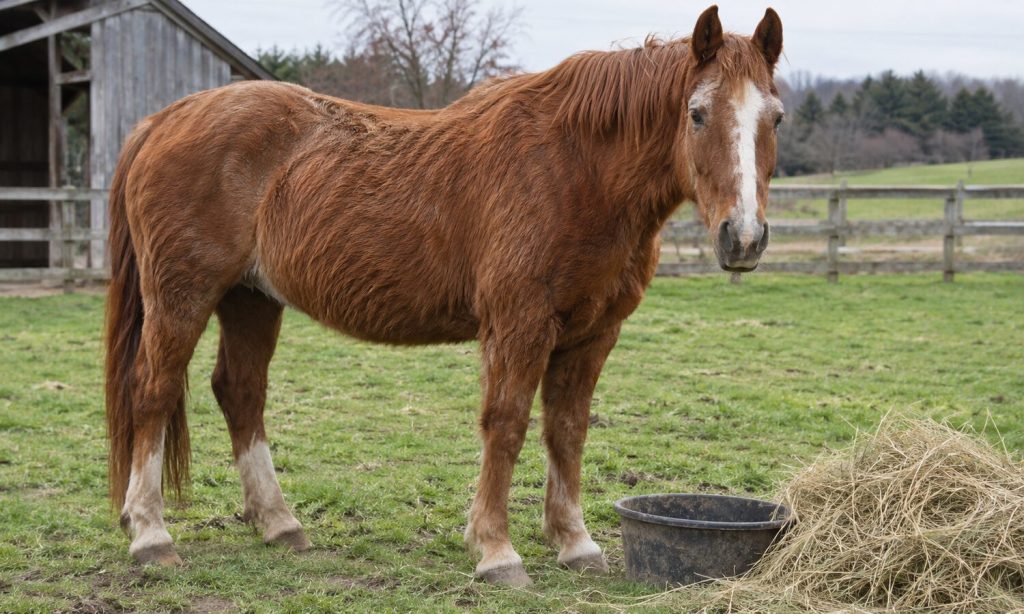
What to look for in a supplements for horses with Cushing’s starts with understanding the diagnosis. Equine Cushing’s disease is commonly called pituitary pars intermedia dysfunction, or PPID. It is a chronic endocrine disorder that can affect coat shedding, muscle condition, immunity, and laminitis risk. No general supplement cures PPID or replaces the veterinarian’s treatment plan. A safe decision considers the horse’s complete diet, insulin status, medications, and any real nutritional gaps.
Owners researching supplements for horses with Cushing’s may see confident claims about hormones, immune strength, or hoof protection. Those claims need careful scrutiny. This guide explains how to assess ingredient lists, sugar and starch concerns, mineral balance, feeding practicality, medication interactions, and warning signs. The aim is supportive nutrition where appropriate, alongside veterinary care rather than in place of it.
Make PPID Treatment the Foundation
PPID can cause delayed shedding, a long curly coat, loss of muscle, increased thirst, and other changes. Veterinarians use clinical findings and endocrine testing to diagnose and monitor it. According to UC Davis, pergolide mesylate is the licensed medication used to treat PPID in horses. Nutrition and management support the horse, but they do not replace appropriate medical treatment.
What to look for in a supplements for horses with Cushing’s must therefore begin with a review of the current treatment. Tell the veterinarian about all additives, herbal blends, medications, and changes in appetite. Do not stop pergolide or change its dose to experiment with a powder. If a horse refuses feed or develops new problems, the veterinary team should assess the situation.
Know the Laminitis Warning Signs
PPID can coexist with insulin dysregulation, which may increase laminitis risk. Reluctance to walk, shifting weight, warmth in the hooves, or a sudden painful stance calls for urgent veterinary attention. Do not wait to see whether a supplement helps. Prompt diagnosis and management of hoof pain are critical to welfare.
Check the Whole Diet Before Adding Nutrients
A horse may already receive vitamins and minerals through fortified feed, a ration balancer, forage, and other supplements. Adding more is not automatically beneficial. A nutrition professional can review hay analysis, forage intake, body condition, and the full ration. Appropriate protein, fiber, minerals, and calories matter more than the presence of a fashionable ingredient.
What to look for in a supplements for horses with Cushing’s includes transparency about exact nutrient quantities. A product that lists only broad ‘proprietary blends’ makes total-intake calculations difficult. Ask whether a specific deficiency has been identified. If not, a balanced ration may be more appropriate than adding multiple overlapping formulas.
Avoid Double-Counting Minerals
Zinc, copper, selenium, vitamin A, and other nutrients have useful roles but also safe intake ranges. More is not necessarily better. Combining a general supplement with a fortified concentrate and hoof formula can duplicate ingredients. Review the full label inventory with the veterinarian or equine nutritionist before changing amounts.
Consider Sugar, Starch, and Insulin Status
Not every horse with PPID has the same insulin status. Some need careful dietary management because they are insulin-dysregulated or have laminitis history. A clinician may recommend a forage and feeding plan that limits nonstructural carbohydrates. A sweetened supplement or palatable carrier can add sugar that is easy to overlook when focusing only on the active ingredients.
What to look for in a supplements for horses with Cushing’s includes the actual amount fed and the total diet’s carbohydrate profile. Check ingredients and ask the manufacturer for adequate nutritional details if the label is vague. Do not assume a tiny scoop is metabolically irrelevant without knowing its contents. Our related guide to forage considerations for insulin-resistant horses provides dietary context, but a PPID plan should remain individualized.
Do Not Apply One Diet to Every PPID Horse
A lean older horse with muscle loss may have different calorie and protein needs from an overweight insulin-dysregulated pony. Restricting feed without professional advice can worsen loss of condition. Ask for a plan that balances weight, forage access, endocrine testing, and any concurrent disease. Monitor condition regularly instead of relying solely on appearance of the mane.
Evaluate Evidence and Product Claims
Be cautious of claims that a supplement ‘balances hormones,’ ‘reverses Cushing’s,’ or prevents laminitis. Ask what controlled studies support that exact ingredient and outcome in horses. A marketing testimonial is not proof of clinical efficacy. Likewise, ingredients commonly discussed for general health cannot be assumed to treat a complex pituitary disorder.
What to look for in a supplements for horses with Cushing’s is a clearly defined nutritional purpose, an accurate label, appropriate quality control, and safety information. Discuss the formula with a veterinarian before giving it. If the intended effect is treatment of PPID rather than correction of a dietary shortfall, the claim deserves particular skepticism and professional review.
Separate Supportive Care From a Cure
Regular hoof care, dental evaluation, appropriate forage, and treatment monitoring are part of PPID management. A supplement may be considered for a documented nutrition issue, but that role is limited. Keep expectations focused on measurable health and nutrition goals rather than promises about reversing the endocrine condition.
Plan Safe Feeding and Monitoring
If a veterinarian approves an addition, follow the approved amount and feeding instructions precisely. Introduce only one change at a time when practical, and record feed acceptance, appetite, manure, weight, and any concerning signs. Keep the supplement in its original labeled container, away from heat, moisture, and pests. Do not share a horse-specific regimen across animals.
What to look for in a supplements for horses with Cushing’s also includes ease of measured dosing and consistency over time. Ask when the horse should be rechecked and which clinical signs are relevant. The veterinary team may monitor endocrine tests, body condition, hoof health, and medication response. A visible coat improvement does not prove that the disease is controlled.
Watch for Interaction and Competition Concerns
Herbal ingredients and nutritionally active substances may interact with medicines or affect competition eligibility. Tell the veterinarian exactly what the horse receives. If the horse competes, verify relevant rules through the governing organization. Do not assume a ‘natural’ label means risk-free or permitted.
Common Selection Mistakes to Avoid
Major mistakes include choosing by popularity alone, ignoring the diet’s total mineral load, overlooking sugar in carriers, and treating PPID like a simple vitamin deficiency. Another is confusing normal seasonal shedding with endocrine control. Diagnosis and follow-up should remain with the veterinarian, especially when symptoms change despite treatment.
What to look for in a supplements for horses with Cushing’s should lead to an informed question: does this product safely fill a documented nutritional need? If the answer is unclear, there may be no reason to add it. Money spent on unproven supplements cannot replace timely hoof care, suitable forage, or regular veterinary monitoring.
Ask These Questions Before Any Trial
What deficiency or purpose is being addressed? How does it fit the forage analysis and current ration? Does it add sugar or duplicate nutrients? Could it conflict with medication? What outcomes should be recorded? When should we stop or reassess? A clear set of answers makes the plan safer for an older horse.
Frequently Asked Questions
PPID is a medical condition, and supplement decisions are best made as part of a care plan. These answers address frequent confusion about treatment, nutrition, and monitoring.
Individual horses vary, especially in insulin status and body condition. Do not substitute generic online feeding rules for a veterinarian’s recommendations.
Can a supplement cure Cushing’s disease in horses?
No. There is no established supplement cure for PPID. Veterinary diagnosis, appropriate treatment, and ongoing management are needed.
Do all PPID horses need low-sugar diets?
Not every horse has the same metabolic status. Insulin dysregulation and laminitis history influence diet planning. Seek individualized advice.
Can I stop pergolide if the coat improves?
No. Do not alter prescribed medication without veterinary direction. Coat appearance alone does not establish endocrine control.
Are herbal supplements always safe for older horses?
No. Ingredient safety, interactions, and quality vary. Review the exact formula with the veterinarian before use.
What signs mean I should call the veterinarian?
New hoof pain, marked appetite loss, weakness, increased drinking, worsening illness, or unexpected treatment reactions warrant prompt assessment.
Final Words
What to look for in a supplements for horses with Cushing’s is evidence, clarity, and fit with an individual PPID care plan. Review the whole ration, insulin status, forage, medications, and hoof health first. A supplement may address a documented nutritional need, but it should never replace prescribed treatment or ongoing veterinary checks.
Treat published information about supplements for horses with Cushing’s as background for a clinical discussion, not a cure claim. Prioritize comfortable movement, adequate nutrition, safe feeding, and timely monitoring. If laminitis signs appear, contact your veterinarian urgently.
Reference
Clinical PPID guidance: UC Davis Center for Equine Health — Pituitary Pars Intermedia Dysfunction; and UC Davis — Laminitis.
Nutrition and endocrine management: University of Minnesota Extension — Glucose and Insulin in Grazing Horses; and Equine Veterinary Education — Nutritional Management in PPID.









