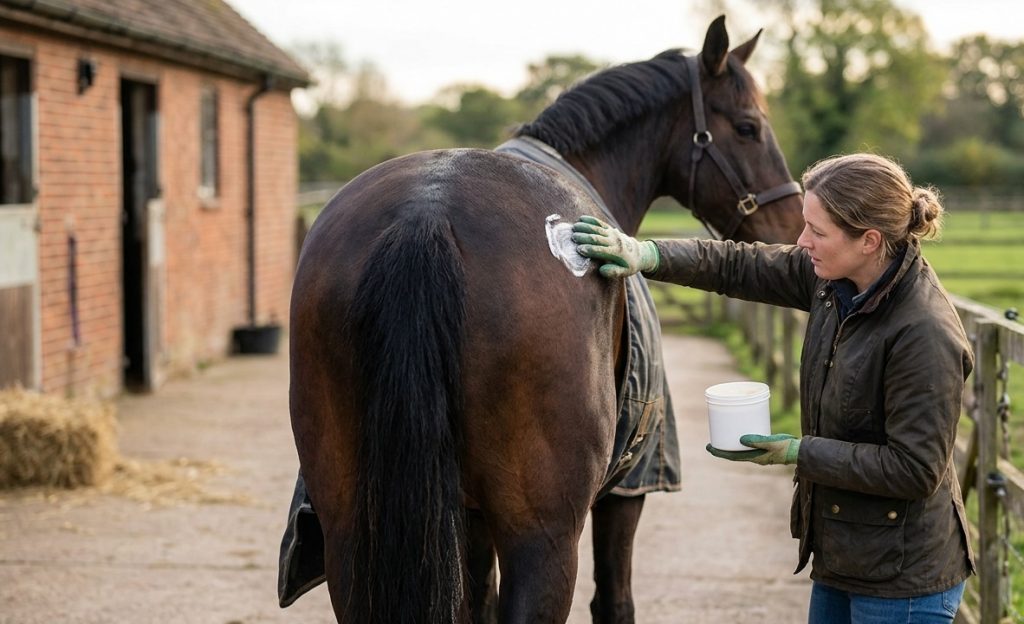
When a horse rubs its mane raw, chews at its sides, or develops itchy patches, the itch is a clue rather than a diagnosis. Parasites, insect bites, infection, allergies, and irritation can look similar at first. Veterinarians combine the horse’s history with a careful skin and whole-body examination, then choose tests that fit the pattern. That stepwise approach helps avoid masking an infection or treating the wrong cause. It also explains why a quick cream may soothe a spot without answering why it started. If you are researching anti itch cream for horses, use it as a care question to discuss, not a substitute for diagnosis. Knowing what a veterinarian may check can help you prepare useful details and recognize when an appointment should be prompt.
Itching is a sign, not a final diagnosis
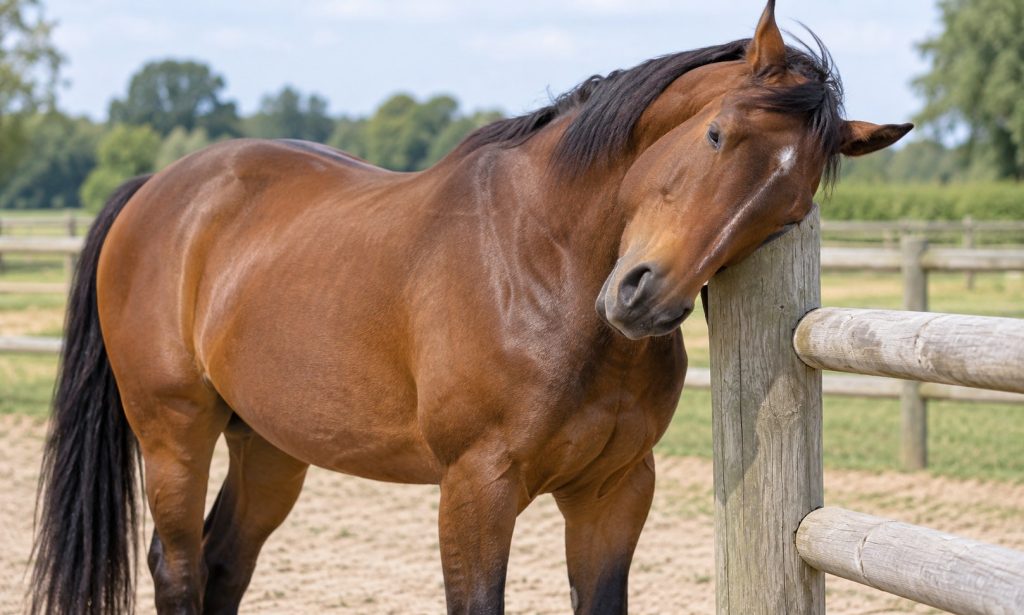
Veterinarians may call itching pruritus. Rubbing, tail swishing, biting at the coat, stamping, or rolling can all be ways a horse tries to relieve it. Repeated rubbing can break hair and create scabs, thickened skin, or open sores. Those secondary changes may hide the original problem, so the veterinarian considers where lesions began and how they changed over time.
The location and timing can suggest possibilities, but they do not prove a cause. Seasonal itching around the mane and tail may raise questions about biting insects. Itchy lower legs, crusts, circular hair loss, or raised welts point toward different possibilities. Similar patterns can arise from more than one disease, and a horse can have more than one issue at once.
The history your veterinarian will ask about
A detailed history helps shape the examination and prevents tests from becoming guesswork. Be ready to describe when the problem began, whether it is seasonal, which body areas were affected first, and whether the itch is improving or spreading. Photos taken before lesions change can be useful, especially when symptoms fluctuate or are worse at certain times of day.
The veterinarian may ask about new horses, shared grooming tools, turnout, bedding, pasture conditions, insects, recent travel, bathing, topical products, medications, and feed changes. Mention any home treatment and when it was applied. Recent bathing or ointments can alter the appearance of lesions or affect samples. Do not stop a prescribed medicine without asking the veterinarian.
Note whether other horses or people have developed skin changes. Some infectious skin conditions can spread between animals, and a few can affect people. Also report fever, dullness, reduced appetite, weight loss, or other signs of illness. A skin problem can sometimes be part of a broader health issue.
What happens during the physical examination
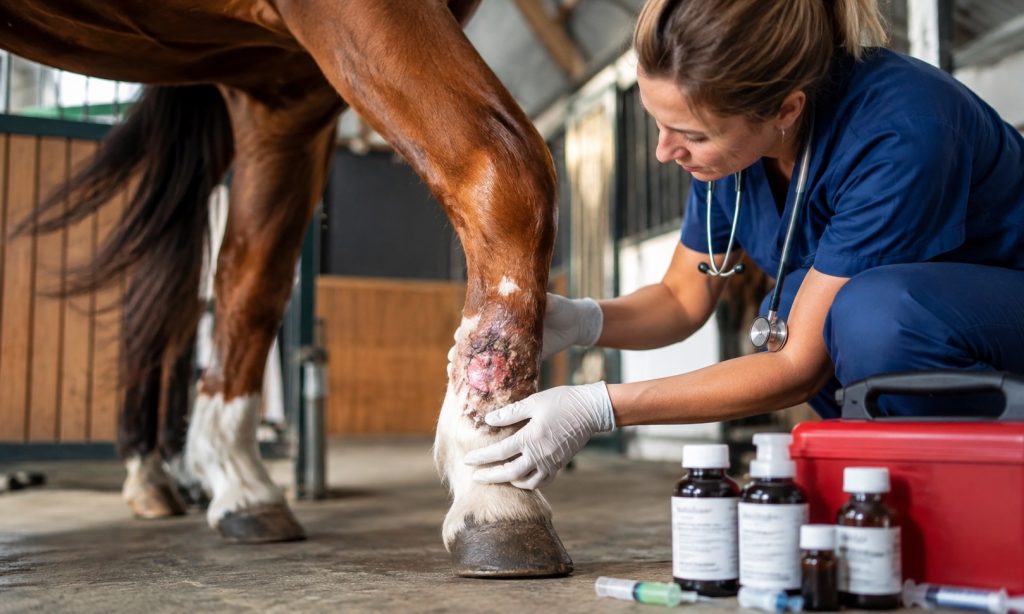
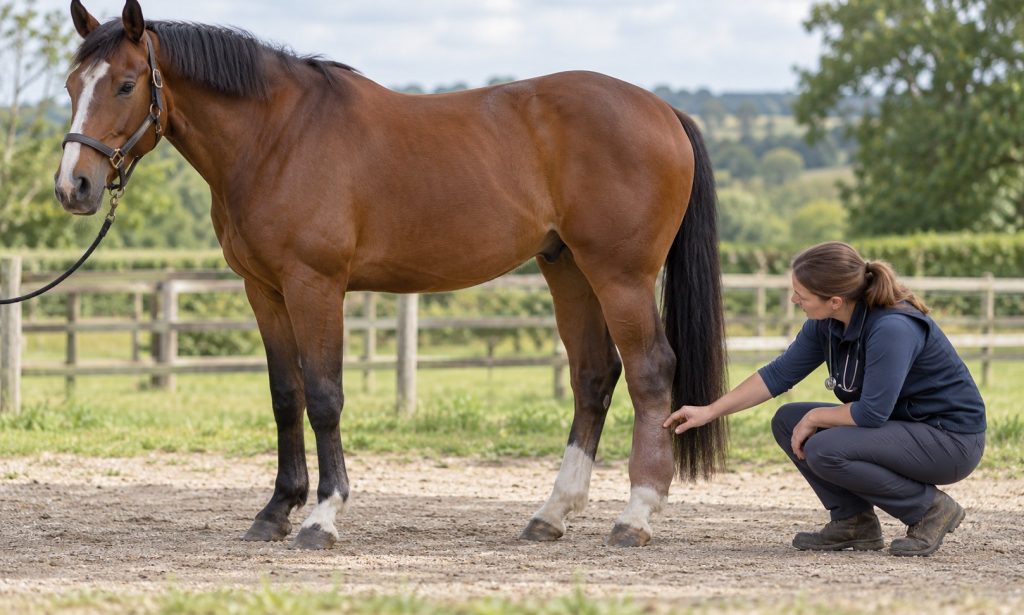
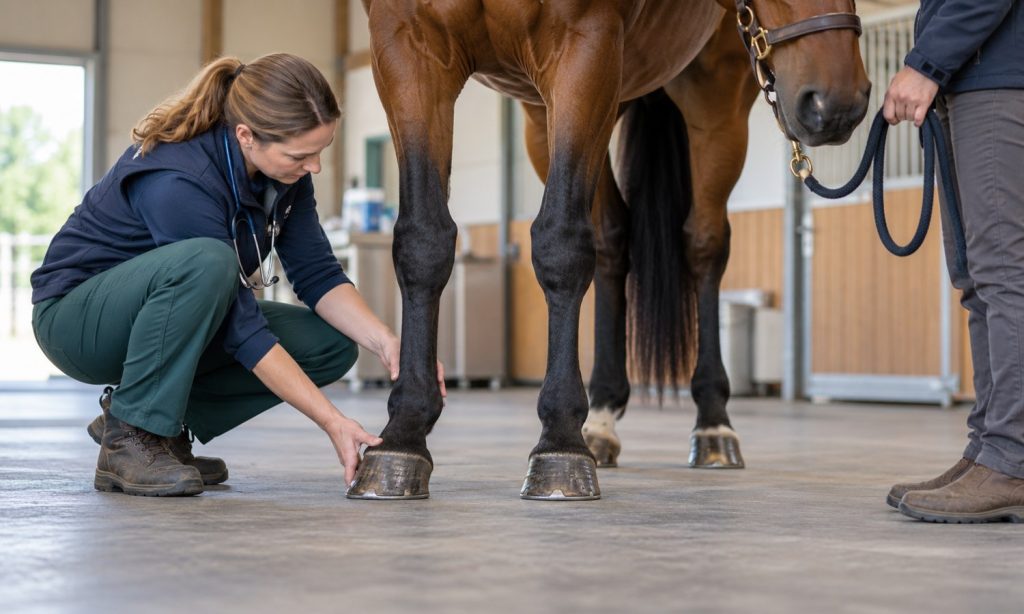
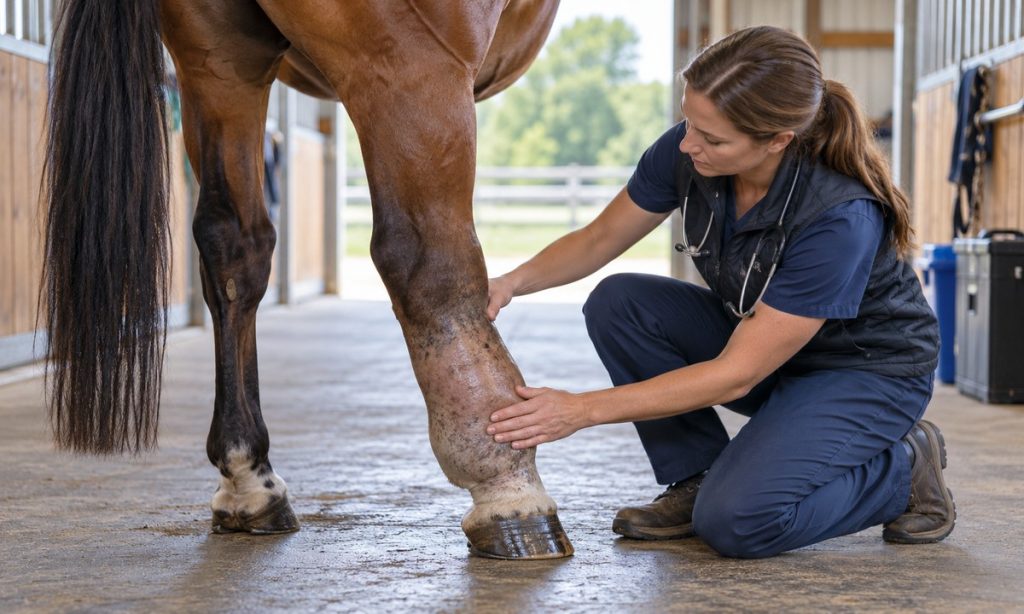
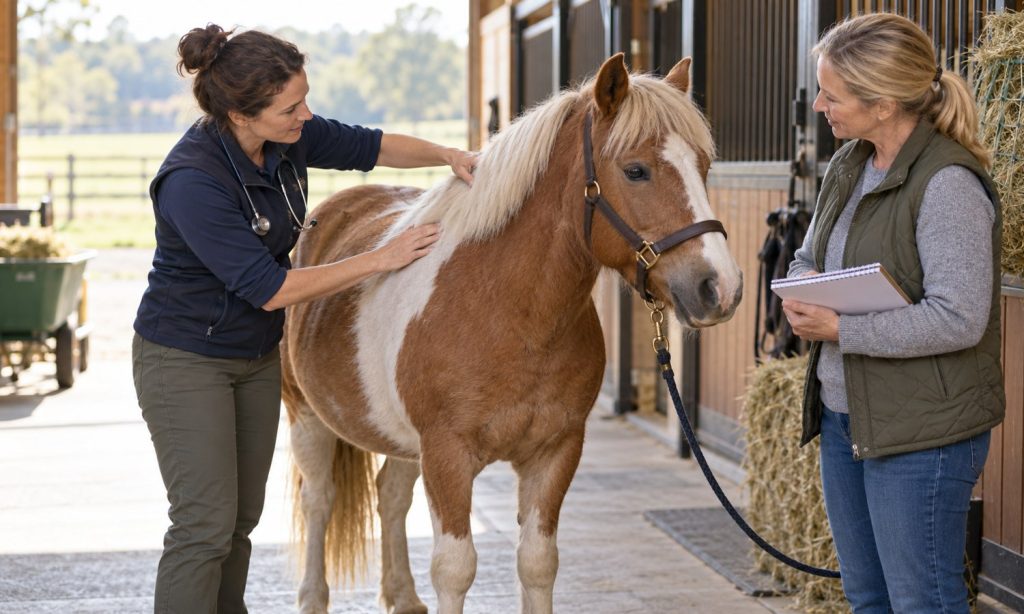
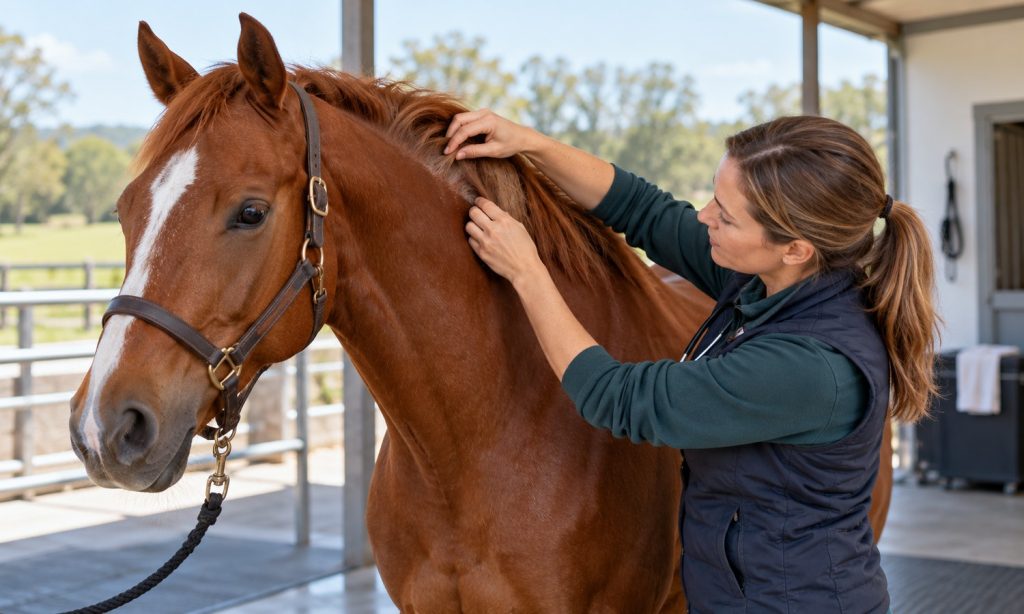
The veterinarian usually examines the whole horse, not just the patch that looks worst. They may assess temperature and general condition, feel for swelling or pain, and inspect the coat under good light. The skin is checked for parasites, flakes, crusts, scabs, redness, hair loss, ulcers, nodules, discharge, and thickening.
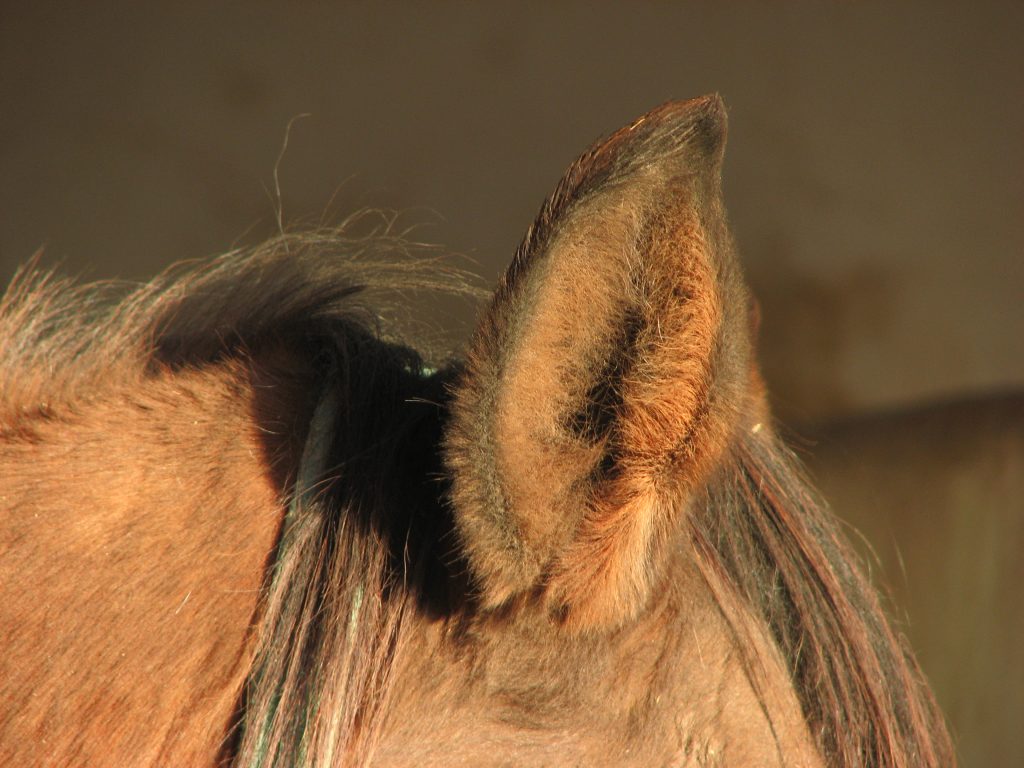
The distribution of lesions matters. The veterinarian may compare the mane, tailhead, belly, face, ears, back, and lower limbs. They may part the hair, inspect the skin surface, and look for patterns that could fit insects, mites, lice, fungi, bacteria, contact irritation, or allergic disease. They also consider tack, blankets, grooming products, and areas that stay damp or receive friction.
A physical examination can narrow the list, but not every case can be confirmed by appearance alone. The plan may involve one or more simple tests, a treatment trial with a defined follow-up, or referral to a veterinary dermatologist for persistent or unusual disease.
Tests veterinarians may use
Skin and hair samples
Depending on the lesions, a veterinarian may collect skin scrapings, hair, crusts, tape samples, or swabs. These can be examined under a microscope or sent to a laboratory. Scrapings or tape may help look for mites, while hair and crust samples can support testing for ringworm or other infections. A swab or culture may be considered when bacterial infection is suspected.
The best sample comes from an appropriate site and is collected before certain treatments interfere with results. Ask whether to avoid bathing or applying products before the appointment. Do not scrape or pick at lesions yourself; this may hurt the horse, spread material, or make diagnosis harder.
Blood work, biopsy, or other testing
Blood tests are not a universal itch test. They may be appropriate when the horse has signs of systemic illness, when a particular disease is suspected, or to check safety before a proposed treatment. A skin biopsy may be recommended for persistent, severe, unusual, or treatment-resistant lesions. A pathologist examines tissue to look for patterns that help distinguish inflammatory, immune-mediated, infectious, or other skin disease.
Allergy testing needs careful interpretation. A positive result may show exposure or sensitivity, but it does not automatically prove that an allergen caused the current skin signs. The veterinarian first considers the history, physical findings, and other causes. Testing may be most useful when the clinical picture supports allergy and the result would guide a management plan such as immunotherapy.
How veterinarians distinguish common causes
The veterinarian develops a list of possible causes, then weighs each against the horse’s pattern and test results. Insect-related allergy may be more likely when itching recurs in a predictable season and affects characteristic areas. Parasites may be considered when itching is intense, contacts are affected, or organisms or eggs are found. Fungal or bacterial disease may be investigated when lesions, exposure history, or sample results support infection.
Contact irritation may be suspected if changes match an area exposed to a new product, material, or surface. Hives can appear suddenly, but their triggers vary. Allergy is often considered only after other explanations have been assessed. A response to treatment can provide information, but improvement alone may not prove the diagnosis because several conditions can improve temporarily with the same intervention.
This is why the veterinarian may recommend a staged plan instead of several treatments at once. Changing one factor at a time makes it easier to see what helps and reduces the chance of complicating the picture.
How to prepare for the visit
Before the appointment, write down the timeline, affected areas, seasonal pattern, recent product or feed changes, travel, and treatments already tried. Take clear photos from a distance and close up, ideally with the date noted. If possible, keep a list of medicines and topical products with their labels available.
Ask whether the veterinarian wants you to avoid bathing or applying ointments beforehand. If bathing is appropriate, this guide to horse shampoo for sensitive skin may help you prepare questions about ingredients and rinsing. Keep suspected contagious cases from sharing brushes or tack until you receive advice. Avoid making several changes at once, including starting multiple supplements or skin products. A calm, detailed history is more useful than trying to guess the diagnosis yourself.
When to call promptly
Contact a veterinarian promptly if itching is severe, sores are spreading, the skin is hot or painful, there is pus or marked swelling, or the horse is unwell. Seek urgent advice for facial swelling, breathing difficulty, collapse, or rapidly worsening hives. These signs may need immediate assessment.
Even a mild recurring itch deserves attention when it causes hair loss, broken skin, or disrupted rest. Early evaluation may prevent self-trauma and help identify an infectious problem before it affects other animals. Ask the clinic how to manage contact with other horses while you wait.
Frequently Asked Questions
Can a veterinarian diagnose itchy skin by looking at it?
Sometimes the pattern is strongly suggestive, but many skin conditions look alike. History, examination, and targeted tests may be needed to confirm a cause.
Should I bathe my horse before the appointment?
Ask the clinic first. Bathing or applying products can change lesions or affect samples, so the veterinarian may prefer to see the skin untreated.
Does a positive allergy test prove the cause?
No. Results must be interpreted with the horse’s history, examination, and other findings. Exposure alone does not establish that an allergen caused the current itch.
Will the veterinarian need to take a biopsy?
Not in every case. A biopsy may be considered for unusual, persistent, severe, or unexplained lesions when tissue examination could clarify the diagnosis.
Can I apply anti itch cream while waiting?
Call the veterinarian before applying a new product, especially to open, infected, or widespread lesions. Some products may irritate skin or obscure examination findings.
Final Words
Veterinarians diagnose itchy skin in horses by combining a careful timeline, whole-body examination, and tests selected for the horse’s specific lesions. The pattern can point toward insects, parasites, infection, irritation, or allergy, but it rarely tells the whole story by itself. Photos, product history, and details about seasonality make the visit more productive. Get prompt veterinary advice for spreading sores, severe discomfort, systemic illness, facial swelling, or breathing problems. If you are considering anti itch cream for horses, discuss the product and timing with your veterinarian so it does not delay diagnosis or interfere with sampling.