
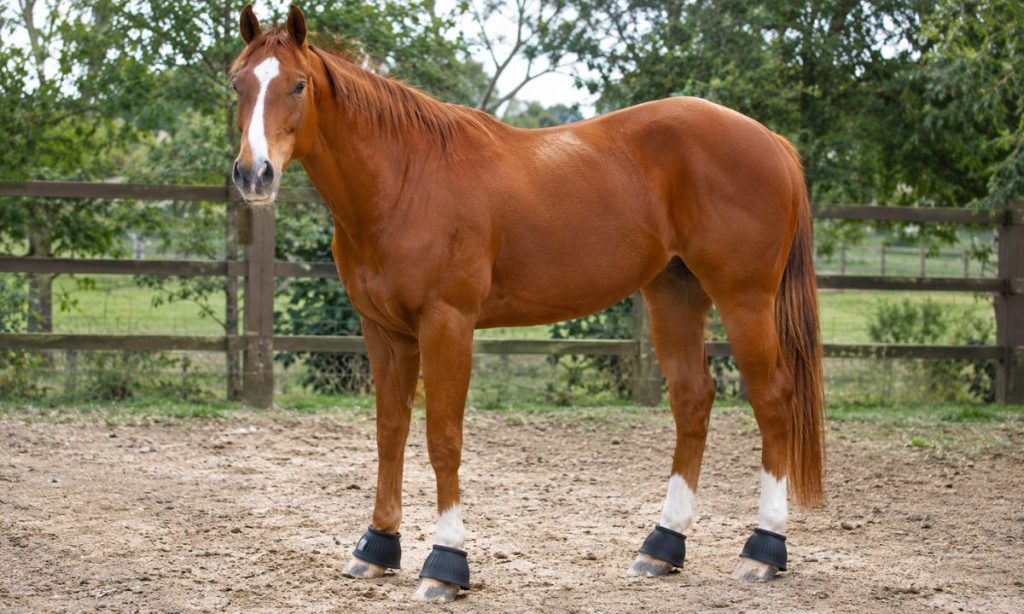
Bell boots can help protect a horse's heel bulbs and upper hoof when a hind foot catches a front foot. But choosing the wrong style or size can introduce rubbing, trapped debris, or slipping equipment. Common mistakes when choosing a bell boots for horses often begin with assuming that all hoof sizes fit the same boot or that extra thickness automatically means better protection. The horse's movement, hoof shape, turnout conditions, and history of overreaching should guide the assessment.
This guide explains the most frequent fit, material, closure, and maintenance errors, plus simple checks before each use. Our best bell boots for horses article provides a broader category overview. Here, the priority is comfort and function. A bell boot may reduce certain knocks, but it cannot diagnose lameness or replace farrier and veterinary attention when hoof or leg pain develops.
Mistake One: Choosing Size by Breed Alone
Labels such as pony, cob, full, or large may help narrow a range, but their dimensions vary among designs. Measure the hoof and consult the actual fit guide. The boot should cover the intended area without dragging excessively under the sole or riding high above the heel bulbs. Some horses have different front hoof shapes, so do not assume both sides will fit identically. A boot that rotates freely or hangs loose may catch on the ground, while one that compresses tissue can cause discomfort.
Check fit while the horse stands squarely on level ground, then reassess after walking. The lower edge must not fold awkwardly beneath the hoof or interfere with normal movement. Look at whether the heel bulbs remain appropriately covered when the foot lifts. Do not rely on a quick photo of a standing horse. Common mistakes when choosing a bell boots for horses are often revealed only when the horse moves, bends a fetlock, or steps through deeper footing.
Mistake Two: Confusing Bell Boots With Other Leg Protection
Bell boots are designed mainly for the heel and upper hoof area. They are not the same as brushing boots, tendon boots, or hoof boots. A horse that brushes a cannon bone may need a different protective discussion than a horse that overreaches into the front heel. Before selecting equipment, identify the likely contact area and whether the horse has a known problem. A farrier or veterinarian can help assess repeated striking, poor balance, or associated pain.
Do not add multiple layers of protection without checking how they interact. A hoof boot, bell boot, and leg wrap may interfere with each other if used together without appropriate fit. The extra material can trap heat, moisture, or debris. Our guide to checking horse boots for fit before a trail ride offers broader fitting steps. The correct choice is the smallest practical set of equipment addressing a demonstrated need, not an accessory collection assembled for appearance.
Mistake Three: Ignoring Material and Rubbing Risks
Bell boots may be made from rubber-like materials, molded synthetic shells, fleece-edged fabric, or other combinations. Each can behave differently in wet ground, sand, and daily turnout. A hard edge can abrade skin, while absorbent trim may hold mud and moisture. Thick materials can sometimes resist contact but may retain heat or become heavy when wet. Examine the inner surface and any seams, not only the outer color and shape.
Check the skin above the hoof for rubbed hair, redness, heat, or swelling after use. Clean grit away before refitting. If a boot causes repeated irritation, stop using it and reassess size, construction, and hoof shape. A soft-looking edge is not a guarantee against rubbing. Common mistakes when choosing a bell boots for horses include selecting comfort features by touch alone instead of checking the horse's actual response after movement. A short trial is more informative than packaging claims.
Mistake Four: Overlooking Closure and Rotation
Pull-on styles and adjustable closures require different handling. A closure should stay secure without excessive tightness or a long loose end that can catch. Check whether a fastening seam lands where the horse can rub it against the opposite leg. For pull-on designs, ensure the boot can be fitted without damaging the material or causing undue handling stress. Some horses are difficult to handle at the feet and may need a patient introduction before a complicated closure is practical.
Observe whether the boot stays oriented as the horse walks and turns. Some rotation can occur depending on design, but severe twisting, slipping, or repeated loss suggests mismatch. Never improvise a permanent attachment with tape, string, or wire. Check closures for worn hook-and-loop material, cracking, broken stitches, and trapped sand. If the boot only remains in place when excessively tightened, it likely does not fit correctly. Ease of secure fastening is a real functional feature, not merely a convenience.
Mistake Five: Skipping the Short Trial
Putting a new pair on immediately before a long ride or all-day turnout is risky. Introduce the boots in a safe, supervised setting. Start with a brief hand walk, watch the horse's gait, then inspect the boots and skin. Progress only if the equipment stays secure and the horse moves comfortably. A boot can shift after several minutes even when its initial fit seems fine. Check on uneven footing as appropriate, but do not use a dangerous surface as a test.
Pay attention to stumbling, shortened steps, repeated lifting of a foot, or attempts to remove the boot. Those may signal discomfort or unfamiliarity. Take the boots off and investigate instead of hoping the horse will forget about them. If lameness, pain, or swelling is present, contact the veterinarian. Bell boots protect a limited area; they cannot correct an underlying gait or hoof problem. A calm fitting session can prevent avoidable soreness later.
Mistake Six: Neglecting Cleaning and Replacement
Mud and grit collect around closures and inner edges. Remove and rinse dirt according to the manufacturer's care guidance, then dry thoroughly. Inspect for cracks, stretched fabric, stiff seams, worn fasteners, and exposed abrasive sections. Do not leave wet boots sitting in a sealed tack bag until the next ride. Our horse boot cleaning and maintenance guide explains a broader inspection routine.
Replace boots when they no longer fit, remain secure, or protect the intended area without rubbing. Repair only where the maker supports safe replacement parts. A split rubber edge or failing closure can be a greater risk than going without the boot during a controlled assessment. Keep spare equipment clean and measured for the individual horse, and avoid passing used boots between horses without checking fit and hygiene. IMO, a cheap boot that must be replaced promptly is better than an expensive damaged one kept in service.
Mistake Seven: Assuming Boots Solve Every Hoof Problem
Overreaching can occur because of conformation, gait, fatigue, training, hoof balance, or other factors. Bell boots may shield heel bulbs from some contact, but they do not eliminate the cause. Repeated heel injuries, stumbling, altered movement, or persistent shoe loss require a closer look. A farrier can assess hoof balance and shoeing, while a veterinarian evaluates pain and lameness. Do not increase exercise simply because the horse now wears protective equipment.
Consider the riding situation as well. A horse may need protection during specific activities rather than around the clock. Long turnout use should be assessed for cleanliness, secure fit, and individual behavior. Some horses are prone to pulling equipment off or tangling it with objects. Our trail riding leg safety checks reinforce that inspection and soundness come first. Common mistakes when choosing a bell boots for horses disappear more easily when the reason for using them is clearly defined.
Frequently Asked Questions
Bell boots are simple in appearance but depend on several details: the hoof shape, the intended coverage, how the boot moves, and how the horse responds. These answers address routine choices. Seek professional help for repeated injury, lameness, or swelling rather than experimenting with increasingly tight equipment.
Recheck fit whenever the hoof is trimmed, shod, or changes shape, and after the boot wears or stretches. A comfortable fit is a moving target, not a one-time purchase decision. Clean, intact boots are easier to evaluate and less likely to hide abrasive debris.
Should bell boots touch the ground?
The intended length varies by design. They should cover the relevant area without dragging excessively, folding beneath the hoof, or interfering with movement. Follow the fit directions and assess at a walk.
Can a bell boot prevent all overreach injuries?
No. It may reduce some contact injuries to the heel area, but it cannot correct the underlying cause of overreaching or guarantee protection.
Is fleece trim always better?
Not necessarily. Soft trim may feel comfortable but can hold moisture and grit. Check the horse's skin response and the material's cleaning needs.
Can my horse wear the same boots after hoof trimming?
Maybe, but recheck size and coverage. Hoof shape and shoeing changes can alter how the boot sits and moves.
When should I stop using a pair?
Retire boots that have sharp or torn edges, unreliable closures, severe distortion, or persistent rubbing. Investigate any associated pain or gait changes promptly.
Final Words
Common mistakes when choosing a bell boots for horses are preventable through careful measurement, a clear protection goal, and short supervised trials. Examine materials, edges, closures, and coverage after movement. Keep boots clean and replace damaged pairs rather than tightening them to compensate for wear. A sound horse's comfort remains the priority.
For category background, our best bell boots for horses guide can help explain different constructions. Use that information alongside the horse's hoof shape, terrain, and professional advice where needed. Protective equipment works best when it stays comfortably in the background of a well-managed riding routine.









