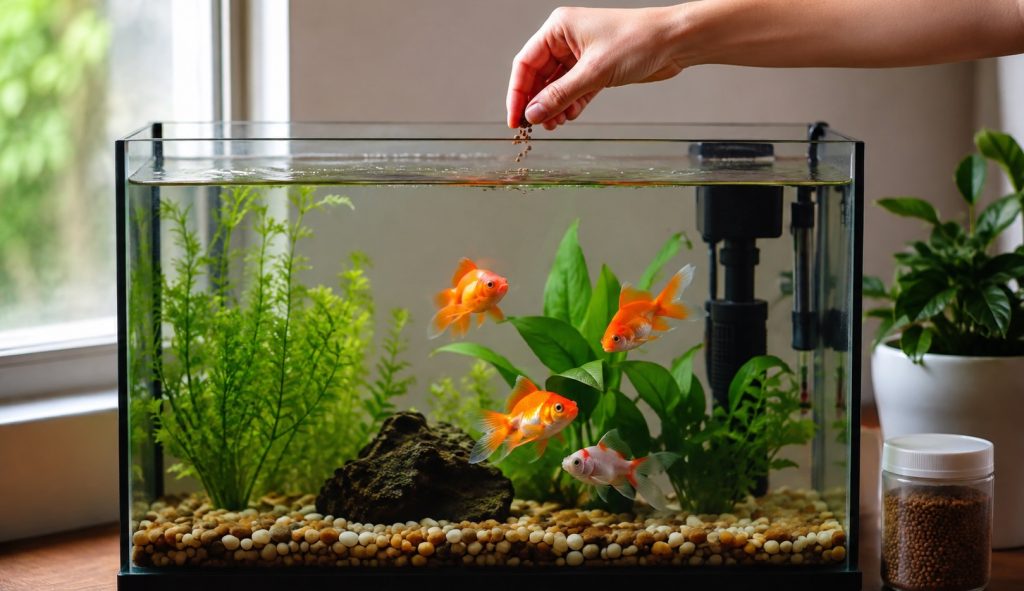
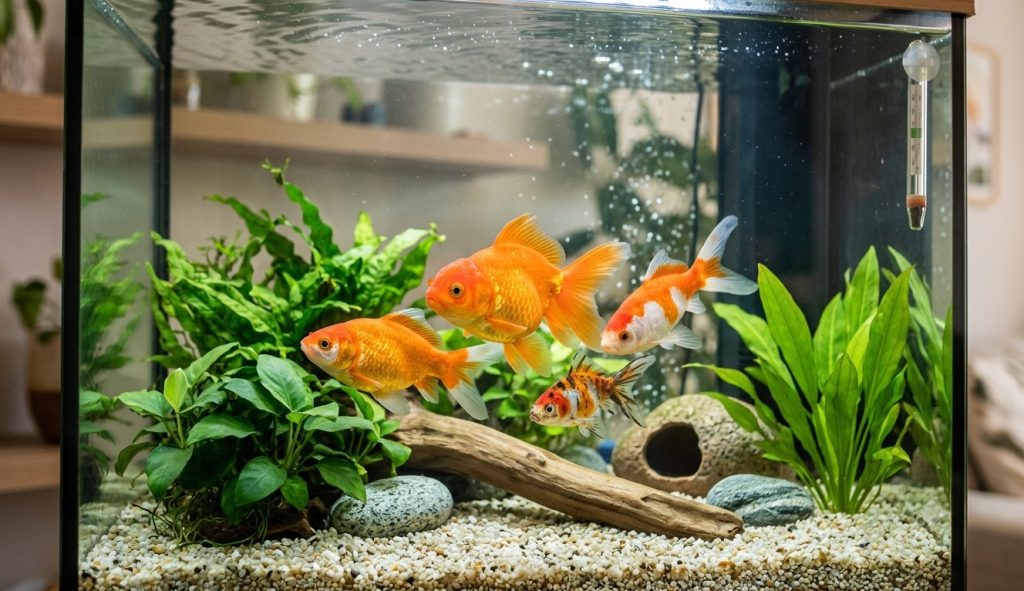
Ideal goldfish tank temperature is 65–72°F (18–22°C); stability matters more than exact degrees.
I have kept and studied goldfish for years, advised hobbyists, and worked with vets on temperature-related care. This guide answers What Temperature Is Best for Goldfish? in detail. You will learn the right range, why it matters, how to measure and control temperature, signs of temperature stress, and practical tips I use personally to keep goldfish healthy and thriving.
Why temperature matters for goldfish
Goldfish are coldwater fish by common classification, but they are hardy and tolerate a range of temperatures. What Temperature Is Best for Goldfish? affects metabolism, immune function, growth, appetite, and oxygen needs. Small swings can stress fish. Stable water temperature reduces disease risk and improves behavior.
- Goldfish metabolism speeds up as water warms.
- Cold water slows digestion and immune response.
- Rapid temperature changes cause shock and can be fatal.
I learned this the hard way when a sudden heater failure led to two sick fish. After stabilizing temperature slowly, they recovered. That experience taught me to prioritize steady temperature even over a slightly “perfect” number.
Recommended temperature range and why
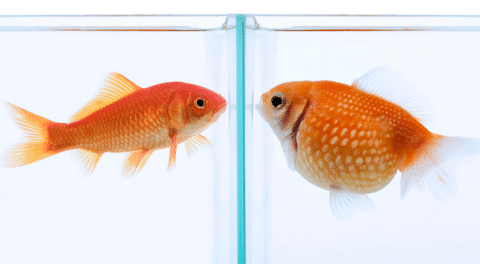
For most common goldfish varieties, the best tank temperature is 65–72°F (18–22°C). Fancy goldfish with rounder bodies and shorter fins can do well at the cooler end, while streamlined comet and shubunkin types tolerate slightly wider ranges.
- Safe range for most goldfish: 60–74°F (15–23°C).
- Optimal target for hobby tanks: 65–72°F (18–22°C).
- Avoid sustained temperatures above 78°F (26°C) and below 50°F (10°C).
Why this range works
- At 65–72°F, goldfish have balanced metabolism and strong immune function.
- Oxygen levels remain adequate in cooler water.
- Growth and activity are steady without excess stress.
When asking What Temperature Is Best for Goldfish?, remember the range is broad. The key is consistency and adjusting for your fish type and tank conditions.
How temperature affects goldfish health and behavior
Temperature impacts disease, appetite, and activity. Understanding these links helps you spot trouble early.
- Appetite and digestion: Warm water boosts appetite; cold water slows digestion and can cause constipation.
- Immune response: Cooler, steady temperatures support immunity. Sudden heat spikes can lower resistance to parasites and bacteria.
- Oxygen demand: Warmer water holds less oxygen, increasing stress at higher temps.
- Breeding and growth: Slightly warmer temps can trigger breeding behaviors and faster growth, but may shorten lifespan if sustained.
From my experience, a sudden summer heatwave in a basement room caused lethargy and fungal infections in one tank. A chiller and improved aeration fixed the problem. This reinforced that temperature control is part of routine husbandry.
Measuring and controlling tank temperature
Accurate measurement and gradual adjustments are essential when considering What Temperature Is Best for Goldfish?.
- Use a reliable thermometer: Digital or stick-on thermometers for accuracy. Check at different depths.
- Maintain a heater for stability: Choose a heater sized for your tank and set it to desired temperature.
- Use a chiller or fans in hot climates: If room temps exceed 75°F, consider active cooling and increased aeration.
- Avoid sudden changes: Change temperature by no more than 1–2°F per hour when adjusting.
Practical steps I use
- Place one thermometer at the intake flow and one mid-tank.
- Set the heater slightly below your target to avoid overshoot.
- Monitor daily for a week after any adjustment.
These habits answer What Temperature Is Best for Goldfish? by ensuring the water stays within the right band and is stable.

Seasonal care and long-term planning
Seasons change room temperature. Plan so fish don’t experience swings.
- Winter: Room heating can drop at night. Keep heaters on a stable outlet and monitor.
- Summer: Use fans across the water surface, open top ventilation, or a chiller if necessary.
- Power outages: Have a backup plan. Insulated coolers, battery-powered aerators, or a generator help maintain safe temps.
I once lost a heater during a cold snap. Moving the tank to a warmer room and using warm bottles in insulated containers kept fish safe until a replacement arrived. Planning ahead is key when answering What Temperature Is Best for Goldfish? over the year.
Temperature-related problems and troubleshooting
Common signs of temperature stress and how to respond.
- Rapid gasping at surface: Likely low oxygen from high temperature or poor aeration. Increase aeration and lower temperature gradually.
- Loss of appetite and bloating: May be from cold water slowing digestion. Raise temp slowly and consider fasting a day.
- Lethargy or excess hiding: Could be temps that are too low or too high. Check thermometer and stabilize.
- Increased disease outbreaks: Warm spikes can trigger flares. Lower temperature slightly and improve water quality.
Step-by-step troubleshooting
- Confirm temperature with two thermometers.
- Check filtration and aeration.
- Adjust heater or cooling gradually.
- Monitor behavior and water parameters for 48–72 hours.
This approach aligns with the question What Temperature Is Best for Goldfish? by focusing on practical recovery rather than a single number.
Special cases: Fancy goldfish, breeding, and young fish
Different goldfish types and life stages need tweaks to the general rule.
- Fancy goldfish: Prefer the lower end of the range (65–70°F / 18–21°C) due to slower swim bladders and digestive sensitivity.
- Comets and commons: More tolerant and active at slightly higher temperatures (68–74°F / 20–23°C).
- Fry and juvenile fish: Slightly warmer temps can speed growth but increase risk of disease; monitor closely.
- Breeding: Temperatures near 68–72°F (20–22°C) can stimulate spawning when combined with other cues.
When considering What Temperature Is Best for Goldfish? include the type and age of your fish for best results.
Practical tips and common mistakes to avoid
Simple, actionable advice that I use and recommend.
- Don’t chase a “perfect” temp number; aim for stability within the healthy range.
- Avoid sudden heater changes. Replace a faulty heater gradually.
- Don’t rely on room temperature alone; aquarium water can differ by several degrees.
- Use multiple thermometers for cross-checks.
- Improve aeration before cooling for warmer tanks to raise oxygen levels.
A mistake I made: relying on a single stick-on thermometer. It read high near the surface. Adding a digital probe in the main water column gave a truer reading. That small fix prevented overcooling later.
Common temperature questions (PAA-style)
How slowly should I change my aquarium temperature?
Change temperature by no more than 1–2°F (0.5–1°C) per hour to avoid shock. For larger shifts, do it over several hours or days.
Can goldfish live in room temperature without a heater?
Yes, if the room stays consistently in the goldfish range (60–74°F). Monitor for nighttime drops and seasonal swings.
Is warmer water better for faster growth?
Warmer water can speed growth but raises disease risk and lowers oxygen. Moderation and good water quality are essential.
Source: aquariumstoredepot.com
Frequently Asked Questions of What Temperature Is Best for Goldfish?
What temperature is too hot for goldfish?
Sustained temperatures above 78°F (26°C) are risky for goldfish. Higher temps reduce oxygen and increase infection risk.
Can goldfish survive in very cold water?
Goldfish can tolerate cool water down to about 50°F (10°C) for short periods, but prolonged cold slows metabolism and harms immunity.
Should I use a heater for goldfish?
Use a heater if room temperatures fall outside the safe range or fluctuate. Heaters offer stability and reduce stress.
How often should I check tank temperature?
Check daily, and more often during seasonal shifts or equipment changes. Multiple thermometers give reliable readings.
Will temperature affect goldfish lifespan?
Yes. Long-term exposure to suboptimal temperatures or wide swings can reduce lifespan by increasing disease and stress.
Conclusion
Keeping goldfish healthy starts with stable, appropriate water temperature. Aim for 65–72°F (18–22°C), adjust for variety and life stage, and avoid sudden shifts. Use reliable thermometers, proper heating or cooling, and prioritize aeration to reduce stress.
Take action today: check your thermometers, note your tank’s current temperature, and set a simple plan to stabilize it. If you found this helpful, subscribe for more care guides or leave a comment with your goldfish temperature questions.