
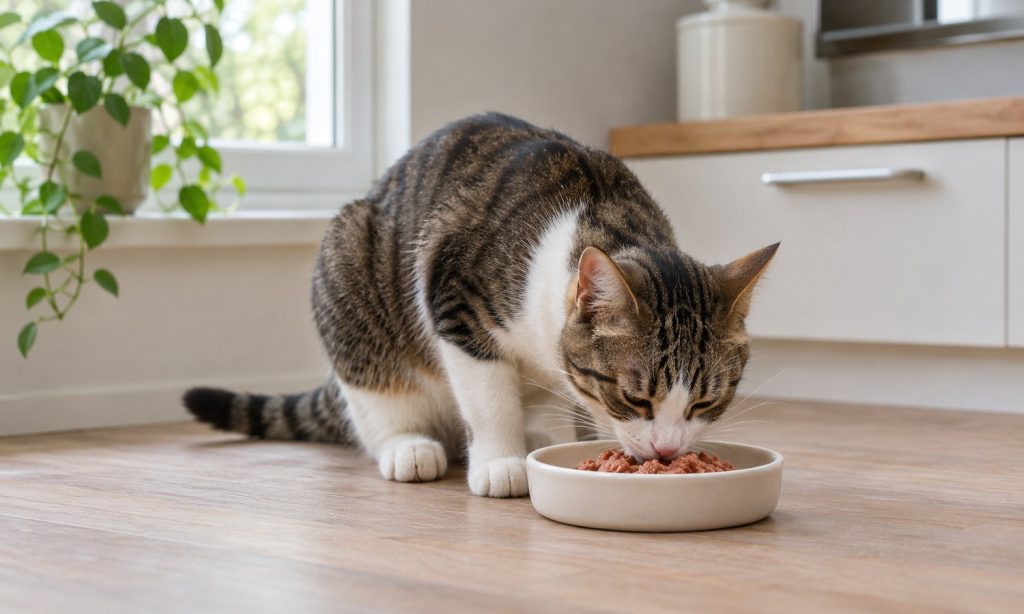
A cat that is unintentionally losing weight needs veterinary assessment before anyone simply adds more calories. Dental pain, thyroid disease, kidney problems, digestive illness, and other conditions can all influence appetite and body condition. Once the cause is investigated, comparing the best canned cat food for weight gain can help you plan appropriate portions and food textures. Our seven Amazon-verified choices include specialized veterinary recovery diets, digestive-care formulas, and ordinary wet meals. These foods are not interchangeable. A prescription recovery formula may be intended for a particular medical period, while a daily pâté can be complete and balanced without being exceptionally high in energy. Compare actual kilocalories per can, nutritional adequacy, ingredients, and the amount the cat will eat. Work with a veterinarian on a realistic gain target and feeding schedule. The best choice supports the diagnosed need rather than promising a quick fix.
Quick Picks
| Product | Best For | Key Advantage | Buy | |
|---|---|---|---|---|
| Hill’s Prescription Diet a/d Urgent Care | Veterinary recovery feeding | a clinical canned diet for dogs and cats requiring urgent nutritional care | View on Amazon | Jump to Review |
| Purina Pro Plan CN Critical Nutrition | Energy-dense clinical nutrition | a digestible energy-dense veterinary critical-nutrition formula | View on Amazon | Jump to Review |
| Nulo Wet Cat Food Pâté Variety | Everyday pâté with larger cans | a variety pack of smooth high-protein wet food in 5.5-ounce cans | View on Amazon | Jump to Review |
| Blue Buffalo Wilderness Adult Pâté | Adult cats preferring meat pâté | chicken, salmon, and duck pâté recipes in small cans | View on Amazon | Jump to Review |
| Purina ONE Wet Pâté Variety | Daily wet-food variety | chicken, turkey, fish, and beef wet recipes with added vitamins | View on Amazon | Jump to Review |
| Fancy Feast Senior 7+ Variety | Older cats preferring smaller wet meals | wet chicken, beef, and tuna recipes for senior cats | View on Amazon | Jump to Review |
| Purina Pro Plan EN Gastroenteric Wet | Veterinary gastrointestinal support | an energy-dense digestible veterinary gastroenteric wet food | View on Amazon | Jump to Review |
1. Hill’s Prescription Diet a/d Urgent Care

- Veterinary recovery intent
- Wet canned consistency
- Chicken-flavor recipe
- Cat and dog diet
- Its specialist use is not the same as indefinite everyday maintenance
Hill’s Prescription Diet a/d Urgent Care is a veterinary recovery formula rather than an everyday weight-gain shortcut for a healthy cat. Its verified listing describes a canned clinical diet for dogs and cats needing urgent nutritional support. That is a very different use case from an adult cat that simply needs a modest increase in routine calories. A cat losing weight unexpectedly may have dental pain, thyroid disease, gastrointestinal disease, or another problem. The diagnosis should determine whether a recovery formula belongs in the feeding plan.
The food’s soft wet consistency may matter when a veterinarian is planning assisted or closely monitored feeding, but owners should not infer that every thin cat will benefit from it. Ask the clinic whether the diet is complete for the intended duration, how much to offer, and whether a particular feeding technique is safe. Appetite loss and weight loss are not interchangeable. A cat that stops eating may need urgent assessment before a new product arrives. Compare this specialist formula with normal maintenance pâtés only after the medical purpose is clear.
I would reserve Hill’s a/d for situations where the veterinary team specifically wants a concentrated recovery diet. The main advantage is its identified clinical role, not a proven advantage over every canned food for putting weight on a cat. Follow the prescribed daily amount and any handling guidance closely, especially for a cat with vomiting or swallowing problems. Track actual intake instead of guessing from the amount left on a plate. Repeated refusal, weakness, or continued weight loss warrants a prompt recheck.
My Recommendation
Hill’s Prescription Diet a/d Urgent Care is the option I would discuss first when a veterinarian has identified a short-term recovery or serious nutritional-support need. Its clinical purpose distinguishes it from ordinary pâté marketed for everyday adult feeding. I would not buy it simply to make a healthy cat heavier, because unexplained weight loss needs diagnosis and a planned feeding target. Ask the veterinary team about portions, feeding duration, and how to transition once the cat improves. For a medically stable cat with mild calorie needs, compare complete everyday wet foods instead.
2. Purina Pro Plan CN Critical Nutrition
- Critical nutrition purpose
- Energy-dense formulation
- Wet food format
- Digestibility focus
- Clinical feeding requires professional guidance
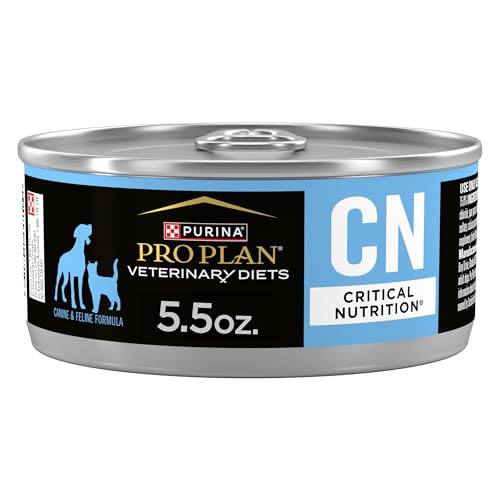
Purina Pro Plan CN Critical Nutrition is another veterinary-oriented canned formula, but its purpose should not be blurred with normal senior or adult feeding. The verified listing identifies a digestible, energy-dense critical-nutrition diet. This makes it relevant when a clinician is supporting a cat recovering from illness or unable to consume enough food voluntarily. The phrase energy dense is meaningful only alongside the product’s current calories per can or ounce. It does not make the food appropriate for every cat that seems too lean.
Discuss the animal’s diagnosis, hydration, nausea, and ability to eat with the veterinarian before selecting Purina CN. A highly concentrated formula may be helpful under supervision but can be inappropriate if the cat has a condition requiring a different nutrient profile. Compare its serving requirements and clinical purpose with Hill’s a/d rather than treating these as interchangeable recovery products. The packaging may look like normal wet food, yet a therapeutic plan can include exact amounts, monitoring, and follow-up that ordinary household feeding does not require.
If your veterinarian recommends this formula, use measured feedings and keep a daily log of consumption, body weight, and appetite. A sick cat may eat a few bites and still fall far short of needed energy. Check the current package for storage instructions after opening and avoid leaving wet food out for extended periods. Do not add oils, treats, or extra supplements to boost calories without guidance. If weight falls despite the prescribed diet, the underlying illness needs reassessment rather than an unplanned change of brand.
My Recommendation
Purina Pro Plan CN Critical Nutrition is another veterinary recovery formula to ask about when a cat is struggling to eat enough during an illness or recuperation. The principal advantage is its intended use in supervised nutritional support, not a promise of weight gain for every cat. Discuss whether its consistency, feeding frequency, and calorie plan fit your cat’s condition, especially if nausea or poor appetite is present. It should not replace investigation of the underlying cause of weight loss. Nulo or another everyday complete pâté is a more relevant comparison after the veterinarian approves routine feeding.
3. Nulo Wet Cat Food Pâté Variety

- Large can format
- Pâté recipes
- Variety pack choices
- High-moisture formulation
- High protein does not automatically mean high energy content
Nulo Wet Cat Food Pâté Variety offers a more conventional wet-food route for an adult cat whose veterinarian has confirmed that normal maintenance food is appropriate. The verified listing describes smooth, high-protein pâté recipes in larger 5.5-ounce cans. That format may suit cats that prefer a uniform texture and households that feed larger wet portions. The important distinction is that a high-protein claim does not tell you the calories delivered by an ounce of food. Moisture can make a substantial can look more energy rich than it really is.
A variety pack can help identify a preferred recipe, but flavor rotation may complicate observations in a cat with a suspected food reaction or digestive problem. Compare each flavor’s calorie statement and complete-and-balanced designation. A cat that needs more energy may require a larger amount of a familiar food rather than another protein claim. If the cat has kidney disease, pancreatitis, or another diagnosed condition, the veterinarian may prefer a particular nutrient profile that a general pâté does not provide. Texture alone cannot resolve persistent weight loss.
I would consider the Nulo variety for a cat that eats pâté enthusiastically and can safely use ordinary adult wet food. Divide the total daily energy target into manageable meals, then check weight trends at intervals advised by the clinic. Refrigerate remaining food promptly and follow label handling instructions. If one flavor is refused, document that instead of adding endless toppers, which can change the calorie calculation. This product’s practical attraction is wet texture and can size; it is not a substitute for diagnosing why weight was lost.
My Recommendation
Nulo Wet Cat Food Pâté Variety is the everyday option I would compare for an otherwise stable adult cat that enjoys smooth pâté and needs a measured increase in food intake. Larger cans can make repeated small meals convenient in some households, though the calories per can must be checked flavor by flavor. The variety format is less helpful when a cat has a diagnosed dietary sensitivity and needs a consistent protein. I would introduce one recipe at a time and track body weight over several weeks. If the cat is medically fragile, choose a veterinary feeding plan instead.
4. Blue Buffalo Wilderness Adult Pâté

- Three meat recipes
- Three-ounce cans
- Adult cat food positioning
- Smooth pâté format
- The recipes may provide different calories per serving
Blue Buffalo Wilderness Adult Pâté is described in its verified listing as a set of chicken, salmon, and duck wet recipes packaged in smaller three-ounce cans. This gives owners a different serving format from larger Nulo cans and a choice of recognizable protein flavors. It may be convenient for a cat that finishes a small portion more reliably than a large dish. However, each recipe can have a different calorie density. A flavor assortment cannot be treated as one fixed energy value when planning gradual weight recovery.
The three-ounce packaging helps with portion consistency, but the right total daily amount still depends on the individual cat’s target weight and actual intake. Read the calorie content for the exact flavor being served instead of applying the chicken number to duck or salmon. If a veterinarian is investigating a food sensitivity, switching among three animal proteins can work against an orderly diet history. Likewise, a cat with an ongoing medical issue may need a prescribed therapeutic diet rather than a regular adult pâté, regardless of texture.
I would compare Blue Buffalo Wilderness with Purina ONE wet variety when the cat’s main barrier is flavor preference, not a need for intensive recovery nutrition. Offer complete and balanced meals according to an energy plan, and gradually adjust serving sizes where the veterinarian advises it. Monitor vomiting, stool consistency, and interest in food alongside changes in body weight. A small can is practical, but the number of cans per day should be calculated rather than guessed. Continued weight decline needs medical follow-up.
My Recommendation
Blue Buffalo Wilderness Adult Pâté appeals to owners who want several adult wet-food flavors in familiar smaller portions. That can be useful when palatability is the obstacle, but a cat’s daily calorie total matters more than a meat-focused label. Compare the declared calories for chicken, salmon, and duck rather than assuming the flavors are equally energy dense. I would favor this option when the cat tolerates the recipes and willingly finishes meals. For cats with vomiting, diarrhea, or unexplained wasting, seek veterinary advice before experimenting with a high-volume feeding schedule.
5. Purina ONE Wet Pâté Variety

- Multiple protein options
- Vitamins in formula
- Three-ounce wet portions
- Pâté consistency
- A variety pack is not proof of suitability for a sick cat
Purina ONE Wet Pâté Variety provides several mainstream wet-food recipes with chicken, turkey, fish, or beef positioning and added vitamins described in the verified listing. It is an everyday-food comparison rather than a specialist product for underweight or sick cats. That difference can be helpful: some cats need a clear feeding routine and sufficient energy from ordinary complete meals once a veterinarian has ruled out disease. A varied assortment may improve acceptance, but it also makes careful calorie tracking more important if the flavors do not match nutritionally.
Check whether the exact recipes share the same calorie density, serving amount, and nutritional adequacy statement. If your cat eats one flavor readily but leaves another untouched, the theoretical daily ration may greatly exceed the calories actually consumed. Compare this variety set with the smaller Blue Buffalo Wilderness cans, using food intake rather than label enthusiasm to guide the decision. A mixed-protein package is a poor choice for a controlled elimination trial, and cats with certain diagnosed diseases may need a more restricted nutrient profile.
Purina ONE is worth considering when the owner wants ordinary wet-food options and the cat has no medical reason to use a therapeutic formulation. I would measure how much of each meal the cat finishes and weigh the cat consistently using the veterinary team’s recommended schedule. Do not let treats replace a complete diet just because the cat wants them. Refrigerate opened cans and discard spoiled leftovers. If appetite remains low or swallowing seems painful, address those symptoms clinically before treating the problem as simple pickiness.
My Recommendation
Purina ONE Wet Pâté Variety is a practical comparison for a household that wants an everyday complete wet food rather than a specialized recovery prescription. Three-ounce servings may help an owner offer smaller meals while measuring exactly how much the cat eats. The main limitation is that a mixed-flavor pack makes calories and protein ingredients less uniform from meal to meal. Choose a tolerated variety, keep a written intake record, and reassess weight trends with your veterinarian. If the cat has a defined gastrointestinal disorder, a veterinary GI formula may be more appropriate.
6. Fancy Feast Senior 7+ Variety

- Senior age targeting
- Three protein flavors
- Small can format
- High-protein positioning
- A senior label cannot explain or correct weight loss
Fancy Feast Senior 7+ Variety is aimed at older cats and includes wet chicken, beef, and tuna recipes according to the verified listing. The smaller-can format may be easier for an elderly cat with a modest appetite, while multiple flavors offer opportunities to learn which texture and taste are accepted. Age-targeted marketing is not the same thing as medically indicated weight gain. An older cat can lose body mass because of dental disease, hyperthyroidism, kidney problems, or other conditions that require diagnosis before a new feeding plan.
Compare the calorie content and nutrient adequacy of each senior formula against the veterinarian’s goal, especially when the cat is already eating only small portions. A food formulated for senior age does not necessarily contain more calories per ounce than a conventional adult pâté. For a cat with fragile appetite, frequent small complete meals may be more successful than one large serving, but the timing and amount should suit the medical situation. If a diagnosed renal or gastrointestinal disorder changes nutrient requirements, the label senior cannot substitute for that advice.
I would shortlist Fancy Feast Senior 7+ for an older cat that reliably accepts these flavors and is medically cleared for ordinary senior wet food. Track whether the cat finishes the intended number of cans rather than assuming the food is eaten because the dish was offered. Do not make rapid feeding increases without checking the vet’s plan, particularly after a prolonged period of poor intake. Stable weight gain should be gradual and monitored. Increased thirst, vomiting, weakness, or continued loss deserves a recheck.
My Recommendation
Fancy Feast Senior 7+ Variety is the wet-food option I would consider for an older cat that prefers modest, soft meals and resists larger portions. Its senior positioning may suit some older cats, but age alone does not explain losing weight or justify increasing calories indefinitely. Check the calorie statement for each recipe and offer a consistent amount that can be tracked. I would choose it only after ruling out common senior-cat medical causes of weight loss with a veterinarian. For critical nutritional recovery, compare a veterinary support food instead of relying on age-targeted packaging.
7. Purina Pro Plan EN Gastroenteric Wet
- Gastroenteric formula
- Veterinary nutrition focus
- Energy-dense listing
- Portion-controlled veterinary wet format
- The GI indication must match the cat’s diagnosis
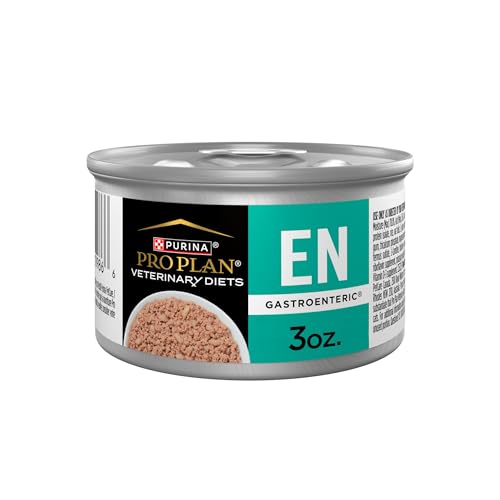
Purina Pro Plan EN Gastroenteric Wet is a veterinary gastrointestinal diet, not merely another rich canned food. The verified product listing describes a highly digestible, energy-dense wet formula aimed at certain gastrointestinal feeding needs. It may come up during a discussion about an underweight cat whose digestive disease is part of the diagnosis. That context matters: a food that suits one cat with digestive malabsorption may be inappropriate for another with a different illness. The product should be chosen for its therapeutic purpose, not simply because it advertises calories.
The small canned portions can make measured feeding manageable, but a veterinarian should define how much to offer and what response to monitor. For a cat with diarrhea or vomiting, switching repeatedly among several rich wet foods may further complicate the situation. Compare EN Gastroenteric with critical-care formulas like CN by asking whether the issue is digestive tolerance, recovery feeding, or ordinary maintenance. Even when both products are calorie dense, their clinical aims are not identical. Verify the current can label before calculating a precise ration.
If a clinician recommends EN, note the cat’s food intake, stool character, vomiting, and body weight across the prescribed period. The goal is to provide appropriate nutrition while the underlying digestive problem receives care. Avoid mixing it casually with unrelated diets or high-fat treats, which could change the intended nutrient balance. Keep opened food refrigerated according to the package directions. If the cat becomes lethargic, eats almost nothing, or continues to lose weight, contact the veterinary team rather than adding more food without guidance.
My Recommendation
Purina Pro Plan EN Gastroenteric Wet belongs on this list for a narrower situation: a veterinarian suspects gastrointestinal problems are interfering with appetite, absorption, or maintaining body condition. Its clinical GI purpose is not the same as being the highest-calorie general weight-gain food. I would ask whether the diet matches the diagnosis, how much should be offered, and what response to monitor. It is not my default choice for a healthy but naturally slim cat. If digestion is normal and the vet approves, an ordinary complete pâté may offer more flexible feeding.
How to choose best canned cat food for weight gain
Weight gain should follow a diagnosis and a realistic calorie target, not an assumption that every wet food is energy dense. Compare the cat’s health needs, each recipe’s feeding adequacy, and practical meal tracking before selecting between veterinary recovery diets and everyday canned meals.
Find the cause before changing the diet
Unintentional weight loss can have several medical causes. A vet should examine body condition, muscle loss, teeth, digestion, appetite, and other symptoms. Higher-calorie food may be useful after the underlying problem is identified, but it cannot treat everything that causes weight loss. Recovery diets are often designed for a specific clinical period, not as a casual upgrade to daily nutrition. Ask how much energy your cat needs and how often progress should be checked. If the cat is refusing meals or becoming weak, do not rely on trial-and-error shopping.
Compare calories, adequacy, and texture
Canned products differ in serving size, protein, fat, moisture, texture, and total energy. Look for kilocalories per can or per ounce on the manufacturer information. Check the nutritional adequacy statement to establish whether the recipe is suitable as a sole daily ration. A high-protein label is not the same as a high-calorie guarantee. Variety packs can help with flavor preferences but may make consistent calorie tracking harder. Prescription products should be given only as part of the vet’s intended plan. Consider the cat’s life stage and any medical dietary restrictions.
Track portions and healthy progress
Some cats accept smaller meals more reliably than one large serving. A quiet location, familiar routine, and appropriate food texture can help. Record how much was served and eaten, not merely the number of cans opened. Weigh the cat consistently and report changes to the veterinarian. Monitor stool, vomiting, energy, and willingness to eat. Warming food slightly may increase aroma, but never force-feed without veterinary advice. Adjust calories to the cat’s response and diagnosis. Continued weight loss despite more food requires another clinical review.
Include treats and toppers when counting calories, and avoid displacing complete meals with extras. If changing foods, follow your veterinarian’s advice on gradual transitions and any special clinical restrictions. For prescription diets, confirm availability before a planned switch. Keep a clear feeding diary so you can compare options without confusing flavor preference with medical improvement. A written plan is more useful than selecting the most energy-dense can without context. Track each food change with a written diary and avoid adding multiple new toppers at once. Doing so makes differences harder to interpret. Review any continued weight changes with the veterinarian.
Related PetAdvisorPro Guides
For further practical guidance, read senior cat weight-gain nutrition; and interpreting cat food labels; and estimating portions; and complete wet cat meals.
Frequently Asked Questions
Is every canned cat food high in calories?
No. Compare energy per can or ounce and check its intended use and adequacy statement.
Can I feed a veterinary recovery formula every day?
Only if the veterinarian says it is appropriate. These formulas have specific clinical uses.
Will high-protein pâté automatically cause weight gain?
No. Weight gain depends on actual calorie intake, medical condition, and how much food is absorbed.
How fast should an underweight cat gain weight?
The target should be individualized by the veterinarian and monitored using body condition and weight.
What if a cat refuses food?
Contact a veterinarian promptly, especially when appetite loss accompanies lethargy, vomiting, or weight decline.
Final Verdict
Hill’s a/d and Purina CN are veterinary recovery diets to discuss with the treating veterinarian. For everyday wet food, Nulo, Blue Buffalo, and Purina ONE offer different recipes and textures, but you still need to compare actual calories and feeding adequacy. Choose a product your cat tolerates within a medically appropriate plan, then monitor progress rather than assuming any pâté guarantees weight gain.
Affiliate disclosure: This article contains Amazon affiliate links. If you purchase through them, PetAdvisorPro may earn a commission. As an Amazon Associate I earn from qualifying purchases.









