
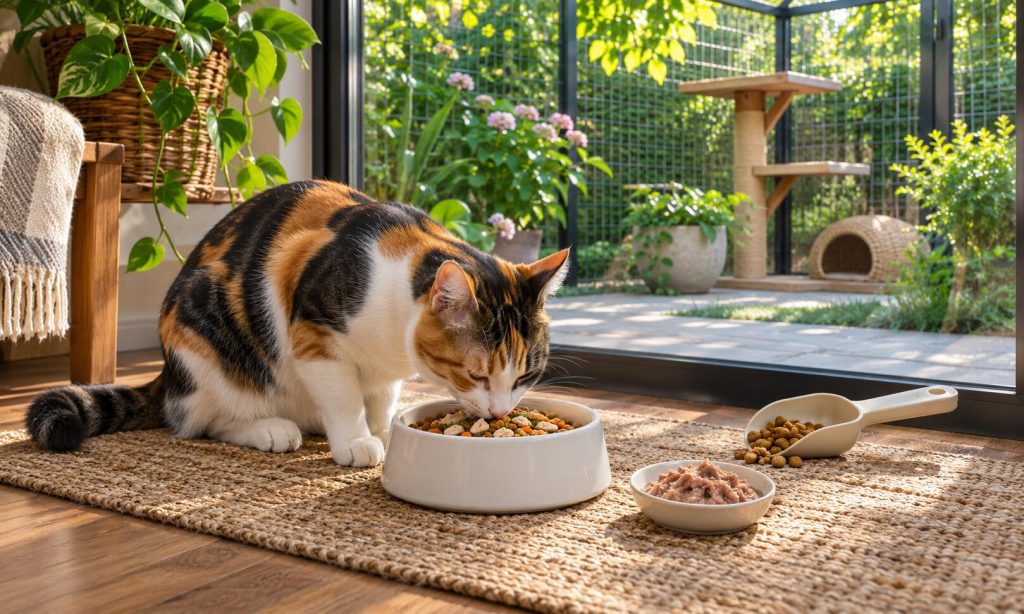
A cat that spends time outdoors does not automatically need a high-calorie diet. Some outdoor-access cats explore constantly, while others nap on a patio and spend evenings indoors. The best cat food for indoor outdoor cats depends on body condition, age, activity, and any extra food the cat obtains elsewhere. Wet versus dry texture also affects hydration and meal management, but neither form is automatically superior for every animal.
I compared seven complete adult recipes that cover active lifestyles, ordinary maintenance, indoor-oriented weight management, and moisture-rich wet meals. Product listings describe their intended uses, but only your cat’s condition and feeding response can establish the right portion. Keep outdoor access supervised or safely enclosed when possible, maintain parasite prevention, and avoid leaving food where wildlife can reach it. A veterinarian can help tailor calories for weight change, illness, or a cat returning after long periods away from home.
Quick Picks for Indoor-Outdoor Cats
Start with measured daily intake, not a label promising more energy. Choose a formula suited to the adult cat’s life stage, then adjust feeding to actual weight and activity. Wet food is worth comparing for moisture and portion flexibility.
| Product | Best For | Key Advantage | Buy | |
|---|---|---|---|---|
| Royal Canin Fit & Active | Outdoor-access adults | Dedicated active adult formula | View on Amazon | Jump to Review |
| Purina Pro Plan Complete Essentials | Regular mixed-lifestyle feeding | Chicken protein plus probiotics | View on Amazon | Jump to Review |
| Hill’s Science Diet Adult 1–6 | Straightforward adult maintenance | Protein with skin-coat nutrients | View on Amazon | Jump to Review |
| IAMS Proactive Health Indoor | Mostly-indoor outdoor visitors | Fiber for hairball management | View on Amazon | Jump to Review |
| Purina Pro Plan Indoor Balance Wet | Moisture and weight tracking | Portionable wet variety pack | View on Amazon | Jump to Review |
| Nulo Minced Wet Variety | Protein-rich wet meals | Minced meat in broth | View on Amazon | Jump to Review |
| Blue Buffalo Tastefuls Pâté | Smooth wet food variety | Chicken and fish pâté options | View on Amazon | Jump to Review |
1. Royal Canin Fit & Active Adult — Best Outdoor-Oriented Dry Food

What We Like
- Made for adults with outdoor access
- Explicit calorie-management focus
- Antioxidants included
- Clear one-year-plus age target
- Dry feeding convenience
What We Don’t Like
- Not customized to individual activity
- Small bag size may cost more per pound
Royal Canin Fit & Active is the most directly targeted formula here for an adult cat that regularly accesses the outdoors. Its listing states that it is intended for cats one year and older with outdoor access. The food includes an antioxidant blend and a defined calorie approach aimed at maintaining body condition. Those features are relevant, but the phrase outdoor cat covers a wide range of activity. A cat that patrols a safe enclosed garden may use different energy from one that spends nearly every afternoon sleeping. Look at body condition, not only lifestyle labels.
The dry format makes it practical to portion measured meals indoors, where you can see exactly how much your cat eats. Keep fresh drinking water available and consider adding suitable wet meals for moisture. The formula is not a substitute for parasite control, vaccinations, safe shelter, or supervision. Outdoor access also raises the possibility of scavenged food or feeding from neighbors, which can quietly push calorie intake beyond your plan. If weight rises or falls unexpectedly, investigate the full day’s intake and discuss unexplained changes with a veterinarian.
For an active adult cat with no medical diet requirement, this Royal Canin recipe is a reasonable benchmark. It is less appropriate to pick solely because the cat occasionally steps outside. Compare the bag’s calorie density with your current food and transition gradually. Monitor appetite, stools, and weight during the change. If you need advice on portions, our guide to feeding amounts for outdoor cats addresses the moving parts. The main strength is clear intended use; the limitation is that activity cannot be predicted from a product label.
My Recommendation
Royal Canin Fit & Active is my category-specific dry choice for a healthy adult cat with regular outdoor activity. The purpose is clearer than a generic high-protein claim. I would still measure portions and review body condition monthly. A mostly sedentary patio cat may need ordinary maintenance calories instead.
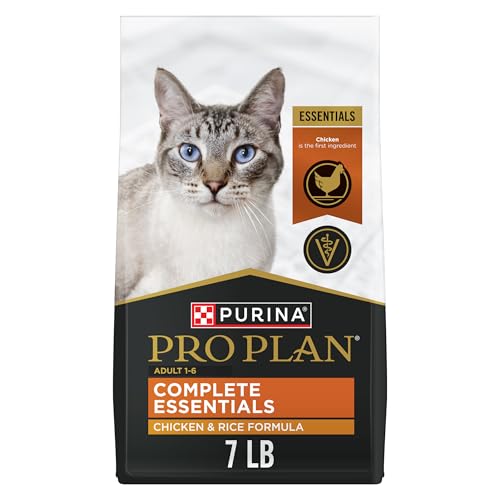
2. Purina Pro Plan Complete Essentials — Best Everyday Dry Balance
What We Like
- Real chicken listed first
- Prebiotic chicory-root fiber
- Live probiotics in formula
- Complete adult food
- Seven-pound bag option
What We Don’t Like
- Chicken recipe may not suit sensitivities
- Dry food contributes less moisture
Purina Pro Plan Complete Essentials Chicken & Rice is a broad adult maintenance option rather than a specialist outdoor formula. The listing emphasizes chicken as its first ingredient, prebiotic fiber from chicory root, and added live probiotics. Those details may interest an owner who wants familiar everyday feeding with digestive support. They do not mean the food will correct chronic vomiting, diarrhea, or a diagnosed gastrointestinal disease. If those signs persist, seek veterinary evaluation. The main advantage of a general adult diet is that it can work for a cat whose daily outdoor activity varies from week to week.
A mixed-lifestyle cat may eat the same complete food throughout the year while its portion changes with energy needs. Use the nutrition label to calculate calories per measured serving. Avoid adding uncounted handfuls each time the cat returns from outside. Treats, table scraps, and food from neighbors count too. If the animal is overweight, increased outdoor access is not a reason to overfeed. Dry food is convenient in a controlled indoor feeding area, but it offers less moisture than wet meals. Fresh water should remain accessible in several safe locations.
The probiotics are a formulation feature, not a promise of improved health for every pet. Transition gradually, watching stool, appetite, and willingness to eat. If the cat already has a veterinary diet, discuss any change before purchasing. The seven-pound bag can be practical for one adult cat, provided it is stored sealed and used within the recommended period. I like this option when a household wants a consistent baseline food and will adjust calories through portions. It is less appealing when a cat needs a specific therapeutic formula or stronger moisture support.
My Recommendation
Purina Pro Plan Complete Essentials suits a healthy adult indoor-outdoor cat needing an ordinary, consistent dry diet. Chicken protein, prebiotic fiber, and probiotics are clear listed features. The crucial decision is still portion size. I would not assume the formula can treat digestive problems or compensate for unrestricted snacks outdoors.
3. Hill’s Science Diet Adult 1–6 — Best Simple Maintenance Option

What We Like
- Clear adult 1-to-6 age target
- Chicken dry-food recipe
- Omega-6 and vitamin E listed
- Protein for muscle maintenance
- Easy-to-measure meals
What We Don’t Like
- Not a specialized outdoor formula
- Not appropriate for every life stage
Hill’s Science Diet Adult 1–6 focuses on ordinary adult nutrition rather than an outdoor lifestyle claim. Its chicken dry food is intended for cats aged one to six, and the listing highlights protein, omega-6 fatty acids, and vitamin E. These features make it a practical maintenance comparison for a young or middle-aged adult that alternates short outdoor excursions with long indoor naps. No ingredient list can tell you whether a cat needs more calories without knowing its actual size, neuter status, and body condition. Start with measured amounts and reassess over time.
The predictable age range is helpful, but it is also a limitation. A senior or growing kitten needs a life-stage decision, not simply the diet eaten by another household cat. If your outdoor-access adult becomes much more active during one season, small portion adjustments may be sensible after reviewing weight trends. Do not automatically switch to higher-calorie food. Indoor cats that gain access to a safe catio often spend more time observing than running. They still benefit from play and activity, but the food should follow their real energy use.
Dry food stores conveniently and is easy to portion, provided the bag is sealed away from moisture and pests. Do not leave a dish outside all day where insects, wildlife, and weather can contaminate it. Feed indoors when feasible and remove uneaten portions according to safe storage guidance. The food’s omega and vitamin E features may support normal skin and coat maintenance, though they cannot treat parasites or inflammatory disease. For a healthy adult with no unusual nutritional need, Hill’s is a straightforward option to compare on acceptance, calories, and cost per day.
My Recommendation
I would consider Hill’s Adult 1–6 for a young or middle-aged cat with modest supervised outdoor activity. It does not exaggerate outdoor-specific nutrition; it provides a defined adult maintenance role. Measure calories and watch body condition. Senior cats, kittens, and pets with medical conditions should have a more tailored diet discussion.
4. IAMS Proactive Health Indoor — Best for Mostly Indoor Cats

What We Like
- Chicken and turkey protein
- Beet-pulp fiber blend
- Indoor-oriented formula
- Prebiotics mentioned
- Seven-pound dry bag
What We Don’t Like
- Indoor calorie profile may not suit very active cats
- Fiber not a cure for vomiting
An indoor formula may still suit an indoor-outdoor cat that spends most hours resting inside. IAMS Proactive Health Indoor is a chicken-and-turkey adult dry food with a fiber blend and prebiotics. The listing specifically promotes hairball care through its beet-pulp-based fiber approach. That may be relevant to a grooming-heavy cat that comes indoors covered in seasonal shedding. It is not a remedy for repeated vomiting. If a cat retches often, loses weight, or refuses food, a veterinarian should investigate. The feeding plan still depends on actual activity rather than the word indoor on the bag.
This choice illustrates why a mixed lifestyle should be judged by the cat’s calendar. A pet may explore a secure balcony for twenty minutes and still have low daily energy expenditure. Another may climb, chase toys, and patrol an enclosure for hours. The same indoor-oriented formula might be suitable for the first and insufficient for the second without portion adjustment. Use a scale or measured scoop, review body condition regularly, and count snacks. Keep the food indoors to avoid attracting other animals to the property. Water access remains essential, especially with dry kibble.
IAMS offers a practical budget-conscious comparison if your cat enjoys poultry kibble and tolerates its fiber level. Transition slowly to avoid confusing normal adaptation with an intolerance. Monitor hairball frequency without assuming every cough or gag is a hairball. The product’s strength is its everyday indoor focus with recognizable fiber features. Its limitation is the risk of using the label as a shortcut for calorie decisions. An active outdoor-access cat may thrive on a different adult formula, while a mostly sedentary cat may do well here.
My Recommendation
IAMS Indoor is my practical comparison for a cat whose outdoor time is brief and whose main routine remains indoors. The fiber blend is a relevant listed feature for shedding-related hairballs. I would not choose it for persistent vomiting or assume its calories fit an athletic cat without checking the numbers.
5. Purina Pro Plan Indoor Balance Wet — Best Measured Wet Meals

What We Like
- Moisture-rich wet format
- Multiple fish and chicken recipes
- High-protein adult formula
- Weight and hairball focus
- Three-ounce cans simplify portions
What We Don’t Like
- Opened food needs refrigeration
- Fish flavors may not suit every cat
Purina Pro Plan Indoor Balance Wet offers a moisture-rich option for a cat that comes indoors for regular meals. The listing describes three-ounce cans in salmon, whitefish-and-tuna, and chicken varieties. It is marketed for healthy adult weight and hairball management. Those goals are reasonable to consider for a mostly indoor cat with some outdoor enrichment, but the food still needs to be portioned by calories. Wet food supplies water with each meal, which can help overall daily fluid intake, but cats still require reliable fresh drinking water. Flavor variety does not replace individualized nutrition.
Small cans can make mealtimes predictable. That is useful when a cat has intermittent outdoor access and you want to confirm it returned and ate normally. Feed in a safe indoor area, where food cannot draw ants, neighborhood pets, or wildlife. Discard exposed leftovers promptly and refrigerate opened cans according to the label. If your cat grazes over many hours, wet feeding may require more scheduling than a dry-food routine. Set a consistent mealtime without keeping food outdoors overnight. This reduces the chance of accidental overfeeding from multiple family members.
The hairball and weight claims are product positioning, not a guarantee against vomiting or obesity. If a cat needs a therapeutic urinary or kidney diet, ordinary wet food may not be interchangeable. Review the veterinary plan before changing food. This Purina pack is appealing for a household that values portion visibility and a mix of textures, while accepting the cleanup of wet meals. Watch body condition and appetite over several weeks rather than making daily changes based on one unusually active afternoon. The core advantage is controlled moisture-rich feeding.
My Recommendation
Purina Pro Plan Indoor Balance Wet is my choice for a mostly indoor cat with safe outdoor enrichment whose owner prefers scheduled wet meals. The cans help monitor appetite and deliver moisture. Calculate the full day’s calories if combining foods. I would not use its hairball claim as a substitute for evaluating persistent vomiting.
6. Nulo Minced Wet Cat Food — Best Brothy Texture

What We Like
- Minced meat and broth texture
- Multiple animal-protein recipes
- Taurine and vitamin A listed
- Complete balanced nutrition claim
- Three-ounce variety cans
What We Don’t Like
- Several protein sources complicate allergy trials
- High-protein claims do not set calorie needs
Nulo’s minced wet variety pack emphasizes animal protein and a meat-in-broth texture. The listing names turkey, duck, salmon, beef, and mackerel across its recipes and describes complete, balanced nutrition for intended cats. A wet minced meal can be appealing for a cat that drinks little from the bowl or simply prefers pieces in gravy. The high-protein positioning should not be taken as evidence that every outdoor-access cat needs more protein than a healthy indoor adult. Evaluate total calories, life stage, and medical needs first. A safe enclosed garden can provide enrichment without requiring an athletic diet.
Its broth contributes moisture, but it is not a free pass to ignore water. Provide clean water inside and in any secure outdoor enclosure. A variety pack can help a household compare flavor acceptance without buying several large bags. The same variety can be a drawback when trying to identify food reactions. If a veterinarian has prescribed a strict elimination diet, a multiprotein assortment is usually not the place to start. Check every can’s nutritional statement and feeding directions. Different recipes in a pack may vary in calories or ingredients.
Wet meals make it easier to see whether a cat finishes food during a scheduled visit indoors. They also require more prompt cleanup than kibble. Do not leave minced meat outside where heat and insects can spoil it or attract other animals. For a healthy adult cat that enjoys a brothy texture, Nulo offers a distinctive alternative to dry maintenance foods. Its omega and micronutrient claims are features to compare, not proof of improved coat or heart health for an individual pet. Keep records of weight and appetite as you adjust portions.
My Recommendation
Nulo Minced is a useful wet option for a cat that likes pieces in broth and eats at scheduled indoor meals. I like its moisture and texture variety. The multiple animal proteins are a poor fit for an elimination diet. Base portions on calories, not the assumption that outdoor access always means unusually high energy needs.
7. Blue Buffalo Tastefuls Pâté — Best Smooth Wet Texture

What We Like
- Smooth pâté texture
- Chicken and fish choices
- Moisture-rich meals
- Three-ounce cans
- Veterinarian-and-nutritionist development claim
What We Don’t Like
- Flavor changes do not suit strict diet trials
- Wet meals require prompt storage
Blue Buffalo Tastefuls is a pâté variety pack for adult cats that prefer smooth texture over minced pieces or dry kibble. The listing features chicken, salmon, and ocean fish-and-tuna entrées, with meat or fish named as primary ingredients. Its high moisture content is relevant to daily fluid intake, particularly for a cat that spends periods in a warm, enclosed outdoor space. The food cannot prevent dehydration on its own. Provide fresh water and shade, and monitor activity during hot weather. Moisture and flavor are useful features, but a complete nutritional fit matters more.
The cans can be divided into planned meals indoors. That helps track intake if the cat has been within a supervised garden or catio. Keep the feeding area clean, pick up leftovers, and refrigerate opened food promptly. A smooth pâté may be easier for cats to lap than large chunks, but chewing difficulty or mouth pain should lead to a dental examination. Do not assume soft food treats an oral disease. Flavor variation appeals to pets that enjoy choice, though it may complicate the assessment of food allergies.
Blue Buffalo describes its nutrition as developed with veterinary and animal nutrition input. Such a claim does not show that the food suits every lifestyle. Compare the calorie statement and adult feeding guide with your pet’s intake. If you mix wet and dry meals, count both toward the daily total. An outdoor-access cat may obtain unseen snacks, so weight trends can be more informative than one calculated meal. Tastefuls stands out for smooth wet texture and variety, not for a special requirement unique to outdoor cats.
My Recommendation
Blue Buffalo Tastefuls is my smooth-texture alternative to the minced Nulo and the indoor-positioned Purina wet pack. It suits a healthy cat that eats scheduled meals and enjoys pâté. I would use calories and body condition to set portions. The wet format supports moisture intake but does not replace safe outdoor hydration.
How to choose best cat food for indoor outdoor cats
An indoor-outdoor lifestyle changes opportunities for activity, but it does not determine a single ideal nutrient formula. Choose a complete food for the cat’s age and health, then use measured portions and regular weight checks to judge whether it fits.
Match Calories to Observed Body Condition
A cat with occasional patio time may need no more calories than a typical indoor cat. Another cat with frequent supervised climbing or running may need a different portion. Neuter status, age, illness, weather, and body condition also matter. Start with the label’s feeding guide as an estimate, not an exact prescription. Measure meals in grams or with a consistent scoop. Review weight and body condition over several weeks rather than adjusting wildly after one active day. Ask a veterinarian to establish a calorie target if your pet is underweight, overweight, pregnant, growing, or chronically ill.
Remember food outside the visible bowl. Neighbors may feed a roaming cat, family members may double-feed, and hunting behavior can make intake uncertain. A secure enclosure and scheduled indoor meals improve oversight. Our outdoor-cat food portion guide explains why weight trends should guide daily amounts.
Balance Wet Food, Water, and Meal Timing
Wet foods contain substantially more moisture than dry kibble and can support fluid intake as part of a complete diet. That does not mean all cats need wet food or that it replaces fresh water. Place clean water in the home and any safe outdoor enclosure. In warm weather, check bowls more often. Schedule meals indoors where you can see what your cat eats. Do not leave meat-based wet food on a porch or patio, because temperature, insects, and other animals increase hygiene risks. Dry food should also be protected from moisture, pests, and wildlife.
If you combine wet and dry diets, add their calories together. Switching textures abruptly can lead to refusal or digestive upset. Introduce changes gradually and monitor stool and appetite. Our guide to making mealtimes easier for cats offers ideas for calmer supervised feeding.
Support Safe Outdoor Activity Without Overfeeding
Outdoor access carries risks that a particular food cannot solve. Parasites, infectious disease, traffic, other animals, and weather require separate planning. Supervised outings or a secure catio make it easier to monitor the cat and control food sources. Discuss routine veterinary prevention and identification with your veterinarian. A nutritional label promising immune or coat support cannot replace those measures. Check body condition and grooming regularly, especially if the cat spends time in vegetation. The guide to protecting outdoor cats from foxes explains one safety issue that diet alone cannot address.
Choose products based on verified life-stage statements and nutritional suitability. A cat eating a therapeutic renal or urinary diet should not switch because an outdoor formula sounds more energetic. If body weight changes without an obvious reason, or if vomiting, diarrhea, thirst, or appetite changes persist, arrange veterinary assessment. Good food supports a safe daily routine; it cannot compensate for uncontrolled roaming.
Frequently Asked Questions
These answers apply to cats that split time between indoor living and safely managed outdoor access.
Do indoor-outdoor cats need more calories than indoor cats?
Not automatically. Activity varies widely. Use current weight, body condition, life stage, and veterinary guidance rather than adding food just because the cat goes outdoors.
Is wet or dry food better for an indoor-outdoor cat?
Either may fit as complete nutrition. Wet food adds moisture to meals; dry food is convenient to measure and store. Many cats do well with a calculated combination. Keep clean water available.
Should I leave cat food outside all day?
It is usually safer to feed indoors. Outdoor food can spoil or attract insects, wildlife, and other animals. Scheduled indoor meals also help you monitor appetite and portions.
Can I use an indoor formula if my cat visits a catio?
Yes, if the formula meets the cat’s nutritional needs and the calories suit its body condition. Brief outdoor enrichment does not automatically require a higher-energy diet.
How can I tell whether portions are right?
Track body weight and body condition over time, measure servings, and account for treats or other food sources. Ask your veterinarian about unexplained weight changes or special medical needs.
Final Verdict
Royal Canin Fit & Active is the clearest outdoor-oriented adult dry formula here, while Purina Pro Plan Complete Essentials and Hill’s Adult 1–6 are sensible maintenance comparisons. IAMS may suit a mostly indoor cat with brief outdoor visits. For scheduled moisture-rich meals, Purina Indoor Balance, Nulo Minced, and Blue Buffalo Tastefuls offer different textures. None removes the need for measured calories, fresh water, safe outdoor access, and monitoring. The best choice is the one that maintains healthy body condition while your cat follows its real routine.
Affiliate disclosure: This article contains Amazon affiliate links. If you purchase through them, PetAdvisorPro may earn a commission. As an Amazon Associate I earn from qualifying purchases.









