
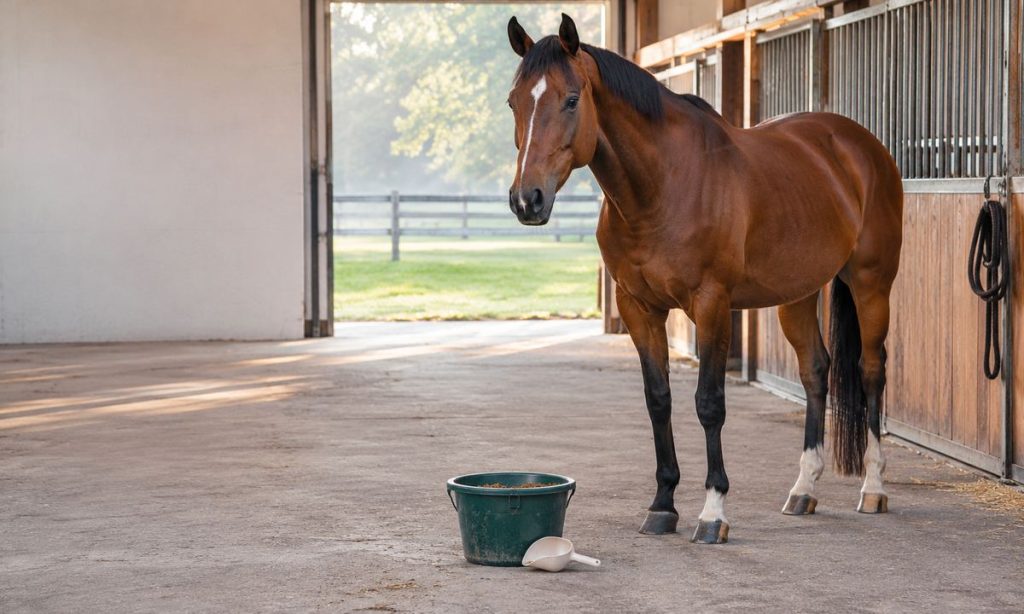
Magnesium is an essential mineral involved in normal muscle and nerve function. Horses usually obtain it through forage and balanced feed, but a ration can vary by forage source and feeding program. If you want to know how to use and care for a magnesium supplement for horses, the first step is determining whether the animal needs more magnesium. Adding a scoop because a horse seems tense can miss the real cause and upset a carefully balanced diet.
This practical guide covers ration review, label reading, gradual introduction, safe handling, storage, and signs that require professional help. Our best magnesium supplement for horses guide offers related category context, but choosing a supplement should not precede evaluating the whole feeding plan. A veterinarian or equine nutritionist can help assess the horse's diet, health, activity, and laboratory findings when warranted.
Find Out Whether the Ration Supplies Enough Magnesium
Start with the horse's body weight, workload, forage intake, and every concentrate or ration balancer being fed. Record the actual amounts, not just the names on bags. Hay contributes minerals, but content varies. A forage analysis and a complete feed tag are more useful than guessing from hay color or pasture appearance. Some complete feeds already supply required magnesium when fed at their labeled rate. Adding a separate product on top may be unnecessary.
Compare the full diet with recognized equine nutrient requirements, ideally with professional guidance. Minerals interact, so the goal is balance across the diet, not maximizing a single number. Consider calcium and phosphorus alongside other ration components. Sudden behavioral changes may reflect pain, training, environment, or medical conditions rather than a magnesium shortage. A quiet horse is not proof of adequate magnesium, and a reactive horse is not proof of deficiency. This distinction is central to how to use and care for a magnesium supplement for horses responsibly.
Read the Label and Calculate the Actual Mineral Amount
Read the feeding directions for horse body weight, serving size, and intended ration. Look for the magnesium contribution per measured serving, not only the weight of the entire powder or pellet. A label may list a compound containing magnesium rather than pure elemental magnesium. Those numbers are not interchangeable. Avoid calculating a new dose from internet anecdotes. If the directions are unclear, obtain clarification from a qualified professional before making a change.
Check the ingredient list, batch information, lot number, expiration guidance, and any caution statements. Confirm that the supplement is formulated for horses and that it does not duplicate ingredients in other products. Keep a photo or written record of the label and the quantity actually fed. That record is useful during a veterinary consultation and when feed bags change. How to use and care for a magnesium supplement for horses includes knowing what is in the scoop and why it belongs in the ration.
Introduce a Change Carefully and Observe the Horse
If a professional recommends supplementation, follow the agreed plan and labeled instructions. A gradual change to feed handling can help identify acceptance problems and avoid sudden disruption to the routine. Measure servings consistently with the specified scoop or a suitable scale. Mix the product evenly into the amount of feed designated by the plan rather than leaving a concentrated pocket. Make sure the horse consumes the intended portion, especially when several animals share feeding space.
Keep ordinary forage and water access appropriate to the horse's needs. Monitor appetite, manure, behavior, comfort, and actual feed consumption. Record dates, amounts, and changes, but do not expect a supplement to diagnose or cure anxiety, muscle disease, or performance problems. The absence of dramatic change does not mean the dose should be increased. If a horse refuses meals or develops concerning signs, stop the unapproved adjustment and contact the veterinarian. Consistency and observation matter more than chasing an immediate effect.
Store Powder, Pellets, and Scoops Correctly
Follow the package's storage instructions. In general, keep supplements sealed in a dry, cool area away from direct sun, excess humidity, insects, and rodents. Store them separately from pesticides, medications, and cleaning agents. Moisture can lead to clumping or contamination, while damaged bags can attract pests. Never use a container without a clear identity and directions. If you transfer material to a bin, preserve the original label, lot number, instructions, and expiration information.
Use a clean, dry scoop, and avoid dipping wet hands or damp tools into the container. Check for odor, discoloration, foreign material, or unusual texture before feeding. Discard products that appear spoiled or contaminated, following safe disposal guidance. Rotate inventory so older sealed supplies are used before newer ones when within date. Our guide to reading horse food labels and comparing hay ingredients supports a broader ration audit. A tidy feed room protects both horse health and the accuracy of daily servings.
Avoid Common Supplement Errors
One frequent mistake is feeding a supplement on top of an already complete ration without recalculating totals. Another is equating a marketing claim about calm behavior with proof of a magnesium deficiency. A third is using a human preparation or another species' product without professional advice. Magnesium needs depend on the whole diet and individual horse. Supplements are not substitutes for adequate forage, correct workload, pain assessment, hoof care, and thoughtful training.
Do not make several ration changes at once if you need to understand the effect of one. Keep records of new feed, turnout, exercise, and veterinary treatments. If you see an unexpected change, these notes help establish a timeline. For a related example of supplement decision-making, read what to know before adding a hoof supplement to a horse's routine. The specific task of how to use and care for a magnesium supplement for horses is not a reason to add minerals by habit.
Know When Veterinary Evaluation Comes First
Muscle trembling, weakness, abnormal sweating, stiffness, loss of appetite, colic signs, or marked behavioral change can have many causes. They deserve veterinary assessment rather than a home trial of additional magnesium. The same applies if a horse has a chronic health condition, receives medication, is pregnant, or has a major change in diet or workload. A veterinarian may recommend an examination, feed analysis, or targeted testing based on the complete clinical picture.
Discuss any proposed supplement and its complete label with the veterinarian. Ask how success will be judged, how long to monitor, and whether other dietary changes are needed. Do not stop prescribed treatment or give more than directed. The safest feeding plan is individualized and revisited when hay supply, body condition, workload, or health changes. If a supplement is not needed, a balanced forage-based ration may already be the right answer. More powder does not always mean better care.
Plan a Simple Review Routine
Set a reminder to review the ration when opening a new hay batch, changing feed, or adjusting exercise. Check the quantity supplied per day, the amount remaining, and whether each horse eats the intended portion. Wash feed buckets according to normal hygiene practice, keep scoops dry, and check containers for pests. Put an updated feed sheet where all caregivers can follow it, so one horse does not receive the same supplement twice from different people.
At periodic veterinary or nutrition visits, bring feed labels, forage results, and your log. Ask whether the supplementation goal remains relevant. Seasonal changes can alter forage intake and nutritional needs; the plan should respond to the horse rather than run indefinitely without review. Knowing how to use and care for a magnesium supplement for horses means recognizing when to maintain, adjust, or discontinue it under guidance. Good records make those discussions more accurate and less dependent on memory.
Frequently Asked Questions
Magnesium questions often blend nutrition, behavior, and medical concerns. Separating them helps protect horses from unnecessary or excessive supplementation. The answers below provide general husbandry guidance; exact requirements and doses should be determined from the complete ration and the animal's condition.
No single product format is automatically right for every horse. Powder and pellets may differ in serving size and acceptance, while the mineral contribution is what ultimately matters. Read the label and discuss changes with the professional managing the horse's nutrition.
Does a nervous horse always need extra magnesium?
No. Stress, discomfort, management, training, and illness can affect behavior. A magnesium deficiency should not be assumed from nervousness alone. Assess the horse and ration first.
Can I add magnesium to a complete feed?
Possibly, but only when the full ration shows a need and a veterinarian or equine nutritionist agrees. Complete feeds may already provide sufficient minerals at labeled feeding rates.
Is a heavier scoop a stronger dose?
Not necessarily. The product's weight and elemental magnesium amount are different measures. Compare the actual mineral contribution per labeled serving and do not improvise quantities.
What should I do if the supplement gets damp?
If moisture, mold, unusual smell, or contamination is suspected, do not feed it. Follow the manufacturer's disposal guidance and store a fresh supply in a clean, dry container.
How soon should I judge whether supplementation helped?
Agree on meaningful outcomes and a review period with the veterinarian. Changes in behavior alone are not a reliable deficiency test, and a lack of change is not permission to increase the dose.
Final Words
How to use and care for a magnesium supplement for horses begins with a complete ration assessment. Check forage, feed, existing minerals, and the horse's actual needs before supplementing. Then follow measured instructions, introduce a planned change carefully, store the material dry, and monitor consistently. Treat unexplained clinical signs as veterinary concerns rather than feeding experiments.
If you are exploring best magnesium supplement for horses, keep the broader comparison secondary to diet balance and animal welfare. Good nutrition is a measured plan, not a competition for the fullest feed bucket. Revisit that plan when the horse's circumstances change.
Reference
These educational references support the distinction between routine mineral nutrition and the need for individualized feeding decisions. They do not establish that a particular magnesium product treats behavior or disease. Discuss your horse's clinical circumstances and ration with a qualified veterinarian or equine nutritionist before supplementing.
The resources below are published by university extension programs and address the composition of equine diets, mineral balance, and responsible feed assessment. Check their current guidance alongside the actual feed labels and forage results available for your horse.









