Owners often search for energy supplements for horses when a horse loses condition, seems tired under saddle, or faces a heavier workload. Yet the word energy can mean extra dietary calories, improved stamina, or even a stimulating effect, and these are not interchangeable. A useful choice begins with what the horse eats, how much work it actually does, and whether its current weight is appropriate. Supplements should fill measured gaps, not mask unexplained performance changes.
This guide explains the features that matter most: a clear energy declaration, sensible ingredients, feeding-rate transparency, compatibility with forage, and suitability for the individual horse. It also covers when to seek veterinary assessment, how to introduce calorie-dense additions, and which marketing claims deserve caution. For a horse with a metabolic condition, a breeding mare, or a hard-working athlete, an equine veterinarian or nutritionist should review the whole ration before changes are made.
Start With the Horse’s Actual Energy Need
Digestible energy is the usable calorie contribution of a horse’s complete diet. Workload, body weight, age, weather, pregnancy, and lactation influence that requirement, but an increase in training does not automatically justify a supplement. Estimate forage intake and the calories already supplied by the concentrate, then compare the horse’s body-condition trend and exercise response. A horse maintaining ideal condition may need better conditioning or medical evaluation rather than more feed.
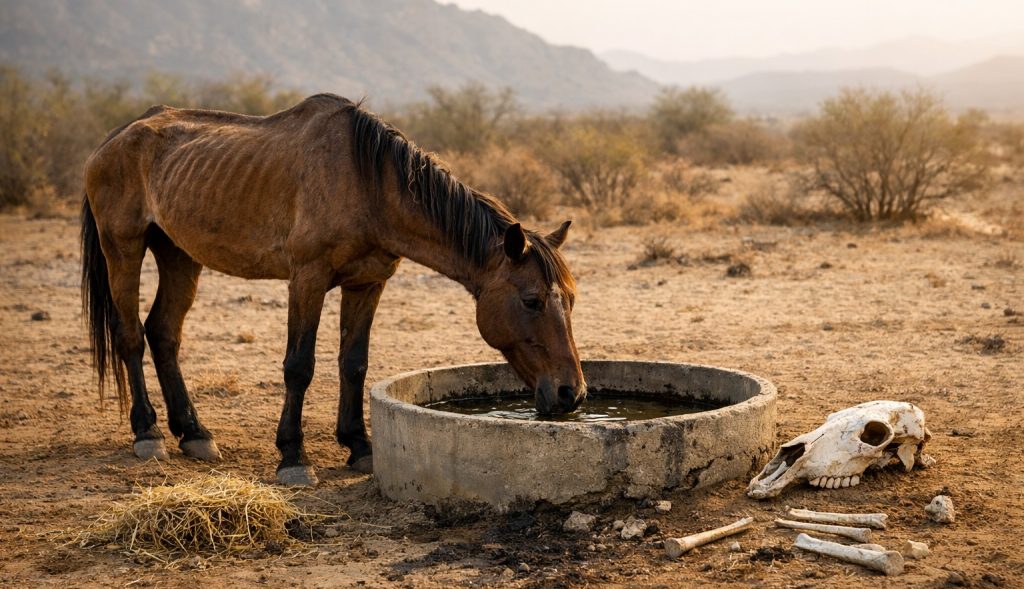
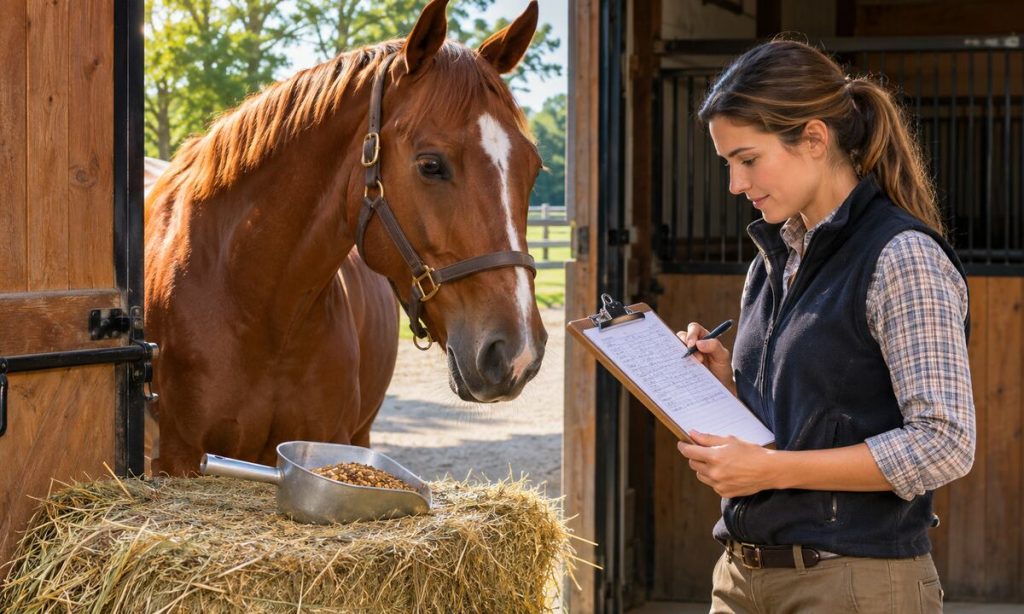
A declining weight trend can come from inadequate forage, dental trouble, parasites, pain, or illness as well as low calorie intake. Record a weight-tape estimate, body condition score, workload, and feed quantities at consistent intervals. Seek veterinary advice if an apparently well-fed horse loses weight, becomes unusually fatigued, has an altered appetite, or shows discomfort. A supplement cannot diagnose or correct those underlying problems.
Read the Calorie Declaration, Not the Front Label
The most useful label states digestible energy per kilogram, pound, or serving and provides a measurable daily feeding direction. Compare units carefully: a small scoop of concentrated fat can differ substantially from a large scoop of fiber pellets. ‘High energy’ and ‘performance’ are marketing descriptions unless the actual nutrient panel explains how the product contributes calories. Write down both the serving mass and energy contribution before judging value.
Check whether the product is a complete feed, ration balancer, or supplementary ingredient. These categories serve different purposes and their feeding directions should not be interchanged. Look for clear batch identification, manufacturer contact details, ingredient listing, and storage advice. Vague proprietary blends or missing nutrient amounts make it harder to review the supplement with a professional or detect overlapping ingredients in the existing ration.
Compare Fiber, Fat, and Starch Sources
Digestible fiber and dietary fat may add calories without relying heavily on starch. Beet pulp, properly formulated high-fiber feeds, and oil-based sources perform different jobs; each still needs careful ration balancing. Forage remains the foundation of most horse diets. Replacing substantial hay with a concentrated supplement can undermine normal chewing time, gut function, and daily management even when the calorie total appears sufficient.
Starch and sugar content deserve special attention in horses with insulin dysregulation, equine metabolic syndrome, laminitis history, or certain muscle disorders. A higher-fat option is not automatically appropriate, and rice-bran products can vary in carbohydrate content. The safe decision depends on a forage analysis and a veterinary nutrition plan. Introduce any fat or concentrate change gradually while monitoring manure, appetite, and acceptance.
Check Protein and Micronutrient Overlap
More calories do not guarantee enough essential amino acids, minerals, or vitamins. A product might deliver energy but little useful protein, while another duplicates selenium or other nutrients supplied by a fortified feed. Gather the labels of everything the horse receives, including salt, treats, and balancers. Compare total daily intake rather than evaluating the proposed supplement alone. Extra supplementation can create imbalance rather than improvement.
If a horse needs better topline, lack of quality protein or appropriate exercise may matter more than an additional calorie source. Likewise, an underweight senior with chewing difficulty may benefit from a different forage form rather than a performance supplement. Qualified guidance is particularly important for growing horses, pregnant mares, and animals with chronic illness because their nutritional needs differ from a healthy adult at maintenance.
Look for Realistic Feeding Instructions and Quality Controls
Prefer products that identify an exact amount by weight, whether they are intended to replace feed or be added to it, and how to adjust for body size. A scoop is only useful if its weight for that particular product is stated or measured. Check that the package is intact, has a readable lot number and expiration date, and can be stored away from heat, moisture, pests, and sunlight.
Marketing promises of instant stamina, calm behavior, or muscle gain should not replace evidence. Horses generally adapt to changes in feed and fitness over time. Avoid products with unexplained stimulant ingredients, unsupported therapeutic claims, or inadequate disclosure, especially for competition horses subject to medication or substance rules. When in doubt, the veterinarian and event governing body can help assess whether an ingredient is appropriate.
Introduce Additions Slowly and Track Responses
Make one change at a time so you can interpret the response. Start below the eventual feeding amount and increase over several days or longer as the label and veterinary plan advise. Mix the supplement with familiar feed and provide fresh water. Keep forage access consistent, observe eating behavior, and stop the transition for advice if colic signs, diarrhea, marked refusal, or new abnormal behavior appears.
Monitor body condition over weeks rather than expecting visible results after one meal. Record the amount fed, workload, manure quality, weight estimates, and ride observations. If the horse gains excessive condition, reduce unnecessary calories with professional guidance. A supplement that is difficult to feed consistently or produces digestive upset is not a good practical match even when its advertised composition looks attractive.
Match the Product to the Horse, Not the Discipline
A lightly ridden easy keeper needs a different ration from an endurance athlete, an older horse losing weight, or a broodmare in late pregnancy. Use work level and actual condition as inputs, then choose nutrient delivery that fits the horse’s digestive and metabolic health. Owners of active horses can also consult the performance horse supplement guide for context, without assuming every athlete needs extra calories.
Budget and barn routine matter too. Calculate cost per useful unit of energy, not only price per container; check whether staff can measure each serving consistently and whether the product fits the feed room’s storage conditions. A reliable feeding plan with adequate forage, appropriate concentrates, suitable exercise, and regular health care usually provides more value than a supplement purchased because it promises a dramatic transformation.
Frequently Asked Questions
The questions below address how owners can interpret energy claims without confusing nutritional calories with a temporary stimulating effect. Individual recommendations depend on the complete ration and the horse’s veterinary history.
Use the answers as a starting point for a feeding discussion. Where weight loss, abnormal fatigue, digestive signs, or metabolic disease are involved, professional evaluation takes priority over experimenting with products.
Do energy supplements make horses hyper?
A calorie supplement is not necessarily a stimulant. Behavior can also change with workload, pain, training, management, and large dietary changes. Review ingredients and the total ration instead of assuming all energy products have the same behavioral effect.
Does an easy keeper need extra calories?
Usually not simply because it is exercising. Check body condition and existing energy intake first. Excess calories can cause unwanted weight gain, and an insulin-dysregulated horse needs an individualized plan.
Can I use oil instead of a commercial energy supplement?
Oil can add calories, but it lacks the balanced vitamins and minerals of a complete ration and must be introduced gradually. Ask an equine nutrition professional whether it fits the horse’s overall diet.
How quickly should a horse show improvement?
Weight and condition changes generally require consistent feeding and monitoring over weeks. Sudden fatigue or unexplained poor performance warrants veterinary assessment rather than waiting for a supplement to work.
Should I feed a supplement on rest days?
Follow the individualized feeding plan and the specific product directions. Erratic large swings in concentrate feeding are unwise; discuss workload-related adjustments with a professional and preserve forage intake.
Final Words
The features that matter in energy supplements for horses are measurable calorie delivery, transparent nutrient information, safe ingredient choices, and practical directions that fit a horse’s existing forage-based diet. No single ‘energy’ supplement is ideal for every horse, and more calories are not necessarily beneficial when body condition is already appropriate.
Begin with feed records and a realistic workload assessment, then introduce a justified change carefully and monitor the outcome. For performance context, tracking condition over time makes decisions easier. If weight or stamina changes unexpectedly, ask a veterinarian to investigate before adding another feed product.
Reference
The following veterinary and university-extension resources support the distinctions between digestible energy, forage quality, dietary fat, starch, and individual feeding requirements. They provide general educational context rather than a prescription for a specific horse.
Recommendations should be reviewed against current product labels and the horse’s health status. A veterinarian or qualified equine nutritionist can translate these principles into a balanced daily ration.