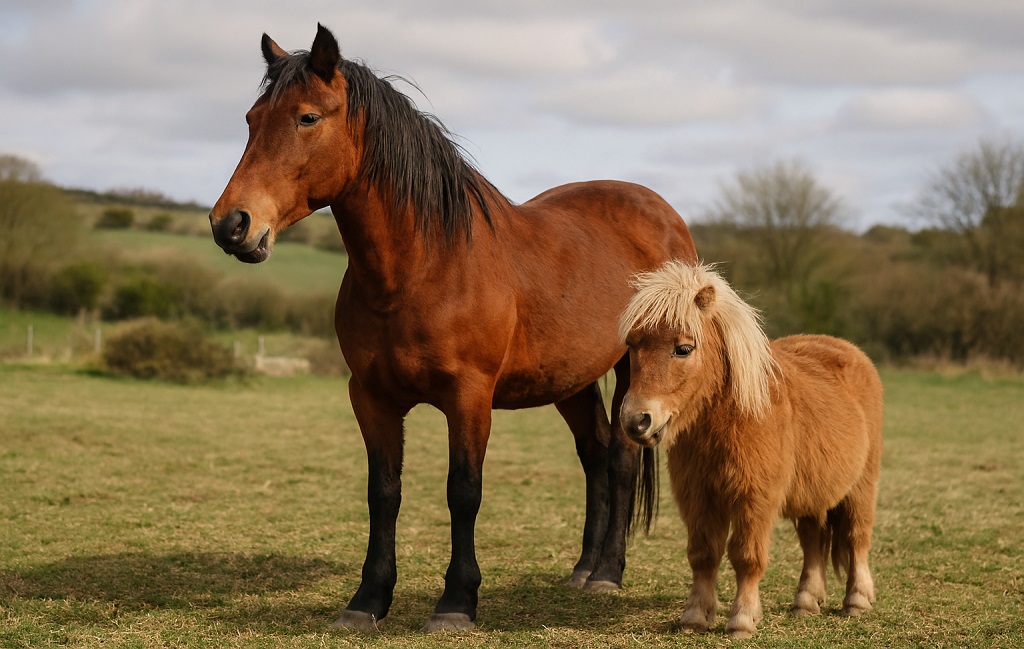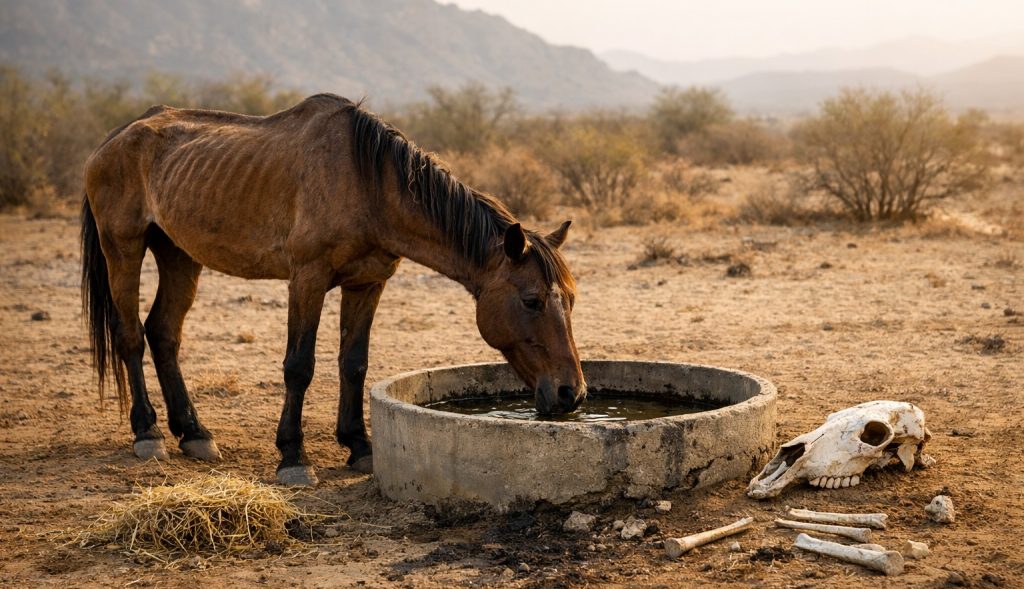

A horse that feels flat after exercise may need rest, water, forage, or veterinary care, not an instant energy booster. The best energy supplements for horses depend on what the ration actually lacks. High-fat products add calories, electrolytes address losses through sweat, and vitamin or amino-acid supplements serve different nutritional roles. They are not interchangeable. This guide compares seven verified products by intended purpose, format, feeding considerations, and limitations. We avoid claims that a powder can cure fatigue, dehydration, or poor performance. Before changing a working horse’s ration, review forage quality, workload, body condition, water access, and medical history with your veterinarian or equine nutritionist. Sudden weakness, collapse, heat distress, or marked exercise intolerance needs prompt veterinary attention. For help with the related decision, see how much water horses drink each day.
Quick Picks
These are seven distinct nutrition formats. Choose by the horse’s actual need, not by the shared marketing word energy.
| Product | Best For | Key Advantage | Buy | |
|---|---|---|---|---|
| Manna Pro Cool Calories 100 | Adding concentrated dietary calories | High-fat eight-pound supplement | View on Amazon | Jump to Review |
| Kentucky Performance Elevate Maintenance Powder | Targeted vitamin E provision | Vitamin E-focused powder | View on Amazon | Jump to Review |
| Kentucky Performance Endura-Max Electrolytes | Prolonged sweating and endurance work | Concentrated five-pound electrolyte blend | View on Amazon | Jump to Review |
| Equinety Horse XL Amino Acid Powder | Amino-acid ration discussions | Specialized amino-acid blend | View on Amazon | Jump to Review |
| Dexa-Lyte Horse Electrolyte and Amino Acid Syringe | Portable exercise-day supplementation | Single oral syringe format | View on Amazon | Jump to Review |
| Select Goodness Apple-A-Day Electrolyte Supplement | Routine sweat-loss planning | Five-pound apple-flavored electrolyte product | View on Amazon | Jump to Review |
| Vetanimus Horse Electrolytes Powder | Small-package electrolyte trial | Sodium-and-potassium-focused formula | View on Amazon | Jump to Review |
1. Manna Pro Cool Calories 100

What We Like
- High-fat calorie format
- Eight-pound bag listed
- Designed for body-condition support
- Different role from electrolytes
What We Don’t Like
- Not for horses needing fewer calories
- Must balance the full ration
Manna Pro Cool Calories 100 is a concentrated fat supplement, and that distinction is important. The listing describes an eight-pound bag with a very high fat fraction for adding dietary calories. It is a feed-energy product in the literal nutritional sense, not a rapid stimulant. It may belong in a plan for horses whose caloric intake is insufficient. The heavy calorie concentration makes portion accuracy especially important. Start with forage, water, training load, and a veterinarian’s assessment. A supplement should fill a defined gap rather than replace basic management.
Review body condition, workload, and existing concentrate before adding a high-fat product. An equine nutritionist can calculate how much extra energy is needed while keeping protein, minerals, and fiber in balance. Introduce changes gradually following the current package directions. Monitor manure consistency, appetite, and weight over time rather than expecting a visible performance change after one feeding. Consider whether the extra calories should come from forage changes instead. Energy in feed means usable calories. Electrolytes and vitamins have different jobs and should not be sold as interchangeable fuel.
Adding calories can be counterproductive for an easy keeper, overweight horse, or one with metabolic concerns. The supplement does not diagnose why an animal seems tired or underweight. If weight loss continues, investigate dental trouble, parasites, pain, and other medical causes. Its advantage is calorie density; that is also the reason to dose carefully. Monitor body condition over weeks, not one day of apparent energy. After a hot ride, access to clean plain water is essential. A concentrated electrolyte serving is not a substitute for drinking.
My Recommendation
Consider Cool Calories when a veterinarian or equine nutritionist has identified a genuine calorie shortfall. It is not an electrolyte or instant pep product. For a horse sweating heavily but maintaining weight, an appropriate hydration plan deserves attention before adding concentrated fat.
2. Kentucky Performance Elevate Maintenance Powder

What We Like
- Vitamin E purpose stated
- Two-pound powder format
- No broad multivitamin blend claim
- Useful for ration-specific planning
What We Don’t Like
- Does not add meaningful fuel calories
- May be unnecessary with adequate intake
Elevate Maintenance Powder is primarily a vitamin E product, not a calorie booster. The selected Kentucky Performance listing highlights a two-pound powder and vitamin E as its nutritional focus. This may be relevant where an equine professional identifies inadequate vitamin E intake from the horse’s forage and overall ration. It should not be mistaken for a stimulant or endurance treatment. Its narrow vitamin role can be useful when the ration has been analyzed. Energy in feed means usable calories. Electrolytes and vitamins have different jobs and should not be sold as interchangeable fuel.
Before purchasing, check how much vitamin E the animal already receives through fresh pasture, forage, fortified feed, and supplements. The proper amount depends on the whole diet and veterinary advice. A single-nutrient powder can be useful for targeted adjustment but is not a complete ration balancer. Follow the product’s current directions and maintain consistent feed records. Do not stack products without calculating the same nutrient from all sources. After a hot ride, access to clean plain water is essential. A concentrated electrolyte serving is not a substitute for drinking.
There is no reason to assume that every tired horse needs extra vitamin E. Excess or overlapping supplementation can complicate nutrition management. The product does not replace veterinary evaluation for muscle weakness or abnormal gait. If a medical condition requires a specific form or amount of vitamin E, use the veterinarian’s chosen plan rather than general internet dosing. Specific nutrient needs are more useful than a broad performance promise. Inspect the current label for amounts and ingredient sources. Never copy a dose from another product with a similar marketing name.
My Recommendation
Compare Elevate Maintenance only when vitamin E is a documented ration consideration. Its defined nutrient role is the benefit. It is unsuitable as a generic energy booster for a horse whose actual issue is poor conditioning, insufficient calories, dehydration, or pain.
3. Kentucky Performance Endura-Max Electrolytes

What We Like
- Endurance-horse positioning
- Calcium and magnesium on listing
- Five-pound container
- Sweat-loss replacement focus
What We Don’t Like
- Needs careful water management
- Not a source of useful feed calories
Endura-Max is an electrolyte supplement aimed at horses doing prolonged work. The listing emphasizes minerals lost through sweat, including calcium and magnesium, in a five-pound product. Electrolytes support normal fluid and nerve-muscle balance, but they are not a substitute for energy from forage or concentrate. This distinction becomes essential after long rides in warm conditions. The formula is oriented to sweating rather than general body weight. After a hot ride, access to clean plain water is essential. A concentrated electrolyte serving is not a substitute for drinking.
Use an electrolyte plan developed for the horse’s actual sweating and workload, not a fixed amount borrowed from another rider. Ensure clean plain water is always available. Many horses require appropriate salt intake before fancy supplements. Check the label’s preparation and serving directions and track drinking, recovery, and appetite after exercise. A horse’s water intake and recovery should be checked alongside supplement use. Inspect the current label for amounts and ingredient sources. Never copy a dose from another product with a similar marketing name.
Administering electrolytes when a horse is not drinking can worsen dehydration concerns. Seek prompt veterinary help for heat illness, weakness, collapse, or abnormal recovery. The large container makes sense for a regular endurance routine, but may be unnecessary for occasional light riding. Compare formulation and intended exercise use before choosing it over a smaller format. Heavy work and ordinary turnout call for different approaches. A horse with unexplained poor performance may be ill, painful, anemic, or overworked. More powder can delay useful diagnosis.
My Recommendation
This is a more relevant comparison for regularly sweating endurance horses than for a sedentary easy keeper. I would only add it after checking water access and the overall salt plan. A calorie supplement serves a different need if body condition is actually falling.
4. Equinety Horse XL Amino Acid Powder

What We Like
- Amino-acid focus
- Powdered feed addition
- Large claimed supply duration
- Distinct from basic electrolytes
What We Don’t Like
- Broad claims need scrutiny
- Not a replacement for complete feed protein
Equinety Horse XL is marketed as an amino-acid supplement, with a package described as a lengthy supply. Amino acids are building blocks of protein, not a rapid source of ride-day energy. That matters because the seller’s broader claims about performance and recovery do not establish a clinical benefit for every horse. Evaluate the actual nutrient role within the ration. Amino acids are important nutrients but do not directly replace carbohydrates and fats as caloric fuel. Inspect the current label for amounts and ingredient sources. Never copy a dose from another product with a similar marketing name.
Discuss forage protein quality, workload, and any confirmed nutritional gap with an equine nutritionist. Adding an amino-acid powder to an already balanced diet may not change performance. Follow the specific serving instructions rather than borrowing doses from another supplement. Record the entire concentrate and supplement list so overlapping products can be assessed. Check whether ordinary feed already covers the protein requirement. A horse with unexplained poor performance may be ill, painful, anemic, or overworked. More powder can delay useful diagnosis.
Do not interpret marketing about cellular repair or joints as proof the supplement treats injury. A lame, weak, or persistently fatigued horse requires examination. The product can also be a costly choice if the need is simply better hay or adequate calories. Compare price per labeled daily serving only after the nutritional objective is clear. A specialized powder should solve an identified nutritional question. Competition horses may have additional feed and substance rules. Check your discipline’s current regulations before introducing a supplement.
My Recommendation
I would reserve Horse XL for a defined amino-acid conversation with a qualified equine professional. It is different from fat calories or sweat-replacement minerals. If the horse’s basic forage and feed quality are uncertain, improve that assessment before buying a specialty powder.
5. Dexa-Lyte Horse Electrolyte and Amino Acid Syringe

What We Like
- Portable oral syringe
- Electrolytes listed
- Amino acids included
- Exercise-day format
What We Don’t Like
- Syringe dosing needs care
- Not adequate treatment for dehydration
Dexa-Lyte is a compact oral syringe product combining electrolyte and amino-acid marketing. Its packaging is distinct from a large tub mixed into daily feed. That portability may suit some travel and exercise routines, but the ease of administration does not prove it is necessary. The actual role depends on sweat loss and the horse’s broader nutrition. The syringe format may be convenient around transport or events. A horse with unexplained poor performance may be ill, painful, anemic, or overworked. More powder can delay useful diagnosis.
Check the current label, intended route, and amount before administering anything by mouth. Do not force an oral syringe into an unwilling horse or assume a full tube is appropriate for every animal. Make fresh water available and observe normal drinking. Ask a veterinarian about use around transport, competition, or unusually hot work. Handling the horse gently is as important as the contents of the syringe. Competition horses may have additional feed and substance rules. Check your discipline’s current regulations before introducing a supplement.
A small syringe cannot replace water, cooling, or veterinary fluid treatment in a distressed horse. The phrase energy boost should not be taken literally as a stimulant effect. Compare electrolyte content per serving with powder alternatives and be alert to duplicate ingredients if your horse already receives a salt and electrolyte regimen. Do not mistake a quick administration route for rapid medical treatment. Changing a ration too quickly can affect digestive comfort. Make nutrition adjustments with an equine professional who understands the whole diet.
My Recommendation
Dexa-Lyte is worth comparing where portable dosing has a real practical benefit under professional guidance. I would not choose it just for the energy-boost wording on the label. A stable-based powder may offer easier routine measurement, while dehydration signs require veterinary attention.
6. Select Goodness Apple-A-Day Electrolyte Supplement

What We Like
- Five-pound package
- Electrolyte-support positioning
- Apple flavor noted
- Daily activity use case
What We Don’t Like
- Palatability varies by horse
- Still requires plain water access
Apple-A-Day is a five-pound electrolyte product with an apple-oriented presentation. The listing positions it for hydration support and normal activity-related losses. An appealing flavor may encourage intake for some horses, but it is not a guarantee that every animal will accept the product. Compare what minerals it supplies instead of shopping by flavor alone. Flavor may help with acceptance but cannot replace the correct mineral balance. Competition horses may have additional feed and substance rules. Check your discipline’s current regulations before introducing a supplement.
In a managed routine, measure the specified serving and verify that plenty of plain water remains accessible. If electrolytes are offered in water, a separate source of unmodified water is important. Track whether your horse actually drinks and eats normally. The current label should control preparation rather than improvised mixing or extra scoops. Follow directions for keeping the feed or water preparation stable. Changing a ration too quickly can affect digestive comfort. Make nutrition adjustments with an equine professional who understands the whole diet.
A product described as suitable for easy keepers does not remove the need to evaluate the full ration in an insulin-resistant or overweight horse. Its appeal is a palatable electrolyte format, not new calories. Consult the veterinarian about unusually heavy sweating, heat exposure, reluctance to drink, or exercise-related symptoms. An easy keeper can still have an electrolyte need, but it must be assessed. Start with forage, water, training load, and a veterinarian’s assessment. A supplement should fill a defined gap rather than replace basic management.
My Recommendation
Consider Apple-A-Day when a regular electrolyte powder fits your veterinarian-approved program and flavor acceptance is a concern. Its five-pound size suits a continuing routine. A lightly worked horse may need only normal salt and water management, so confirm the need first.
7. Vetanimus Horse Electrolytes Powder

What We Like
- Sodium and potassium highlighted
- Four-hundred-twenty-gram pack
- Powdered ration format
- Heat and exercise positioning
What We Don’t Like
- Small supply for heavy use
- Mineral dosing must be checked
Vetanimus Horse Electrolytes is a relatively small powder pack oriented toward mineral replacement. Its verified listing mentions sodium, potassium, and magnesium, with an approximate 420-gram container size. The compact package may appeal to an owner considering an electrolyte program before buying a large tub. It does not provide dietary calories in the way a fat supplement does. The compact powder package differs from large stable-use tubs. Changing a ration too quickly can affect digestive comfort. Make nutrition adjustments with an equine professional who understands the whole diet.
Compare the actual electrolyte amounts per labeled serving with the horse’s workload and existing salt intake. Follow the manufacturer’s current mixing instructions and keep plain water available. During heat or strenuous exercise, monitor drinking, recovery, and attitude. Ask a veterinarian when a horse is reluctant to drink or shows signs beyond ordinary post-exercise tiredness. Use measured portions and avoid freehand sprinkling. Start with forage, water, training load, and a veterinarian’s assessment. A supplement should fill a defined gap rather than replace basic management.
A smaller container may run out quickly for a large stable or ongoing intensive training. Products marketed for recovery cannot treat heat stroke, colic, collapse, or significant dehydration. Check local competition rules if relevant and avoid stacking several electrolyte supplements without a plan. The best product is the one matched to a demonstrated need. Actual mineral quantities matter more than a label’s performance imagery. Energy in feed means usable calories. Electrolytes and vitamins have different jobs and should not be sold as interchangeable fuel.
My Recommendation
Vetanimus is a comparison option for an owner who wants a smaller electrolyte powder package. I would assess mineral amounts and water management before comparing prices. For horses needing added body calories, a fat product addresses an entirely different nutritional problem.
How to choose best energy supplements for horses
Start by identifying what energy means in your horse’s situation. Calories, sweat-replacement salts, vitamin E, and amino acids are separate nutritional questions. Assess forage, workload, health, and water access before buying or adding any supplement.
Separate calorie shortfalls from electrolyte and micronutrient needs
A horse’s dietary energy comes from the ration, especially forage and added calorie sources such as fat when needed. A high-fat supplement can increase energy density for an animal that struggles to maintain condition. Electrolyte products have a different purpose: replacing salts lost in sweat. They do not fuel exercise like calories. Vitamin E and amino acids are other distinct nutrients that may matter when a ration lacks them. Do not stack all four product types because the horse looks tired after a hard ride. Examine forage quality, current concentrate, body-condition score, training intensity, and any medical history. Ask an equine nutritionist to calculate what is already provided before adding a powder. Horses with metabolic disease or obesity may be harmed by unnecessary calorie additions. Poor performance can also come from pain, respiratory problems, anemia, or inadequate conditioning. A veterinary examination is often more valuable than guessing which supplement will increase stamina. For more context, explore safe horse care during high temperatures.
Plan for sweating, water availability, and safe administration
For horses doing prolonged or hot-weather work, hydration deserves special attention. Clean plain water must remain available. If an electrolyte product is placed in water, also offer unmodified water. A supplement given without adequate water can worsen dehydration concerns. Compare ingredient quantities per serving, rather than the front-label words performance or recovery. Powders require careful measuring; syringes require proper handling and specific dosing. Follow the actual label and veterinarian’s advice. Monitor sweating, thirst, attitude, appetite, and post-exercise recovery. Cool the horse appropriately and seek prompt care for collapse, severe weakness, heat illness, or unusual behavior. Check competition substance rules when relevant and preserve records of everything fed. Finally, balance practicality against need. A large tub may suit a stable with regular endurance work, while a smaller pack may be sensible for a limited, professionally guided trial. Look at daily sodium and chloride intake across every feed and supplement, including plain salt. A horse that drinks poorly needs professional attention, even if an electrolyte powder is readily available in the barn. Supplement choice should follow a plan, not drive one. For more context, explore how to monitor a horse’s body condition.
Frequently Asked Questions
These questions clarify what equine energy products can and cannot do.
Do electrolyte supplements give horses more calories?
No. Electrolytes replace minerals lost through sweating. Dietary calories come from forage, concentrate, and other calorie sources.
Should every riding horse receive electrolytes?
Not automatically. Salt intake, sweating, workload, water access, and veterinarian guidance determine individual needs.
Can a vitamin E supplement cure fatigue?
No. Vitamin E has a nutritional role, but unexplained fatigue or weakness needs examination and ration assessment.
Is extra fat appropriate for an overweight horse?
Usually not without a qualified nutrition plan. Added calories can worsen excess body condition and some metabolic concerns.
What signs call for urgent equine veterinary care?
Collapse, severe weakness, heat distress, abnormal breathing, or failure to recover after exercise warrant prompt veterinary attention.
Final Verdict
For a documented calorie deficit, Manna Pro Cool Calories has a different purpose from every electrolyte in this list. Kentucky Performance Elevate addresses vitamin E, and Equinety Horse XL focuses on amino acids. Endura-Max, Apple-A-Day, and Vetanimus are electrolyte powders in different sizes; Dexa-Lyte adds a portable syringe format. The best energy supplements for horses are chosen from a specific nutrition and hydration assessment, not a promise of instant stamina. Review the whole ration, maintain water access, and involve a veterinarian for performance changes or medical signs.
You may also find choosing supplements for equine weight gain useful while making your decision.
Affiliate disclosure: This article contains Amazon affiliate links. If you purchase through them, PetAdvisorPro may earn a commission. As an Amazon Associate I earn from qualifying purchases.