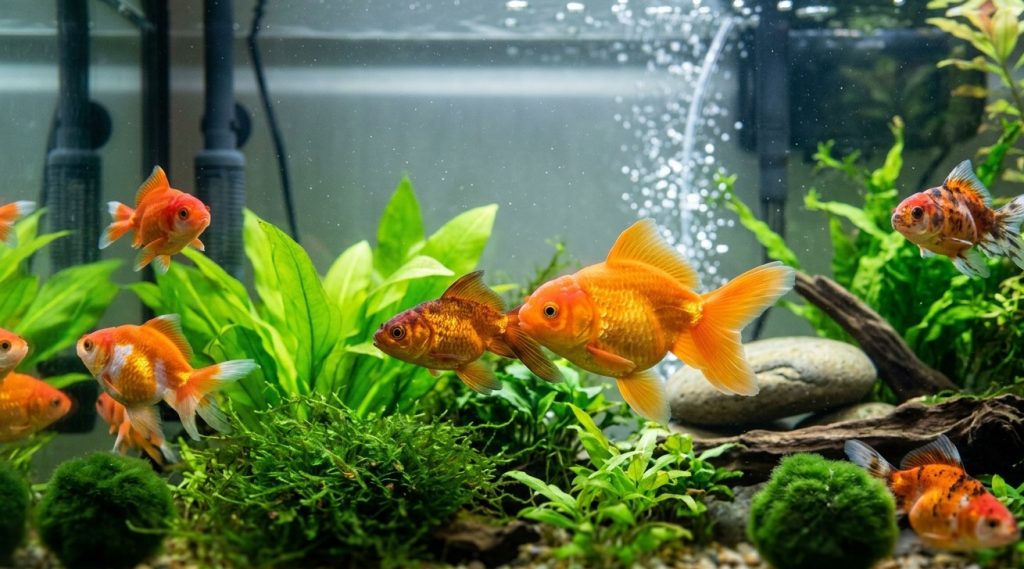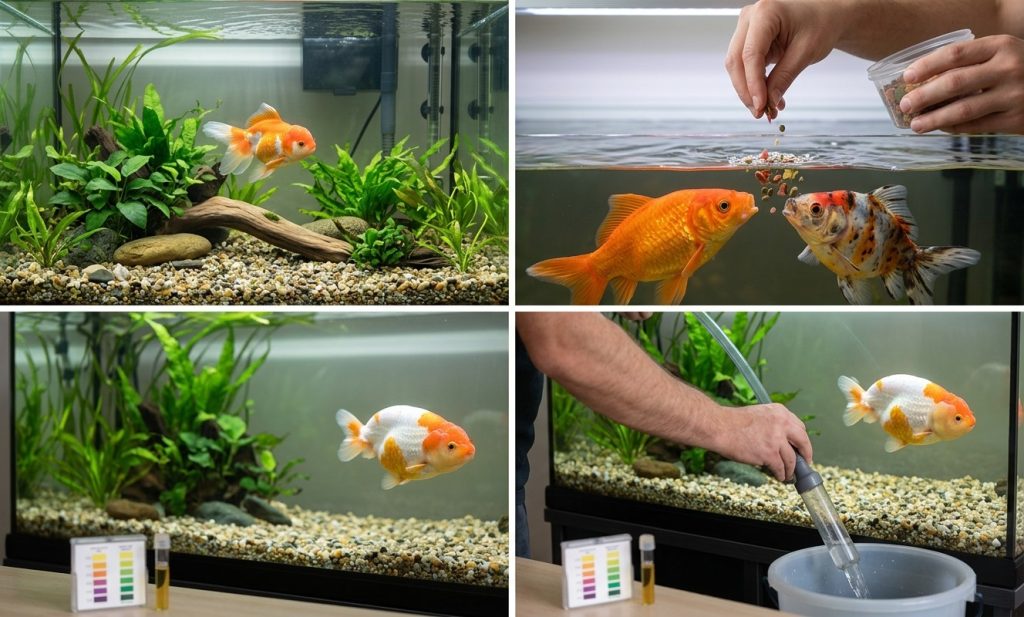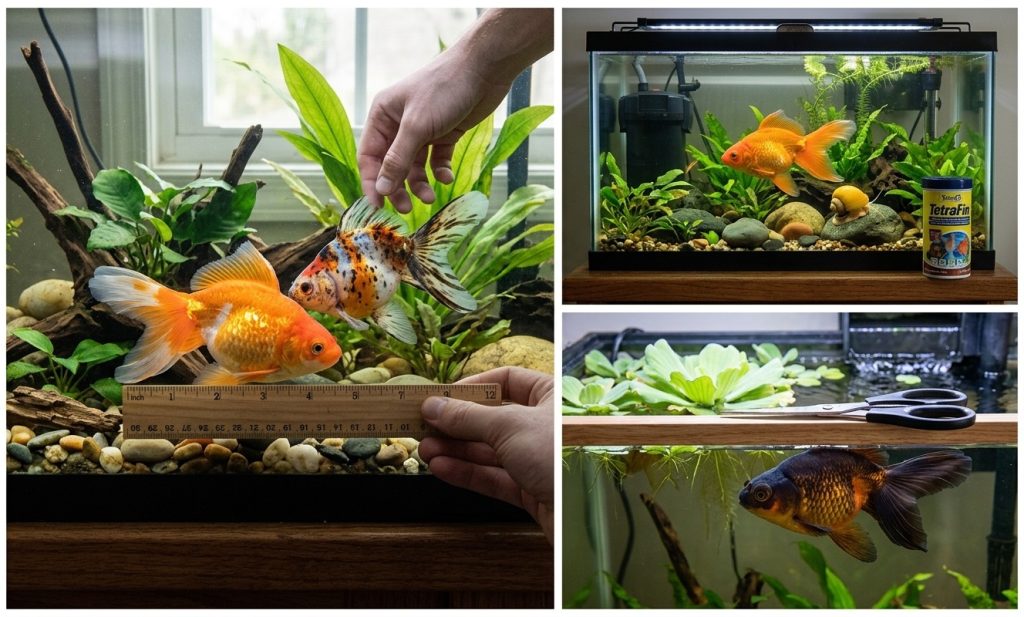
Set up a goldfish bowl safely with proper water, filtration, and regular maintenance.
I have kept and cared for goldfish for years and have guided dozens of new owners on how to set up a goldfish bowl the right way. This guide explains practical steps, equipment choices, water care, common mistakes, and real-world tips so you can create a healthy home for your fish. Read on to learn precise, easy-to-follow instructions on How to Set Up a Goldfish Bowl that keep fish thriving.
Equipment and supplies you need
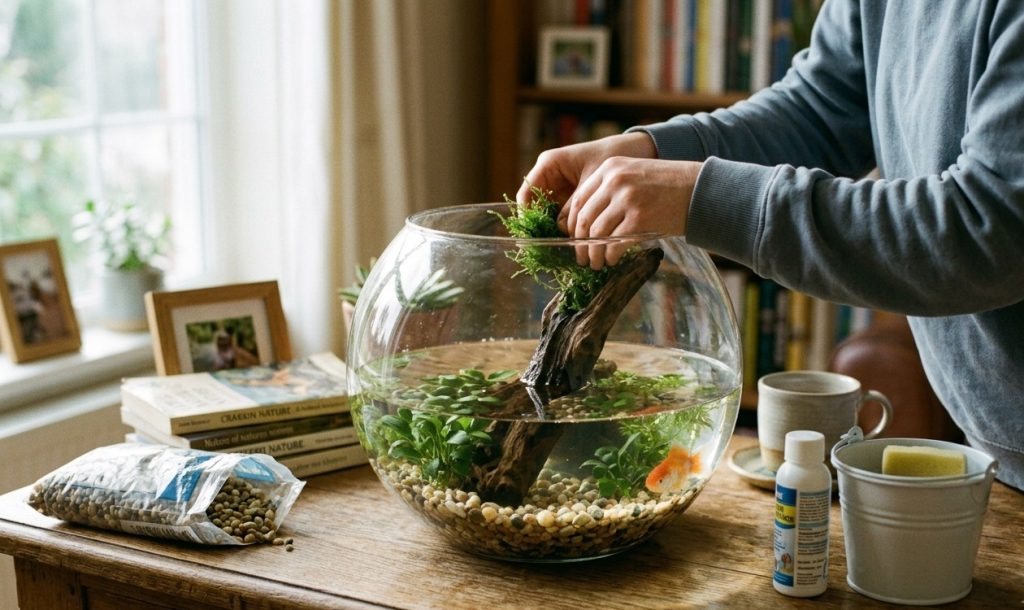
Start with good gear. For a basic goldfish bowl you will need a sturdy glass or acrylic bowl, a reliable small filter, a water test kit, a dechlorinator, and a gentle gravel vacuum. Add a thermometer, an aquarium-safe decoration, and a small net.
Choose tools that match bowl size. A tiny internal filter and a sponge filter work best for bowls because they move water gently. Test kits that measure ammonia, nitrite, nitrate, and pH are key to safe care.
Choosing the right bowl and fish
Bowl size matters. A true goldfish bowl that is smaller than 5 gallons limits oxygen and water stability. Fancy goldfish need at least 10–20 gallons per fish. Single-tailed common goldfish grow larger and need more space.
Pick fish that match the bowl and your care level. A small, young fancy goldfish can temporarily live in a larger bowl or tank, but long-term healthy life needs more water. Avoid overcrowding to lower waste and stress.

Source: aquariumtidings.com
How to Set Up a Goldfish Bowl: Step-by-step
Prepare the bowl. Wash the bowl with warm water only; never use soap or chemicals. Rinse gravel and decorations until water runs clear.
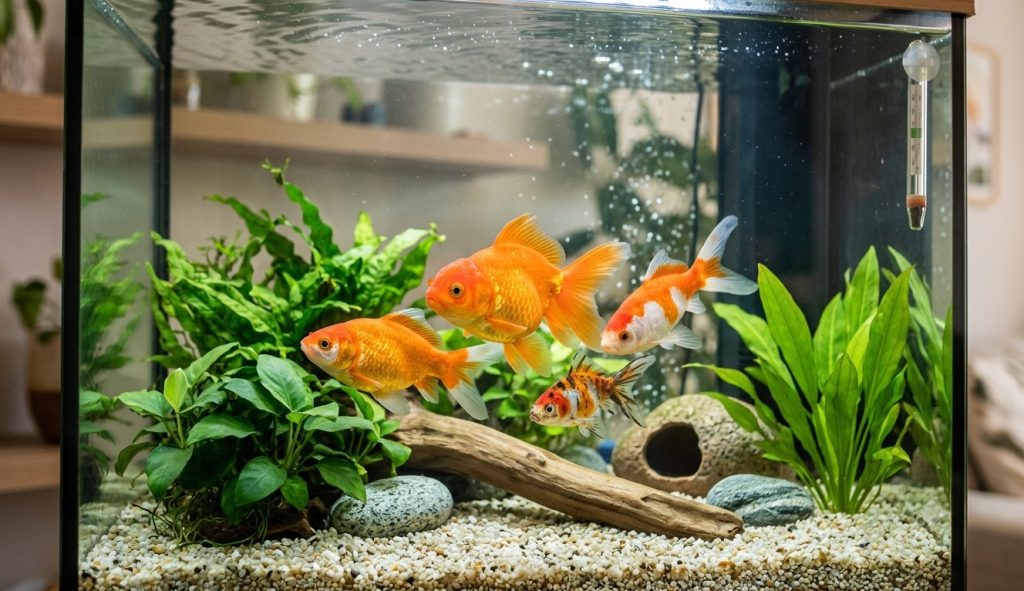
Add substrate and décor. Place a thin layer of smooth gravel. Add one or two aquarium-safe decorations and a hardy live plant like Anubias or Java fern if you want natural filtration.
Fill with conditioned water. Fill the bowl with tap water treated with dechlorinator to remove chlorine and chloramine. Aim for room-temperature water to avoid shocking the fish.
Install filtration and aeration. Place a low-flow filter or sponge filter to help cycle the water. A small air stone can boost oxygen levels in a bowl.
Cycle the bowl before adding fish. Establish beneficial bacteria by cycling with a starter source or by performing a fishless cycle. This step prevents toxic ammonia and nitrite spikes.
Acclimate fish slowly. Float the fish bag in the bowl for 15 minutes, then add small amounts of bowl water to the bag over 20–30 minutes. This reduces shock from water chemistry changes.
Monitor for the first week. Test water daily for ammonia and nitrite. Do small water changes (20–30%) if levels climb. Keep a log of readings and behavior.
 Source: youtube.com
Water quality, cycling, and maintenance
Understand the nitrogen cycle. Fish waste breaks down into ammonia, which bacteria convert to nitrite and then to nitrate. Keep ammonia and nitrite at zero. Nitrate should stay low with regular water changes.
Test and water change routine. Test water twice weekly until stable, then weekly. Replace 20–30% of water with dechlorinated water. Use a siphon to remove waste and uneaten food from gravel.
Control temperature and chemistry. Goldfish prefer 65–75°F. Keep pH stable near neutral (7.0), but avoid rapid swings. Use a thermometer and test kit to track changes.
Filter care and cleaning. Clean filter sponges in old tank water to keep beneficial bacteria. Replace mechanical media per manufacturer rules, not all at once.
Feeding, health, and daily care
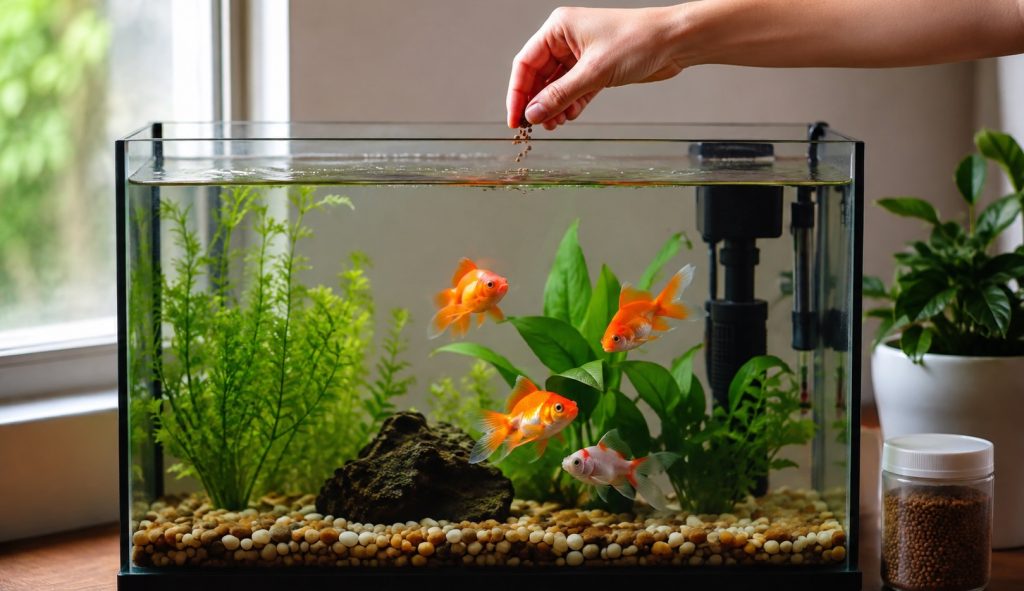
Feed small amounts. Offer a high-quality pellet or flake made for goldfish once or twice daily. Feed only what the fish eats in 2 minutes to avoid waste.
Watch behavior and body signs. Healthy goldfish are active and eat well. Look for gasping, clamped fins, spots, or unusual swimming and act fast if you spot issues.
Routine tasks. Remove uneaten food after feeding. Check water parameters on schedule. Observe fish for illness and separate sick fish if possible.
Common mistakes and troubleshooting
Overcrowding and small bowls. Keeping more than one fish in a small bowl causes ammonia spikes and poor health. Plan for a larger tank for multiple goldfish.
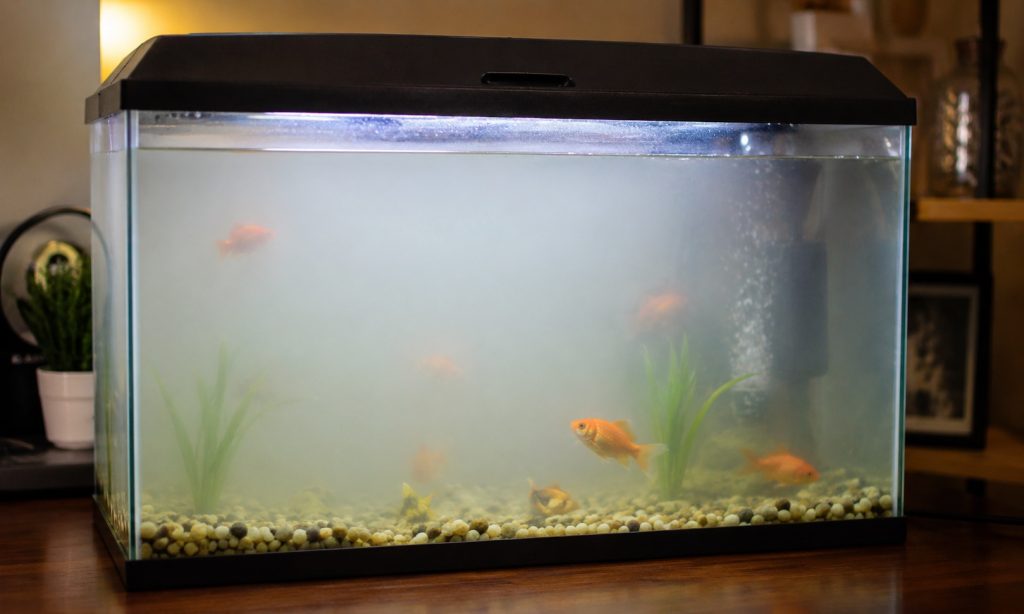
Skipping the cycle. Adding fish to an uncycled bowl often leads to deadly ammonia or nitrite spikes. Always cycle first or use frequent water changes to control toxins.
Using soap and chemicals. Cleaning with soap leaves residues that harm fish. Rinse decorations and bowls with plain water only.
What to do if ammonia rises. Perform partial water changes and test frequently. Add biological booster and reduce feeding until levels drop.

Personal experience and practical tips
From my aquarium work, I learned patience matters most. I once rushed a cycle and lost a small goldfish. Now I always test daily during setup and log results.
A few tips that helped me:
- Use a sponge filter for bowls. It is gentle and keeps bacteria.
- Keep one plant for extra oxygen and to hide stress.
- Trim feeding to reduce waste; fewer feedings often mean healthier water.
These small steps made my fish live longer and look better. Share notes with other owners for new ideas and local water quirks.
Frequently Asked Questions of How to Set Up a Goldfish Bowl
Can goldfish live in a bowl long term?
Goldfish can survive short term in a bowl but do poorly long term. They need more space and stable water to thrive.
What size bowl is okay for a goldfish?
Aim for at least 10 gallons for one small fancy goldfish and 20 gallons for larger or single-tailed types. Bigger is always safer.
Do I need a filter in a goldfish bowl?
Yes, a filter greatly improves water quality and reduces maintenance. A sponge or small internal filter works best for bowls.
How often should I change water in a goldfish bowl?
Change 20–30% of the water weekly for stable bowls. Increase changes if ammonia or nitrite appear.
How do I cycle a goldfish bowl without fish?
Use a fishless cycle with ammonia or a bottled bacteria starter. Test until ammonia and nitrite reach zero and nitrate rises. Then add fish slowly.
Conclusion
Setting up a goldfish bowl the right way protects fish health and makes care simple. Focus on proper bowl size, filtration, cycling, and steady maintenance to avoid common problems. Start slowly, test water often, and choose equipment that supports stable conditions.
Take action today: plan your bowl size, gather the right gear, and begin a careful cycle before bringing fish home. Leave a comment about your setup, subscribe for more care tips, or ask specific questions below.